- the announcement, made on Tuesday, followed appeals from Pakistani mediators
- Trump said US forces would maintain their current posture, including the ongoing naval blockade
- Trump also suggested that internal divisions within Iran’s leadership were slowing down the diplomatic process
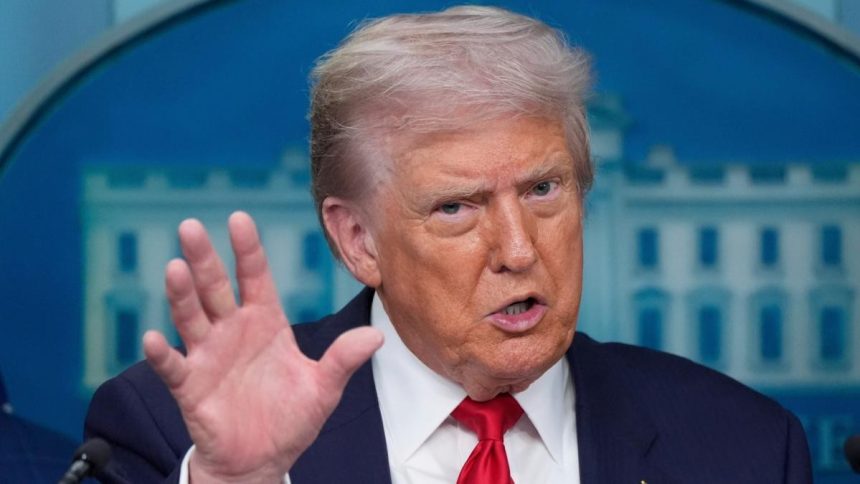
United States President Donald Trump has decided to prolong the ceasefire with Iran, delaying a planned military strike to give Tehran more time to present a proposal aimed at ending the conflict.
Eko Hot Blog gathered that the announcement, made on Tuesday, followed appeals from Pakistani mediators.
EDITOR’S PICK
- Benue Mortician Arrested for Using Corpse Part as Walking Stick
- Baba Yusuf: Bandits May Reach National Assembly
- PDP Asks INEC To Withdraw Recognition Of Anyanwu As National Secretary
The truce had been due to expire on Wednesday, but the extension does not come with a fixed deadline, suggesting it will remain in place until further progress is made in negotiations.
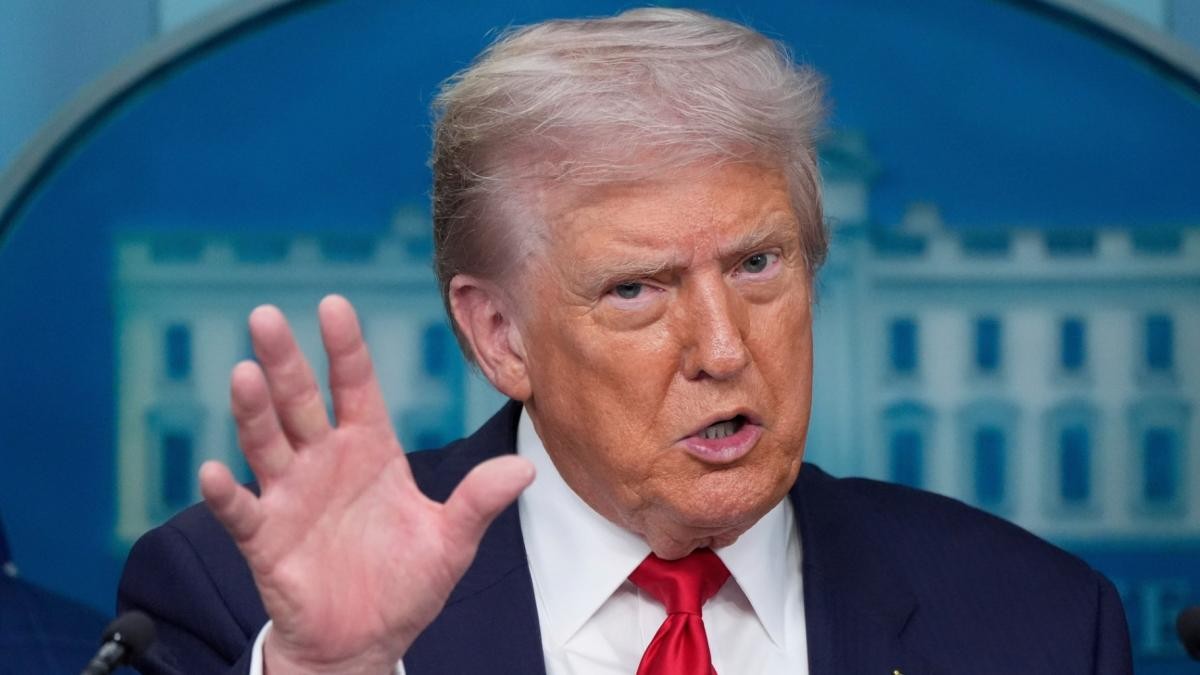
In a statement shared online, Trump said US forces would maintain their current posture, including the ongoing naval blockade, while remaining prepared for action if talks fail.
There was no immediate response from Iranian authorities, although state-linked media indicated that an official position would be communicated later.
The decision marks a shift in tone from earlier remarks by Trump, who had initially opposed extending the ceasefire and warned of imminent military action if Iran did not act quickly.
The reversal comes amid rising tensions over the US naval presence near Iranian ports, which Tehran has strongly criticised. Iran’s Foreign Minister, Abbas Araghchi, described the blockade as an act of aggression and a violation of the truce.
Pakistan welcomed the extension, with Prime Minister Shehbaz Sharif expressing hope that both sides would use the additional time to reach a lasting agreement during planned talks in Islamabad.
Despite the extension, uncertainty remains over whether Iran will participate in further negotiations, given its objections to the ongoing blockade.
Trump also suggested that internal divisions within Iran’s leadership were slowing down the diplomatic process, though analysts have questioned that claim, noting that the country’s leadership appears largely unified.
The conflict, which escalated following joint US and Israeli strikes on Iran earlier this year, has continued to strain relations.
Key issues in the negotiations include Iran’s nuclear programme, its missile capabilities, and its regional alliances.
While Washington is pushing for strict limits on these areas, Tehran has insisted on its right to maintain a civilian nuclear programme and has rejected demands to scale back its military influence or transfer its enriched uranium abroad.
Observers say the extension of the ceasefire may be an attempt to keep diplomatic channels open as both sides struggle to find common ground.
FURTHER READING