- He further noted that the activities of bandits are spreading across more states
- He said such developments highlight weaknesses in the country’s current security response
- Yusuf called for urgent and practical steps to address the situation
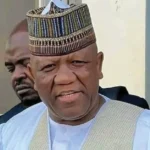
A political strategist, Baba Yusuf, has expressed serious concerns about the worsening security situation in Nigeria, warning that the crisis could escalate to a point where criminal groups begin to influence key state institutions.
Speaking during an interview on Arise News, Eko Hot Blog gathered that the Yusuf described the spread of banditry as alarming, noting that its impact is no longer confined to rural areas but is gradually extending into broader aspects of national life.
EDITOR’S PICK
- Interior Ministry Orders Immediate Deactivation of Passports for Former Citizens
- Iran Sets Conditions as US Warns Ahead of Talks
- 7 Things People Over 50 Should Do Every Morning for Better Health
He explained that in several affected communities, residents have lost confidence in government protection and are increasingly relying on armed groups for security and dispute resolution.
In some cases, he said, locals reportedly make payments to these groups in exchange for safety.

Yusuf warned that this growing dependence on non-state actors could have far-reaching consequences, including the possibility of such groups gaining indirect influence over political structures like the National Assembly.
According to him, this trend reflects a dangerous erosion of trust in government authority.
He further noted that the activities of bandits are spreading across more states, citing increasing incidents in places such as Niger State and Kwara State, alongside persistent violence in Benue State and Plateau State.
According to Yusuf, these groups have become more emboldened, sometimes targeting security personnel, disguising themselves in military uniforms, and even engaging in negotiations without facing significant consequences.
He said such developments highlight weaknesses in the country’s current security response.
He criticised the government’s handling of the crisis, arguing that actions taken so far have been inadequate and often overshadowed by rhetoric rather than decisive measures.
Yusuf called for urgent and practical steps to address the situation before it spirals further out of control.
Describing the situation as a serious threat to national stability, he warned that failure to act decisively could undermine governance and deepen insecurity across the country.
FURTHER READING