- the US deployed more than a dozen warships and around 10,000 troops to enforce a blockade
- China, however, criticized the blockade as reckless, warning it could worsen tensions
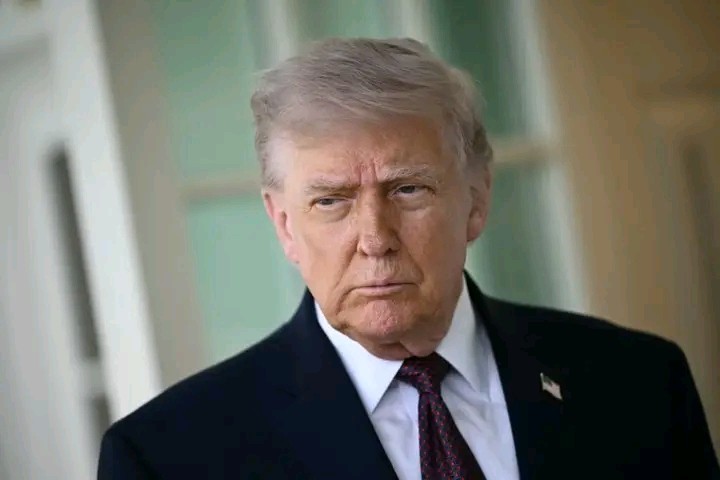
US President Donald Trump has indicated that diplomatic efforts to end the conflict with Iran could restart within days, following the breakdown of talks over the weekend and a subsequent US naval blockade of Iranian ports.
In an interview, Eko Hot Blog reports that Trump suggested that developments might occur soon, hinting that renewed negotiations were likely in the immediate future.
EDITOR’S PICK
- Interior Ministry Orders Immediate Deactivation of Passports for Former Citizens
- Iran Sets Conditions as US Warns Ahead of Talks
- 7 Things People Over 50 Should Do Every Morning for Better Health
Meanwhile, the US military reported that within just 36 hours of launching the operation, it had effectively stopped all maritime trade flowing in and out of Iran.
This escalation has cast uncertainty over a proposed two-week ceasefire set to expire next week. Although Iran has not officially responded to Trump’s comments, António Guterres, Secretary-General of the United Nations, said it was very likely that discussions would resume.
Officials from the Gulf region, Pakistan, and Iran also indicated that delegations from Washington and Tehran might reconvene in Islamabad later this week, though no exact date has been confirmed.
The possibility of renewed diplomacy helped calm global oil markets, with prices dropping below $100 per barrel on Tuesday.
Tensions escalated after Iran effectively closed the Strait of Hormuz, a key route for global oil and gas shipments, following US and Israeli airstrikes on 28 February.
In response, the US deployed more than a dozen warships and around 10,000 troops to enforce a blockade, preventing vessels from accessing Iranian ports.
The strategy aims to pressure Tehran by cutting off critical revenue streams, particularly oil exports and transit fees collected from ships passing through the strait.
According to US Central Command, several commercial vessels have already complied with orders to turn back. Its commander, Admiral Brad Cooper, stated that American forces have established full maritime control in the region and halted nearly all sea-based trade tied to Iran.
Despite the blockade, tracking data shows that a few vessels, some linked to Iran and others not, have still managed to pass through the Strait of Hormuz since the operation began.
Earlier negotiations in Islamabad failed to produce an agreement, largely due to disagreements over Iran’s nuclear programme. The US reportedly proposed a 20-year halt to uranium enrichment, while Iran countered with a shorter, five-year suspension.
US Vice-President JD Vance, who led the talks, expressed cautious optimism, noting that while Iran appears open to a deal, deep mistrust between the two sides remains a major obstacle.
The broader economic implications are also raising concern. The International Monetary Fund warned that continued conflict could push the global economy toward recession.
US Treasury Secretary Scott Bessent argued that limited economic hardship may be justified if it ensures long-term global security.
China, however, criticized the blockade as reckless, warning it could worsen tensions and jeopardize the fragile ceasefire.
FURTHER READING