- Egypt has repeatedly described the project as a direct threat to its national survival, as the country relies on the Nile
- The Nile River, stretching over 6,650 kilometres, is shared by 11 African countries
- Previous mediation efforts involving the United States, the World Bank, Russia and the African Union have failed to break the deadlock
U.S. President Donald Trump has signalled his readiness to revive diplomatic efforts aimed at resolving the long-running dispute between Egypt and Ethiopia over the sharing of Nile River waters, following tensions surrounding Ethiopia’s massive hydroelectric dam project.
Eko Hot Blog reports that Trump made the offer in a letter addressed to Egyptian President Abdel Fattah al-Sisi, which was later shared publicly by the White House.
EDITOR’S PICK
- Dollar to Naira Exchange Rate Tuesday, 13 January 2026
- Lagos Assembly Approves ₦4.44 Trillion Budget for 2026
- NANS Mobilises Nationwide Protest Over Tax Reform Law
In the message, Trump praised Sisi’s leadership and expressed willingness to re-engage the United States as a mediator in talks over Nile water allocation.
“I am prepared to restart U.S. mediation between Egypt and Ethiopia to bring a responsible and lasting solution to the issue of Nile water sharing,” Trump wrote, stressing that no single country should dominate or control the river’s resources to the detriment of others.
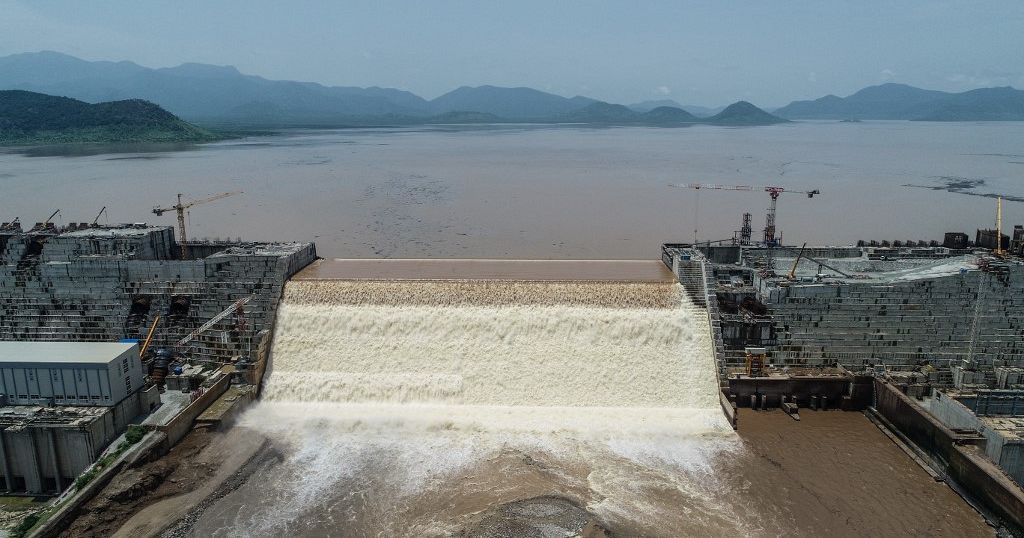
He added that the Grand Ethiopian Renaissance Dam (GERD) would be treated as a top foreign policy priority, noting that a balanced agreement should guarantee reliable water access for Egypt and Sudan while allowing Ethiopia to benefit from electricity generation through sales or regional cooperation.
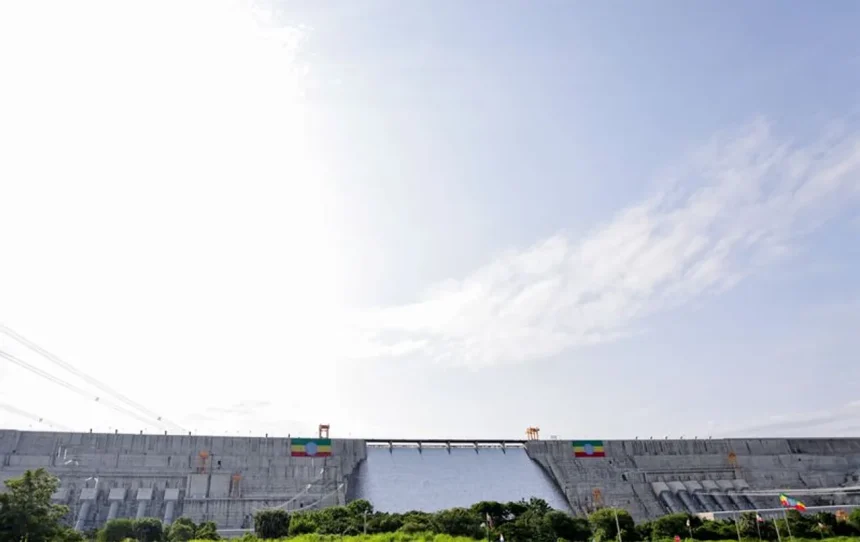
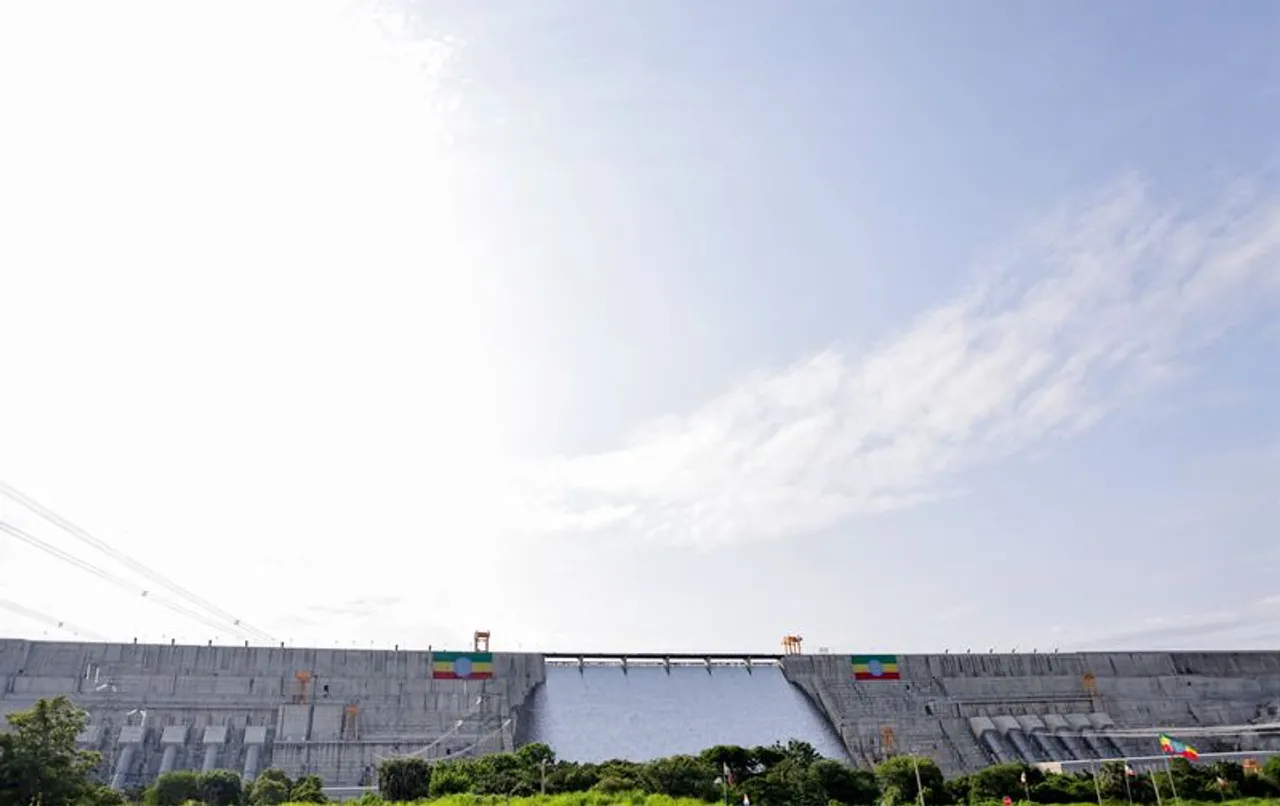
The GERD, Africa’s largest hydroelectric facility, was officially inaugurated by Ethiopian Prime Minister Abiy Ahmed in September 2025. Built at an estimated cost of $4 billion, the dam is expected to more than double Ethiopia’s electricity output and support its industrial growth ambitions.
However, Egypt has repeatedly described the project as a direct threat to its national survival, as the country relies on the Nile for about 97 per cent of its freshwater needs. Sudan has also raised concerns over the dam’s operational safety and water flow management.
Previous mediation efforts involving the United States, the World Bank, Russia and the African Union have failed to break the deadlock, with Ethiopia viewing the dam as a symbol of national pride and economic independence.
Trump’s renewed comments recall controversy from his first term, when he suggested Egypt might resort to military action if negotiations collapsed remarks that drew sharp reactions from both Cairo and Addis Ababa and prompted diplomatic protests.
The Nile River, stretching over 6,650 kilometres, is shared by 11 African countries. While upstream nations enjoy higher rainfall, downstream states such as Egypt and Sudan face growing water stress, worsened by climate change and population growth.
Ethiopia, for its part, continues to argue that the dam is essential for energy security and development, insisting it will not significantly harm downstream water flows if managed cooperatively.
FURTHER READING