In this article:
- Tunji Alausa pushes polytechnics to award bachelor’s degrees.
- Federal universities to get improved lecturer salaries and allowances.
- Ministry focuses on accountability and modernizing schools with tech

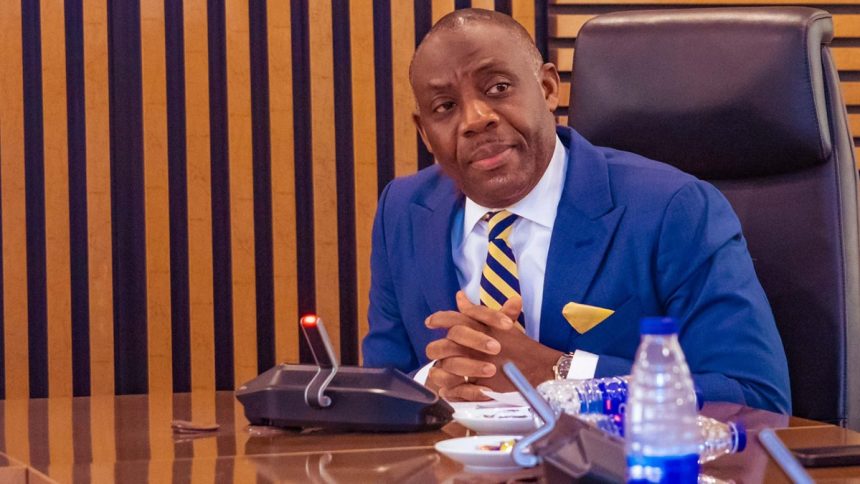
Education Minister Dr. Tunji Alausa has unveiled new initiatives aimed at transforming Nigeria’s polytechnic and tertiary education system.
EkoHotBlog reports that the reforms, announced during a recent meeting with polytechnic leaders, are part of the federal government’s push to close the skills gap and prepare graduates for the modern job market.
At the centre of the reforms is a plan to allow polytechnics to award bachelor’s degrees.
The move seeks to eliminate the long-standing divide between polytechnic HND holders and university graduates, giving technical education the recognition it has long deserved.
“Our goal is to strengthen technical skills and ensure graduates are ready for industry demands,” Alausa said.
In addition, the ministry is rolling out new funding initiatives and welfare packages for lecturers in federal universities.
Following negotiations with the Academic Staff Union of Universities (ASUU), the government has approved tax-free allowances and improved salaries, a move aimed at motivating educators and reducing industrial actions.
Alausa also stressed accountability in tertiary institutions, warning that financial mismanagement and unethical practices will no longer be tolerated.
He highlighted plans for stronger oversight mechanisms and better governance structures to ensure transparency across schools.
Alongside these reforms, the Ministry of Education is investing in technology and infrastructure.
Security upgrades in schools and online learning tools are part of efforts to modernize education at every level.
Nearly 37 polytechnics are set to receive modern industry-grade equipment under the Skills‑G programme, ensuring students are trained with practical, hands-on experience.
Experts say these steps mark a significant shift in Nigeria’s education policy.
By elevating polytechnic education, improving teacher welfare, and enforcing accountability, the ministry aims to produce a workforce that meets both national and global standards.
Dr. Alausa’s initiatives underline the federal government’s commitment to human capital development, with a clear focus on skills, equity, and modernization, signaling a new era for Nigeria’s tertiary education sector.
FURTHER READING
- EbonyLife Cinemas CEO Dismisses Allegations of Unfair Film Scheduling
- Augustine University Admits 400 Fresh Students at Historic 11th Matriculation Ceremony