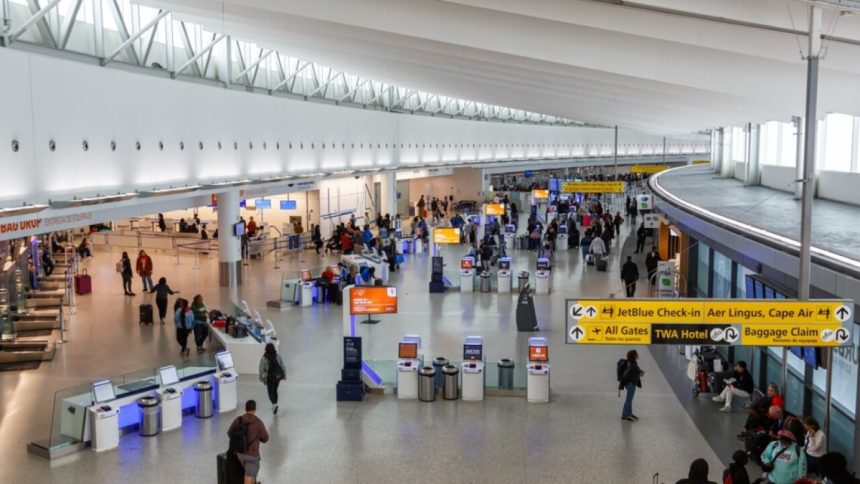
- Major United States airports, including New York’s JFK, have launched public health entry screenings targeting inbound passengers who have visited Ebola-affected central African nations within the last 21 days.
- The Centers for Disease Control and Prevention (CDC) has mandated that all flights carrying passengers from these designated hotspots be rerouted to four select American airports equipped for medical inspection.
- World Health Organization (WHO) Director-General Tedros Adhanom Ghebreyesus has publicly opposed the implementation of international travel bans, arguing against restrictive blockades during the deadly outbreak.
In response to a deadly Ebola outbreak primarily centered in the Ituri province of the Democratic Republic of Congo, United States health authorities have escalated border biosecurity measures.
Eko Hot Blog reports that New York’s John F. Kennedy (JFK) International Airport has officially joined three other major domestic transit hubs, Washington-Dulles International, Hartsfield-Jackson Atlanta International, and Houston’s George Bush Intercontinental Airport, in conducting compulsory “public health entry screenings”.
EDITOR’S PICK
- Fresh Details Emerge on Death of Odomola Monarch, Oba Adebowale Adeshina
- Sanwo-Olu Applauds LASU’s Academic Excellence After JAMB Ranking
- NRC Moves 176,820 Tonnes Of Cargo Through Lagos Ports In Q1
Managed under directives from the Centers for Disease Control and Prevention (CDC), these rigorous health checks specifically target travelers who have been physically present in the Democratic Republic of Congo, Uganda, or South Sudan within a 21-day window.
To ensure compliance, the CDC has ordered airline networks to reroute all incoming flights containing passengers from these specific central African territories exclusively through these four designated medical screening gateways.
Simultaneously, the US Department of Homeland Security (DHS) has tightened entry permissions, stating that only American citizens and nationals arriving from these high-risk regions are currently permitted to cross into United States borders.
The CDC is invoking specialized public health statutes to enforce a temporary entry ban on non-citizens coming from the affected zones.
The escalation comes amidst growing international scrutiny regarding the speed and nature of Western responses to the outbreak, highlighted by a Kenyan court’s decision to suspend a planned United States quarantine facility designed for American citizens.
Meanwhile, emergency distribution networks remain highly active, with the United Nations recently airlifting World Health Organization (WHO) emergency medical supplies out of Nairobi, Kenya, directly into the Congolese conflict and disease zones to curb the rapid viral spread.
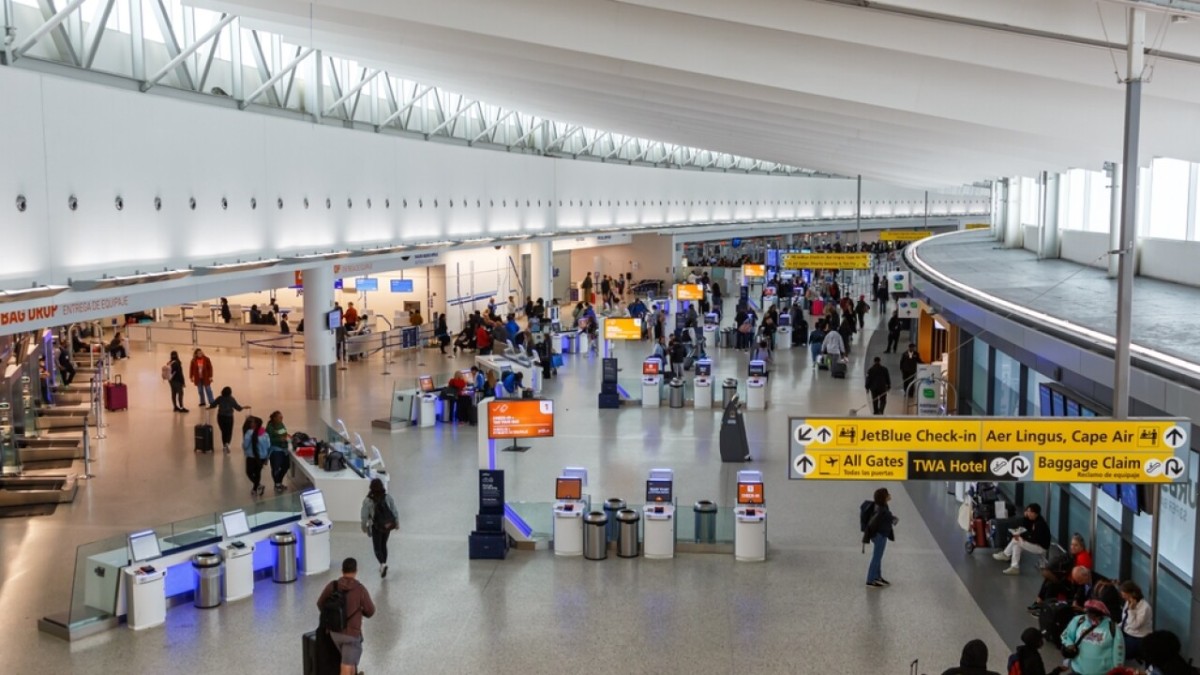
Despite the rigid border protocols being deployed by Western nations, international health leadership has warned against excessive containment strategies.
Speaking from the N’djili International Airport in Kinshasa, Congo, the Director-General of the World Health Organisation (WHO), Tedros Adhanom Ghebreyesus, voiced strong opposition to the blanket implementation of international travel bans.
The WHO leadership maintains that shutting down transport corridors can severely hinder the deployment of essential humanitarian personnel and medical countermeasures, emphasizing instead the need for localized surveillance, global resource mobilization, and targeted screening protocols at exit and entry points rather than economic and geographic isolation.