- Both the United States and Iran have issued stern warnings of a return to full-scale hostilities as a two-week ceasefire expires tonight, Tuesday, April 21, 2026.
- President Donald Trump announced that US Vice President JD Vance is prepared for talks in Islamabad, but Tehran has accused the US of violating the truce via a naval blockade, casting doubt on their participation.
- Iran’s Revolutionary Guards have threatened to close the Strait of Hormuz, a critical artery for 20% of global oil, while Trump insists the US blockade will remain until a “deal” on Iran’s nuclear program is reached.
The Middle East is standing on a knife-edge as the United States and Iran trade threats of renewed warfare ahead of the expiration of a critical ceasefire.
Eko Hot Blog reports that while the White House is pushing for a second round of talks in Pakistan to end the conflict that began on February 28, Tehran has accused President Donald Trump of using “negotiations under the shadow of threats” to force a surrender.
EDITOR’S PICKS
- JAMB Delists 23 CBT Centres, Warns 89 After Mock UTME Review
- NASA Astronauts Return to Earth After First Human Trip to the Moon in 50 Years
- INEC Shifts Nationwide Voter Revalidation Until After 2027 General Election
Iranian Parliament Speaker Mohammad Bagher Ghalibaf stated that Iran has spent the last two weeks preparing to “show new cards on the battlefield.”
This comes as the US maintains a strict blockade on Iranian ports, which Tehran views as a violation of the existing truce.
In retaliation, the Revolutionary Guards have warned that any vessel attempting to transit the Strait of Hormuz without permission will be targeted.
A major sticking point remains Iran’s enriched uranium stockpile.
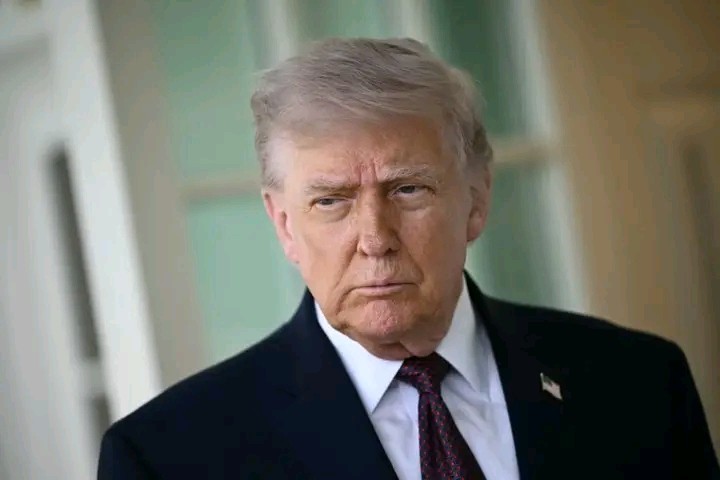
President Trump, referring to it as “nuclear dust,” stated that removing the materials would be a “long and difficult process” following US strikes on Iranian sites last year, an operation he dubbed “Midnight Hammer.” Iran’s foreign ministry has countered by stating they never agreed to transfer the stockpile.
As oil markets fluctuate in response to the tension, residents in Tehran describe a “horrible economy” squeezed by the war and international sanctions.
While a separate Israel-Lebanon ceasefire remains in place, sporadic violence continues to threaten the stability of the wider region.