- the WHO expressed hope that the United States would reconsider
- They also stated that future efforts to combat diseases such as polio and HIV would be channelled through non-governmental
- Public health experts have warned that the decision could have long-term consequences for global disease control
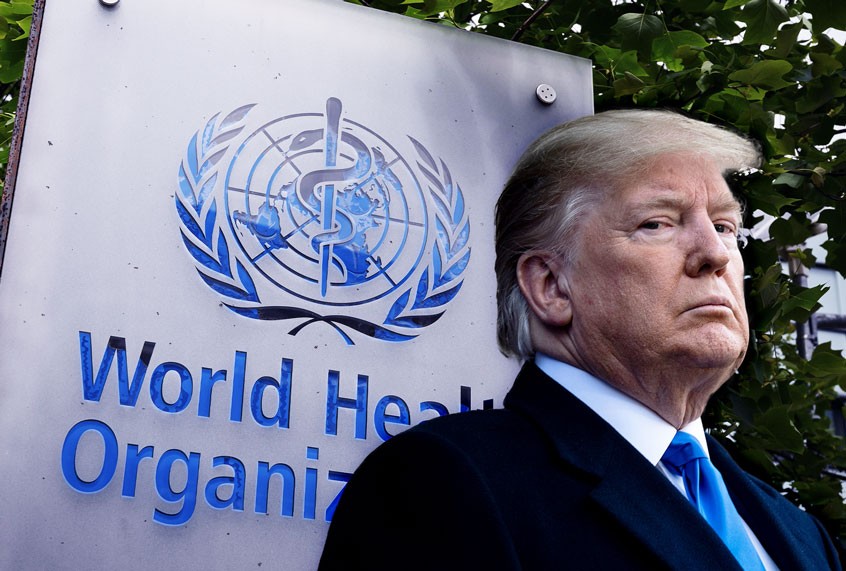
The United States has formally exited the World Health Organization (WHO), a move that strips the global health body of one of its largest financial contributors and marks a major shift in Washington’s international health engagement.
Eko Hot Blog reports that the withdrawal followed an executive order signed by US President Donald Trump about a year ago, citing dissatisfaction with the WHO’s handling of the COVID-19 pandemic and what the administration described as excessive influence from China within the organization.
EDITOR’S PICK
- Akande at 87: Adewole Hails Elder Statesman
- Lagos Assembly Approves ₦4.44 Trillion Budget for 2026
- NANS Mobilises Nationwide Protest Over Tax Reform Law
The US Department of Health and Human Services said the decision was based on alleged failures by the WHO to properly manage the pandemic, its resistance to internal reforms, and political interference by member states. The agency maintained that continued participation no longer aligned with American interests.
However, the WHO has firmly rejected the accusations. Its Director-General, Dr Tedros Adhanom Ghebreyesus, described the US exit as a setback not only for global health efforts but also for the United States itself.
The organisation highlighted its long-standing work in combating polio, HIV/AIDS, maternal mortality, and tobacco-related diseases, stressing that these initiatives have benefited millions worldwide, including Americans.
Following the COVID-19 crisis, WHO member states negotiated a global pandemic preparedness treaty aimed at improving early warning systems, emergency response, and equitable access to vaccines and treatments. The agreement was finalised in April last year, with the United States standing as the only member state that did not sign on.
Historically, the US has been among the WHO’s top donors, but it failed to settle its financial contributions for 2024 and 2025, a shortfall that has already triggered significant job losses within the organisation. While WHO legal advisers argue that Washington remains obligated to pay arrears estimated at $260 million, the US government has dismissed the claim.
US authorities confirmed that all government funding to the WHO has been terminated, American staff and contractors have been withdrawn from WHO offices worldwide, and hundreds of collaborative engagements have been suspended.
In a joint statement, US Health Secretary Robert F. Kennedy Jr. and Secretary of State Marco Rubio accused the WHO of abandoning its founding mission and acting against US interests, adding that future engagement would be limited strictly to managing the withdrawal process and protecting domestic public health.
The US government said it plans to pursue bilateral health arrangements with other countries to support disease surveillance and pathogen sharing, though officials declined to provide details on any existing partnerships.
They also stated that future efforts to combat diseases such as polio and HIV would be channelled through non-governmental and faith-based organisations.
Meanwhile, uncertainty remains over whether the US will continue participating in the global influenza surveillance system that supports the development of annual flu vaccines.
In response to the withdrawal order signed at the start of Trump’s second term, the WHO expressed hope that the United States would reconsider, noting that decades of cooperation between both parties have saved countless lives worldwide.
On Friday, the WHO confirmed that the US withdrawal would be discussed at its executive board meeting scheduled for February 2 to 7, with the organisation pledging to act in line with guidance from its governing bodies.
Public health experts have warned that the decision could have long-term consequences for global disease control. Several studies reviewing pandemic responses criticised the US and other developed nations for delayed lockdowns and inconsistent adherence to public health guidance.
Analysts have also linked the United States’ high COVID-19 death toll to fragmented policy responses and political divisions over measures such as mask mandates and social distancing. Previous academic reviews described the federal response during the pandemic as slow, disjointed, and heavily politicised.
FURTHER READING