- Maduro faces multiple charges, including narco-terrorism and conspiracy to traffic large quantities of cocaine, as well as allegations involving firearms
- The former president has repeatedly denied the accusations, describing them as politically motivated and linked to foreign interest
- His wife, Cilia Flores, who was arraigned alongside him, also rejected the charges
Former Venezuelan leader Nicolás Maduro has formally denied all criminal allegations levelled against him in the United States, entering a not-guilty plea on Monday as he appeared before a federal court in New York following his dramatic arrest.
Maduro, speaking through an interpreter during the brief court session, insisted on his innocence and maintained that he remains Venezuela’s legitimate president, Eko Hot Blog reports.
EDITOR’S PICK
- DDG Says Streaming Pays More Than Music
- NRC Records Massive Passenger Turnout as 50 Percent Festive Fare Discount Ends
- SERAP Urges Tinubu to Probe Alleged ₦128bn Power Funds
His wife, Cilia Flores, who was arraigned alongside him, also rejected the charges. The presiding judge, Alvin Hellerstein, scheduled the next hearing for March 17, setting the stage for what is expected to be a prolonged legal battle.
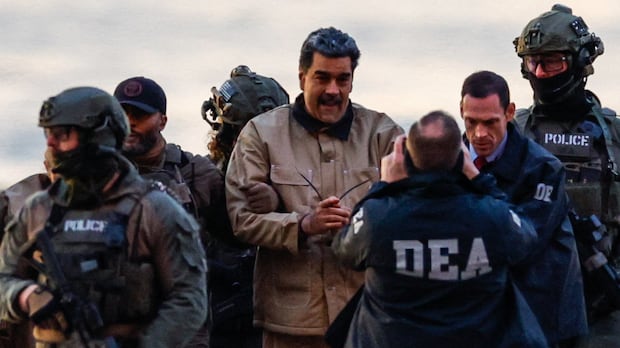
Outside the Manhattan courthouse, the proceedings drew attention from demonstrators, with supporters and critics of Maduro staging rival protests during the short hearing.
Meanwhile in Caracas, political power shifted swiftly as Vice President Delcy Rodríguez was sworn in as interim president. While she voiced loyalty to Maduro, her address stopped short of announcing any immediate legal or diplomatic pushback against Washington’s actions.
Reports emerging from U.S. intelligence circles suggest Rodríguez is viewed as the most viable figure to maintain stability in Maduro’s absence, with analysts reportedly concluding that opposition figures would struggle to command nationwide legitimacy at this stage.
Despite long-standing hopes among anti-Maduro activists that his arrest would open the door to political change, the U.S. administration appears, for now, to be bypassing the traditional opposition and engaging cautiously with existing power brokers in Caracas.
Within Venezuela, senior officials from the long-ruling administration remain at their posts, sending mixed signals that range from outright condemnation of U.S. intervention to hints of possible cooperation under new terms.
Rodríguez’s political influence was further reinforced as her brother, Jorge Rodríguez, was re-elected president of the pro-government National Assembly. He vowed to explore all political and legal avenues to secure Maduro’s return.
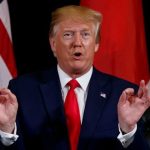
U.S. President Donald Trump, addressing the situation in a media interview, insisted that Washington’s actions were not aimed at Venezuela as a nation but at individuals accused of international drug trafficking. He also dismissed the possibility of quick elections, arguing that structural problems must first be addressed.
Maduro faces multiple charges, including narco-terrorism and conspiracy to traffic large quantities of cocaine, as well as allegations involving firearms and prohibited weapons. U.S. prosecutors allege that the activities span decades, dating back to his early political career.
The former president has repeatedly denied the accusations, describing them as politically motivated and linked to foreign interest in Venezuela’s vast oil resources. The arrest has already sparked renewed debate over control of those resources, with global energy markets closely watching developments.
International reaction has been swift and divided. While some governments expressed concern over drug trafficking allegations, others, including Russia and China, condemned the operation, raising questions at the United Nations Security Council about sovereignty, legality, and regional stability.
As Maduro remains in U.S. custody awaiting further hearings, the unfolding case continues to reverberate across diplomatic, political, and economic spheres, marking one of the most consequential confrontations between Washington and Caracas in decades.
FURTHER READING