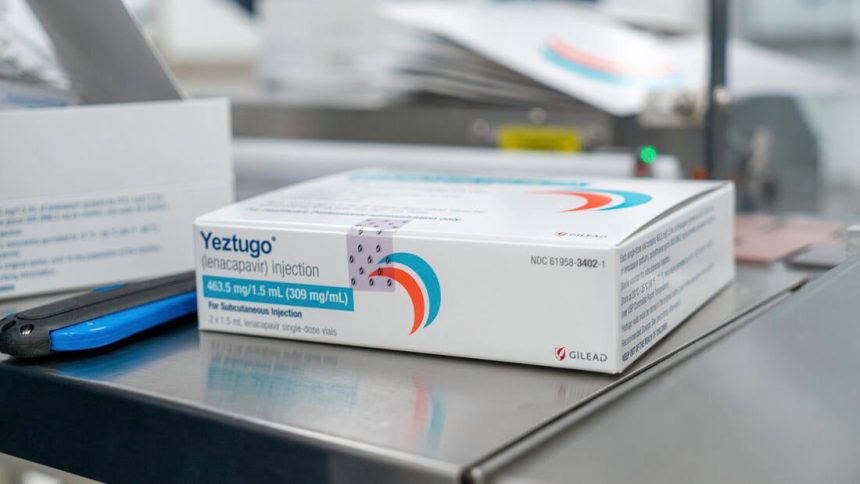
A new drug called lenacapavir is being hailed as a game-changer in the fight against HIV and Aids.
Unlike current preventative drugs that require daily pills, lenacapavir is injected just twice a year and provides six months of protection at a time. Scientists say it works by stopping the virus from replicating inside cells, offering a powerful shield against infection.
EDITOR’S PICKS
The drug has already been approved by both the US Food and Drug Administration (FDA) and the European Commission, while the World Health Organization (WHO) recently issued new guidelines recommending its use as part of global HIV prevention strategies.
Why it matters
Joint United Nations Programme on HIV/AIDS (UNAIDS) and Nigeria’s National Agency for the Control of AIDS (NACA) estimate that there are 1.9 million people living with HIV in Nigeria. Moreover, HIV prevention has long been hindered by access, cost, and stigma. Pre-exposure prophylaxis (PrEP) pills—taken daily to prevent infection—cost about $40 per year but require strict adherence. Many people at higher risk, such as young women, sex workers, LGBT people, and people who use drugs, struggle to take them consistently or face stigma for doing so.
According to the Gates Foundation, only 18% of those who could benefit from PrEP currently have access.
By contrast, lenacapavir offers a discreet, long-acting option. With two injections a year, it reduces the burden of frequent clinic visits and daily pill-taking. Experts believe this could transform prevention, especially for underserved populations.
From $28,000 to $40: A price revolution
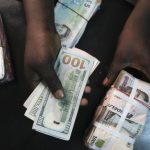
When first announced, lenacapavir carried a staggering $28,000 annual price tag in the United States (US), far out of reach for most of the world.
But a new agreement, brokered by the Clinton Health Access Initiative, the Gates Foundation, and South Africa’s Wits Reproductive Health and HIV Institute (Wits RHI), will make a generic version available in 120 low- and middle-income countries, including Nigeria, by 2027 for just $40 per person annually, around 0.1% of the original cost.
Professor Saiqa Mullick of Wits RHI told the BBC the drug has “the potential to transform prevention, especially for young people and underserved communities,” but added that governments and communities must prepare health systems to ensure rapid introduction and scale-up.
What the WHO says
At the 13th International AIDS Society Conference in Kigali, Rwanda, in July, WHO described lenacapavir as a landmark addition to prevention tools.
“While an HIV vaccine remains elusive, lenacapavir is the next best thing,” WHO Director-General Dr Tedros Adhanom Ghebreyesus said, noting that trials showed it could prevent almost all infections among those at risk.
WHO also simplified HIV testing rules to support rollout, allowing the use of rapid tests rather than complex lab procedures. This change is expected to ease access, enabling long-acting injectables like lenacapavir to be delivered through pharmacies, clinics, and even tele-health services.
The bigger picture
Globally, more than 40 million people live with HIV. Despite progress since 2000, 1.3 million new infections and over 600,000 Aids-related deaths were recorded in 2024. Experts warn that prevention efforts are stagnating, with only 18% of people who could benefit from PrEP currently accessing it.
Studies suggest that expanding access to lenacapavir—even to just 4% of the population—could cut new HIV infections by as much as 20%.
What’s next?
The generic version of lenacapavir is still awaiting regulatory approval but could be available within 18 months. Governments, donors, and global health partners are being urged to integrate the drug into national HIV programmes without delay.
FURTHER READING
For now, lenacapavir represents the most promising advance in HIV prevention in decades, offering the possibility of cheaper, easier, and more effective protection for millions in Nigeria and worldwide.
Philip Ibitoye is a Special Correspondent with EKO HOT BLOG. Click here to find daily analysis and critical insight on trending issues in Lagos and other parts of Nigeria.
Click here to watch the video of the week below: