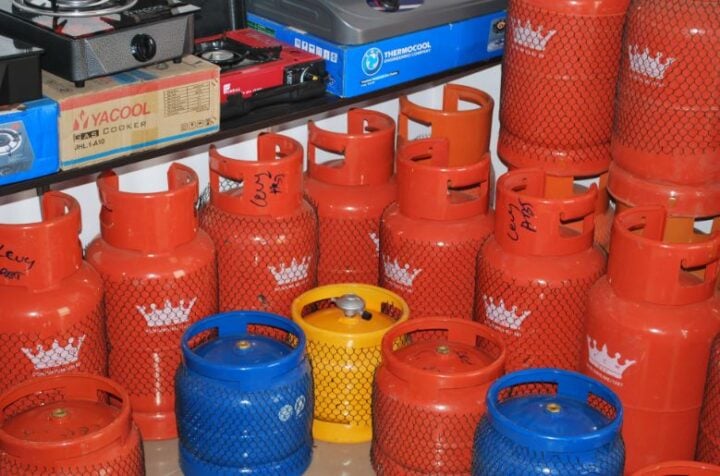
- Why Cooking Gas Prices Are Rising and May Not Drop Anytime Soon
- Export dominance leaves insufficient supply for local consumers.
- Experts warn prices may continue rising without urgent intervention
Despite Nigeria’s vast gas reserves and rising domestic production, cooking gas is likely to remain scarce and expensive in the coming months due to persistent infrastructure deficits, export-driven supply policies, insecurity, inadequate storage facilities and foreign exchange challenges, industry stakeholders have warned.
EDITOR’S PICKS
- Panic as Flood Sweeps Man Away After Heavy Rainfall in Delta
- Boko Haram Releases 416 Abducted Women, Children In Borno
- MTN Boss Rejects Claims of Expensive Data in Nigeria
EKO HOT BLOG reports that experts say the combination of rising demand and structural bottlenecks has created a supply gap that local production alone cannot immediately close, leaving households and businesses to contend with increasing prices and recurring shortages.
Data from the Nigerian Upstream Petroleum Regulatory Commission (NUPRC) showed that 62 per cent of Nigeria’s gas output in the first two months of 2026 was exported, leaving only 38 per cent for domestic consumption.
Industry experts argue that the long-standing focus on exports is no longer sustainable as domestic demand for cooking gas continues to rise rapidly.
According to the latest Nigeria LPG Production & Supply Matrix (2023–2026) report, national cooking gas consumption increased by 20 per cent to 1.8 million metric tonnes in 2026, up from 1.5 million metric tonnes in 2023. However, supply has lagged behind, reaching only between 1.55 million and 1.65 million metric tonnes this year.
The report noted that domestic production has improved significantly, driven by contributions from local gas processing plants and the Dangote Refinery. Despite this progress, supply has failed to keep pace with growing demand.
As a result, retail prices have surged across the country, with consumers now paying between ₦1,700 and ₦2,000 per kilogramme, compared to an average of ₦1,100 earlier in the year.
Stakeholders identified several factors behind the shortage, including inadequate gas infrastructure, export preference by producers, insecurity, pipeline vandalism, limited storage capacity, foreign exchange volatility and regulatory challenges.
The Nigerian Association of Liquefied Petroleum Gas Marketers warned that the situation is causing hardship for millions of households and small businesses that depend on cooking gas daily.
The association noted that rising prices are forcing many families to return to the use of firewood and charcoal, reversing gains made in promoting clean energy across the country.
Industry leaders have urged the Federal Government and key players in the gas value chain to take urgent action to boost domestic supply, improve infrastructure and stabilise prices.
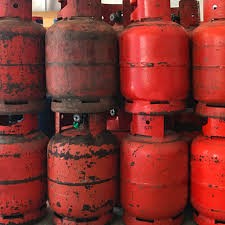
Analysts warned that unless Nigeria expands its gas processing facilities, storage capacity and domestic supply incentives, the country could continue facing cooking gas shortages despite its vast gas reserves.