- He explained that the development is helping Nigeria reduce its dependence on imported energy products
- Banga also warned that instability in the Middle East continues to pose serious risks to the global economy
- He advised countries to avoid broad fuel subsidy programmes that are not financially sustainable
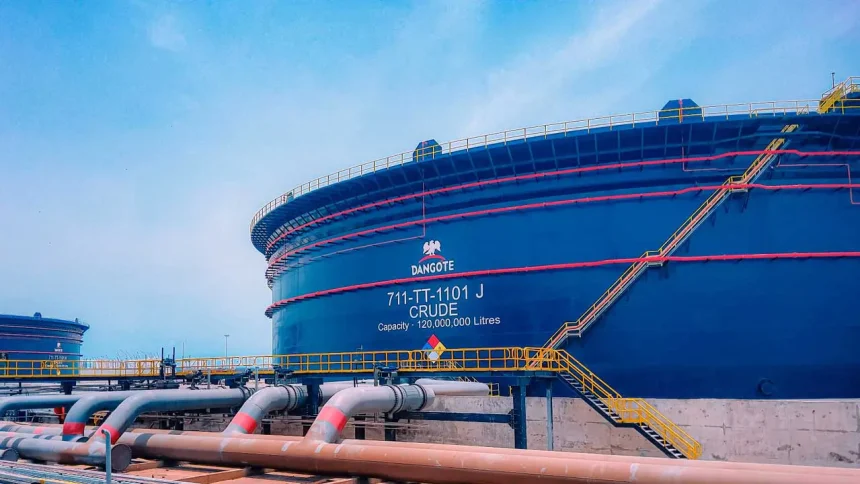
World Bank has praised the management of the Dangote Group for its strategic decision to invest in a 650000 barrels per day refinery, saying the project has strengthened Nigeria’s energy security at a time of global supply disruptions linked to tensions in the Middle East.
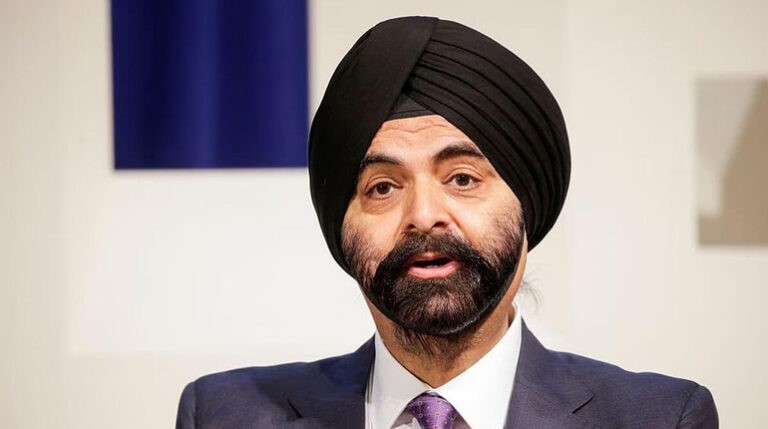
Speaking in an interview with Reuters on Friday, Eko Hot Blog gathered that World Bank President Ajay Banga said Nigeria is already seeing clear benefits from the large scale investment, which has increased local fuel production and also enabled the export of aviation fuel to nearby countries.
EDITOR’S PICK
- Interior Ministry Orders Immediate Deactivation of Passports for Former Citizens
- Iran Sets Conditions as US Warns Ahead of Talks
- 7 Things People Over 50 Should Do Every Morning for Better Health
He explained that the development is helping Nigeria reduce its dependence on imported energy products and positioning the country as a more self sufficient player in the regional energy market.
Banga also warned that instability in the Middle East continues to pose serious risks to the global economy, even if temporary ceasefire efforts appear to hold. He said any breakdown in peace negotiations could further disrupt energy supplies and place additional pressure on global markets.
According to him, the conflict has already pushed oil prices higher and affected the supply of key commodities including gas, fertiliser and other energy related products, with wider effects on transport and tourism sectors around the world.
He projected that global economic growth could slow depending on how long the crisis continues, while inflation in developing countries could rise significantly under more severe conditions.
The World Bank chief also raised concerns about rising debt levels in many developing economies, noting that limited fiscal space and high borrowing costs could make it difficult for governments to respond effectively to increasing energy prices.
He advised countries to avoid broad fuel subsidy programmes that are not financially sustainable, urging instead more targeted support measures that protect vulnerable groups without creating long term fiscal pressure.
Banga stressed the need for countries to strengthen energy diversification and invest in self reliance, saying the current global situation highlights the importance of resilient energy systems.
He added that the World Bank is already working with vulnerable nations, including small island states, to provide access to emergency financing tools designed to address global shocks.
The bank recently expanded its crisis response framework to allow quicker access to approved funds for energy and development needs, as part of efforts to help countries manage rising global uncertainties.
FURTHER READING