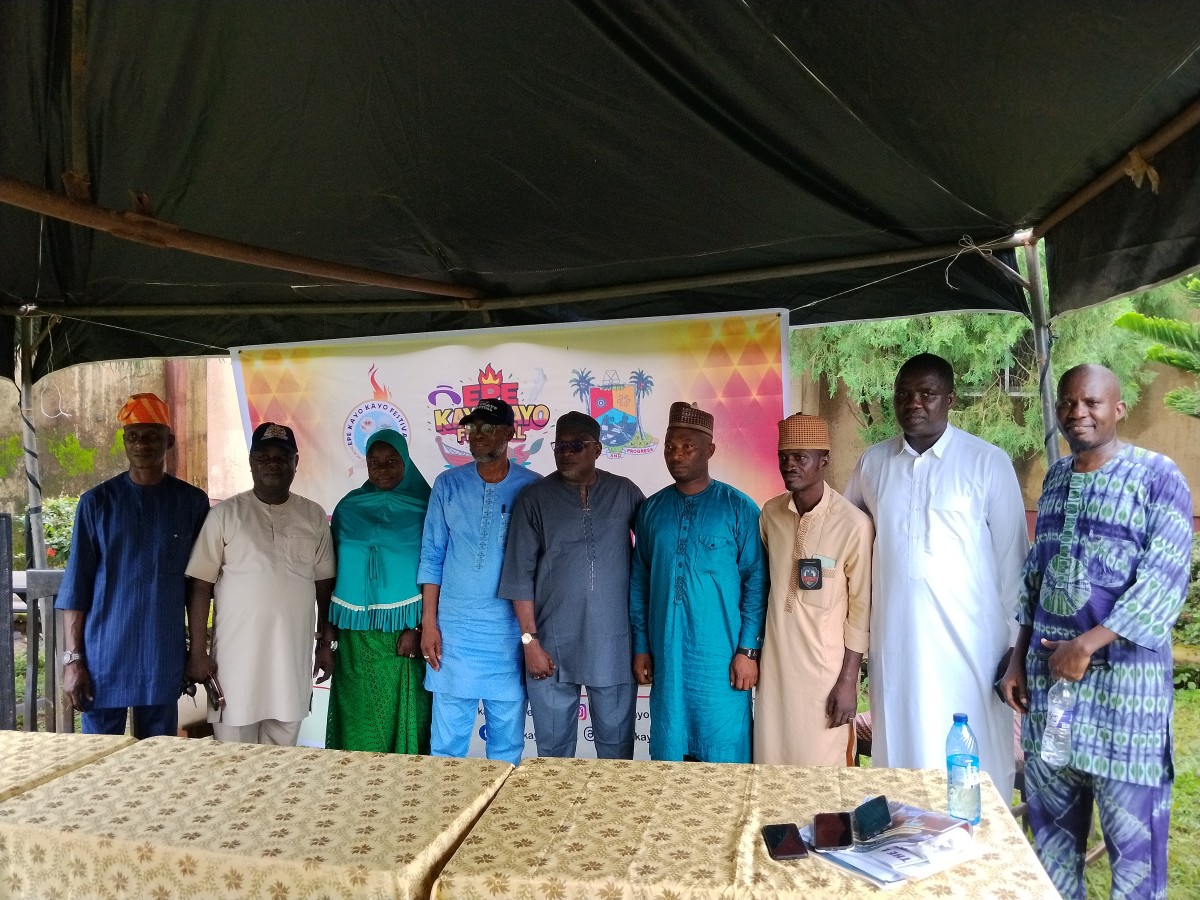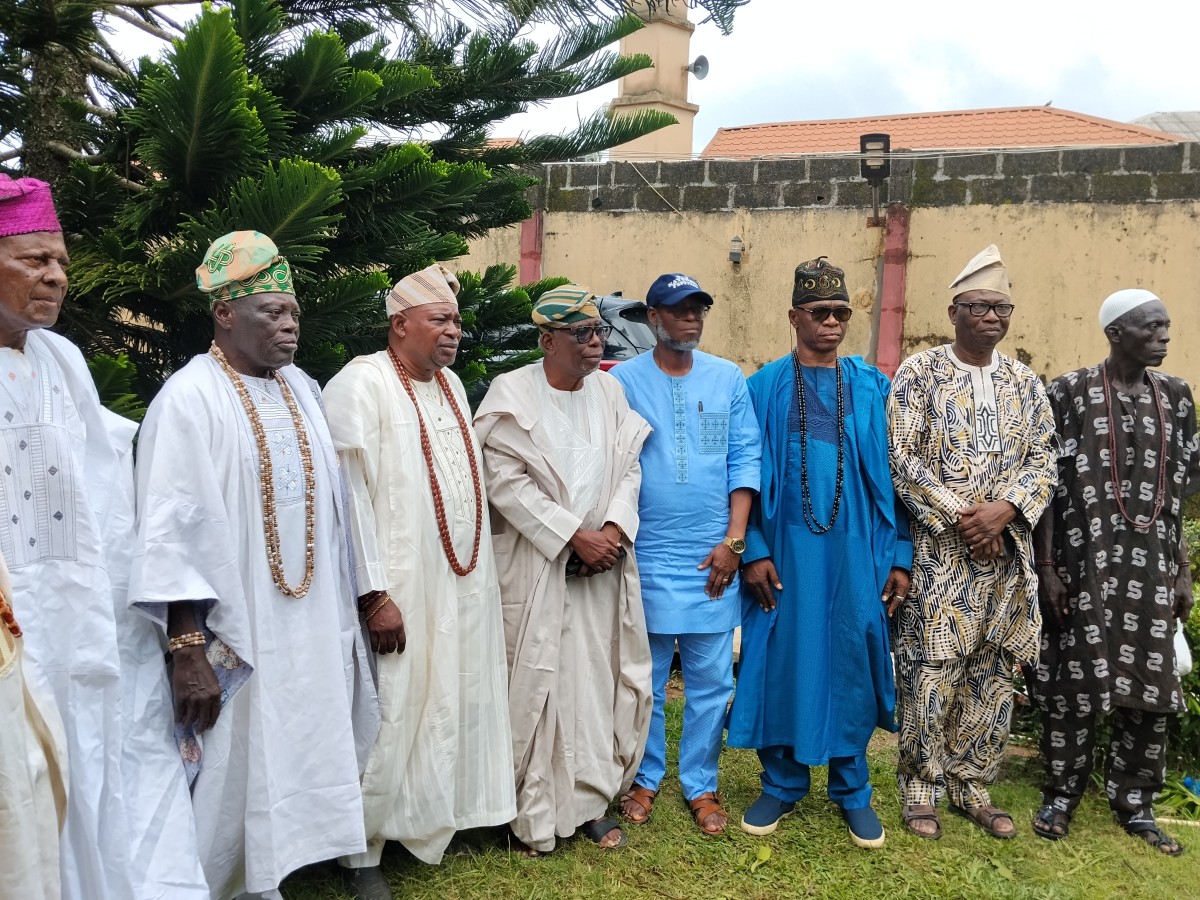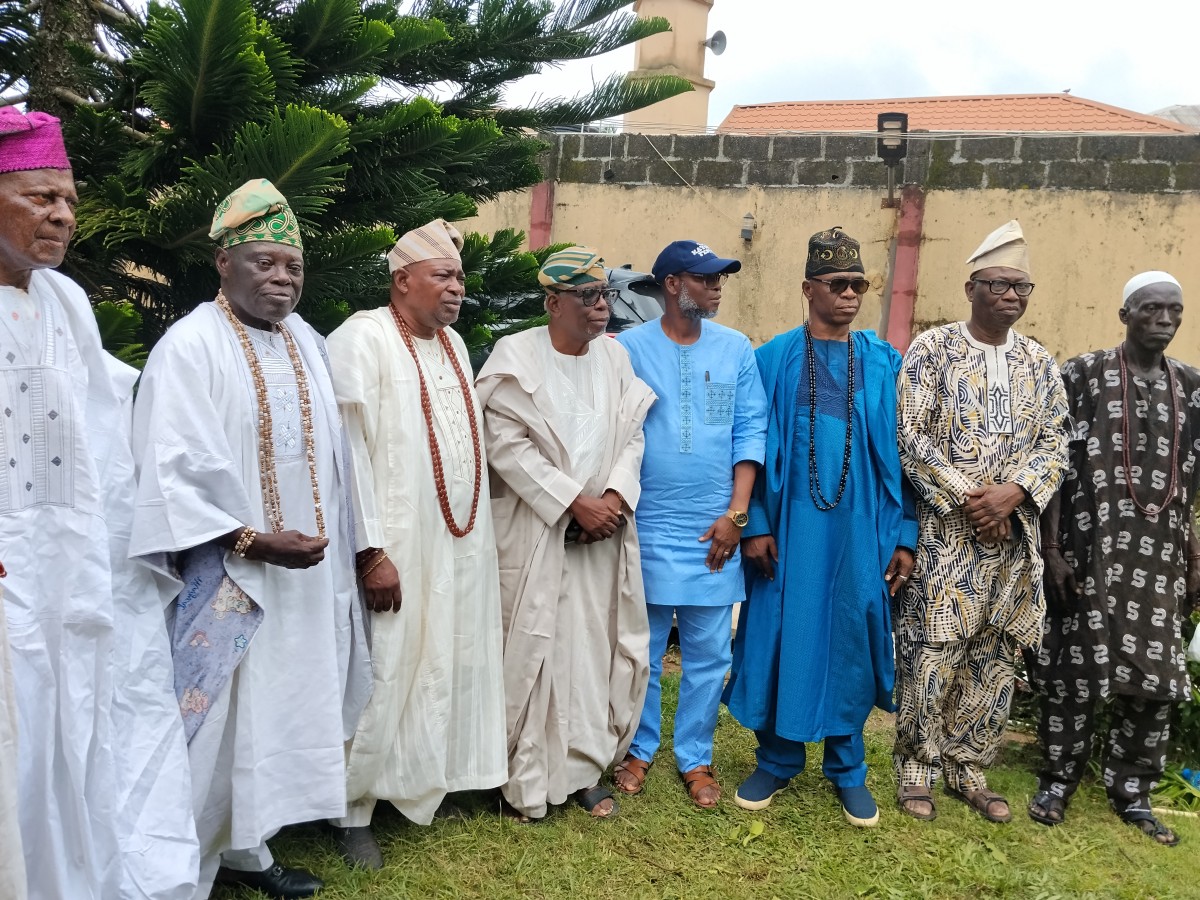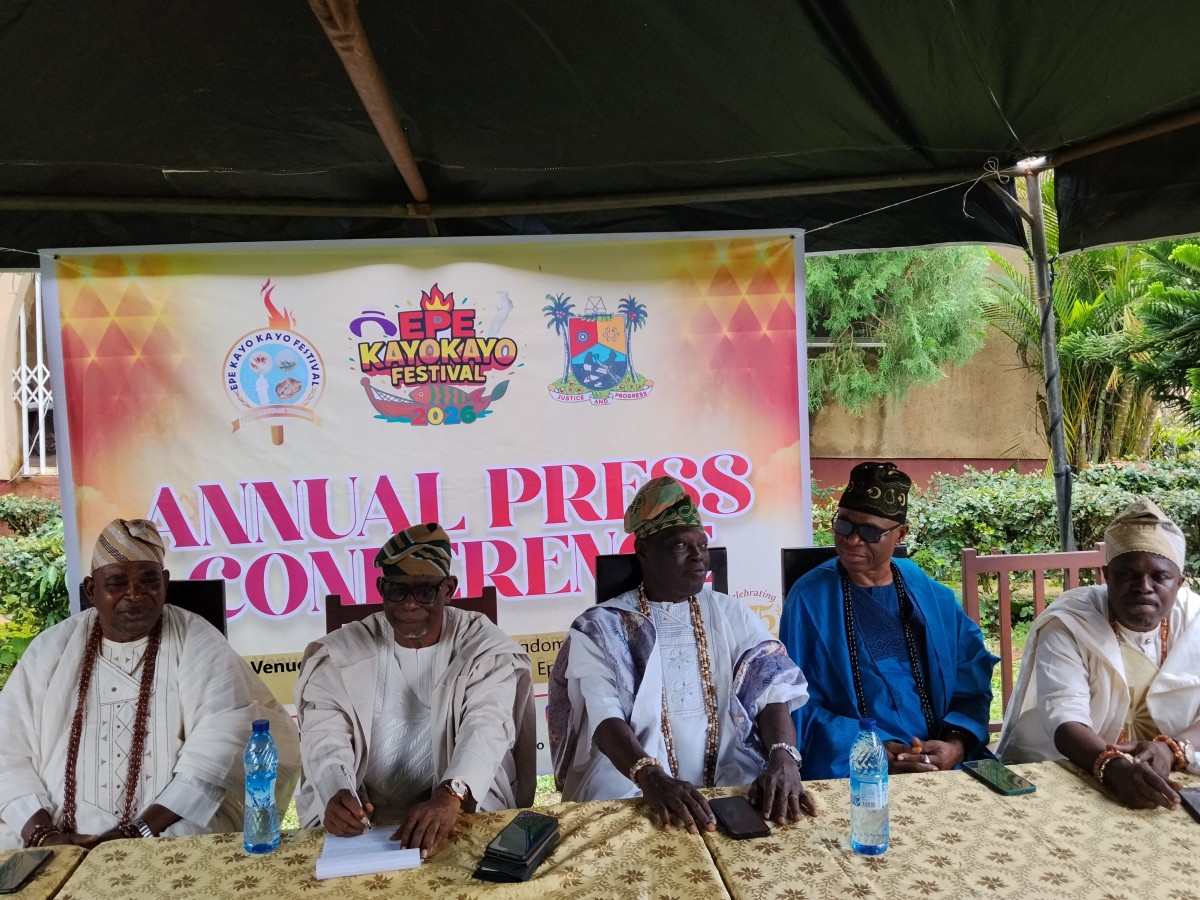
- The 175th Epe Kayokayo Festival commenced with a press conference unveiling activities for the week-long celebration.
- Festival Coordinator, Barrister Bayo Okulu, said this year’s event will feature religious, cultural, youth empowerment, medical, and economic activities culminating in a grand finale on July 11.
- The Mogaji Ngeri of Epe Kingdom traced the history of King Kosoko’s migration to Epe and clarified that the Olu-Epe stool is not hereditary but traditionally occupied by the Balogun of Epe.
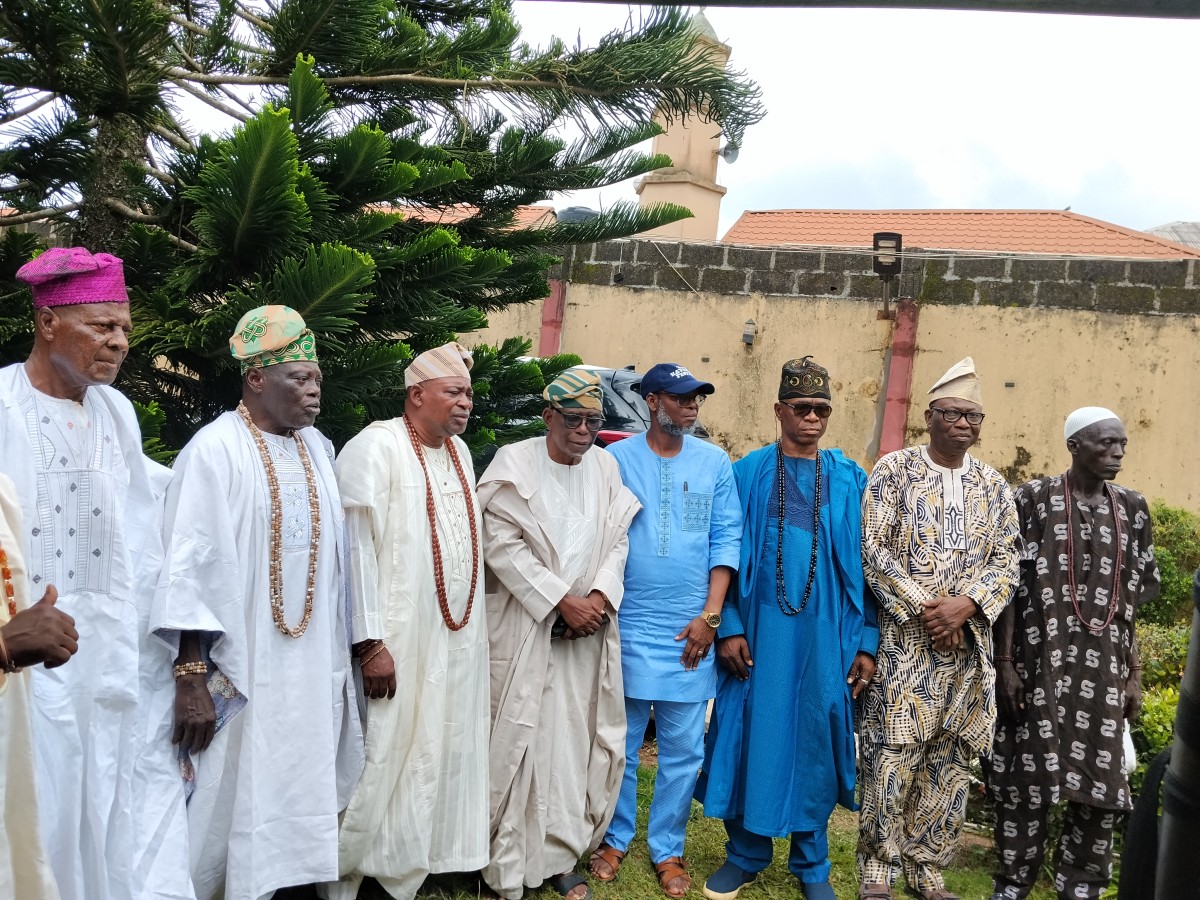
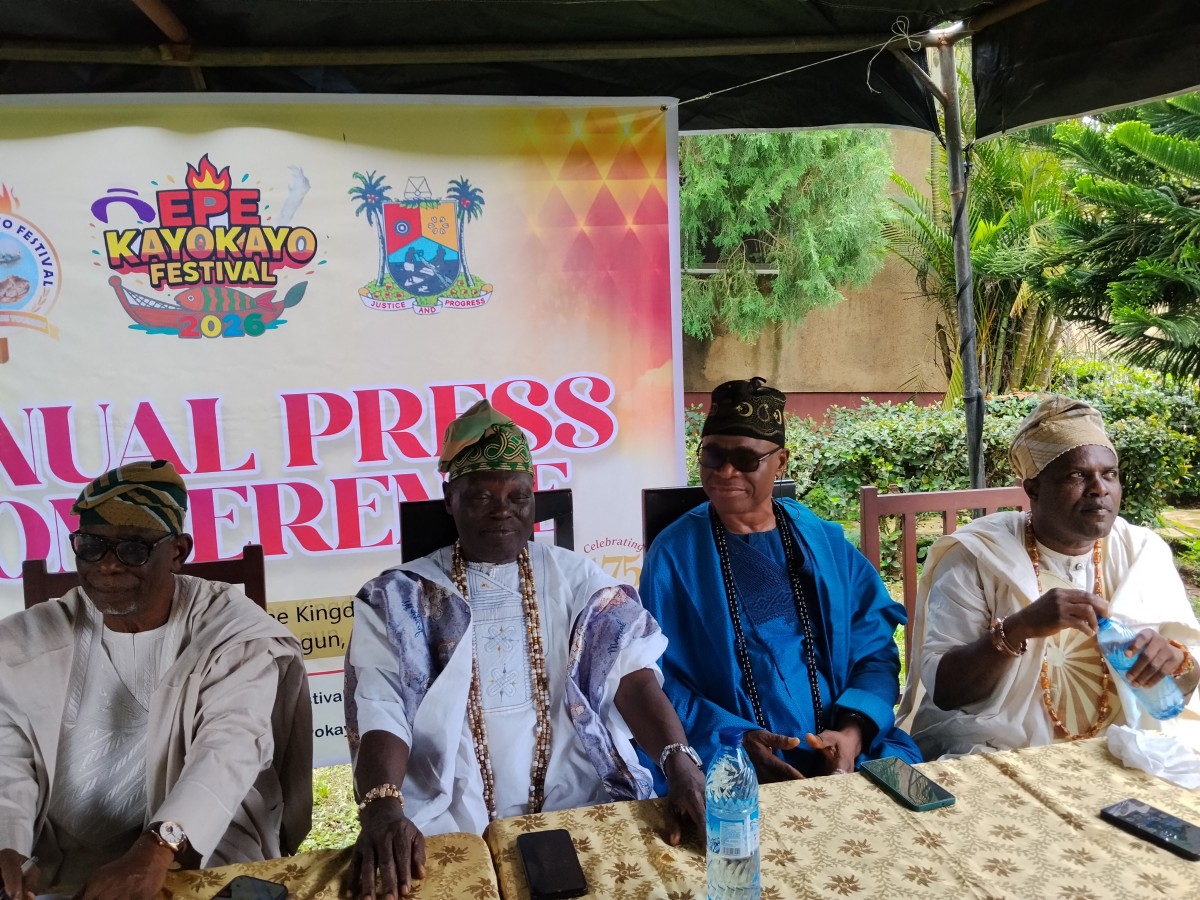
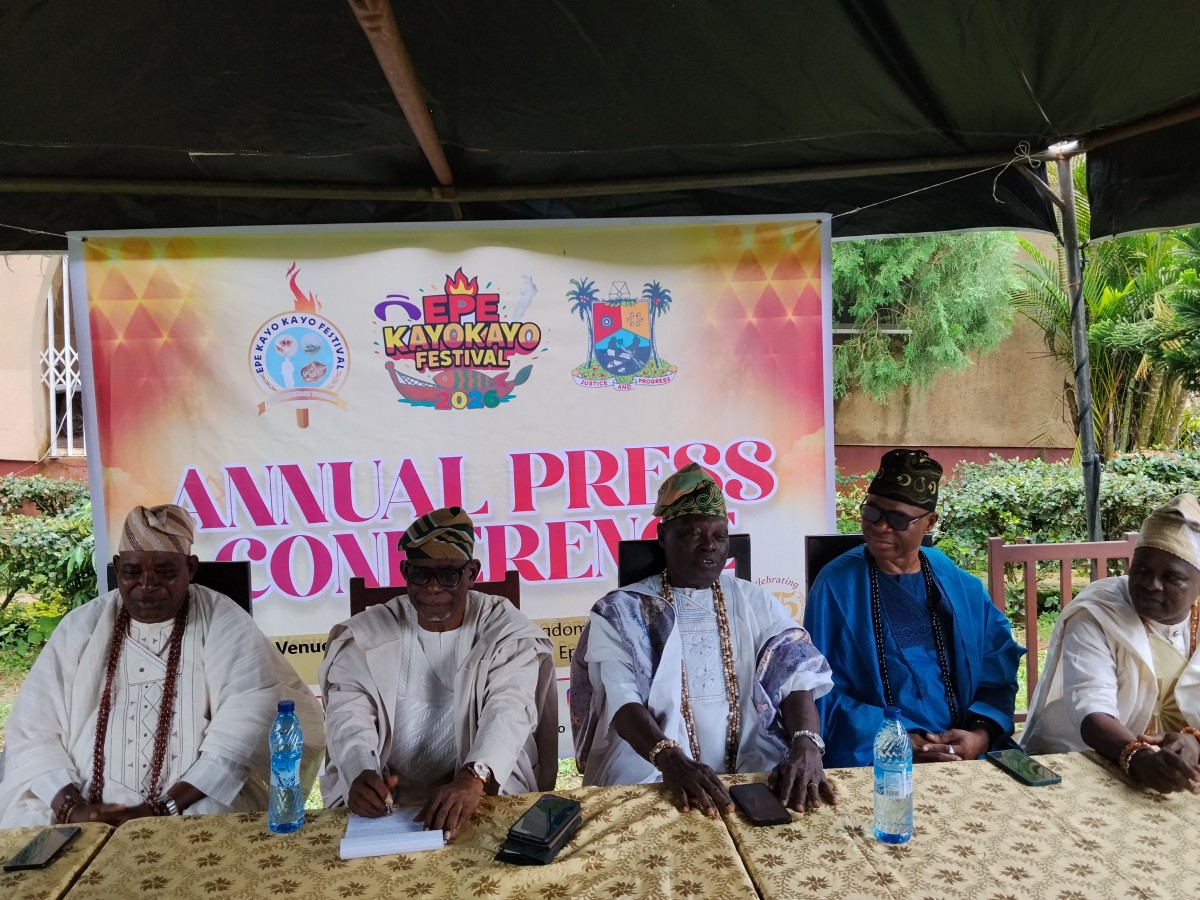
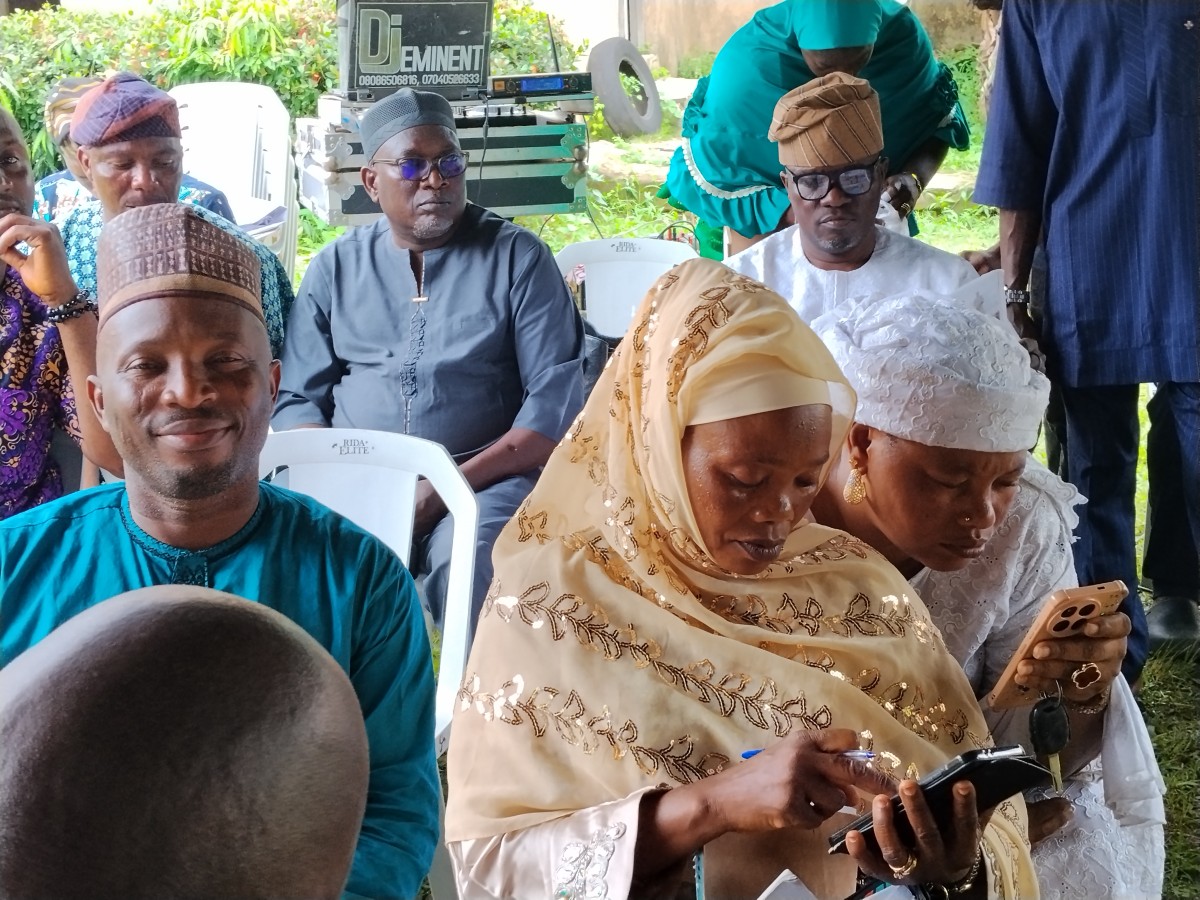
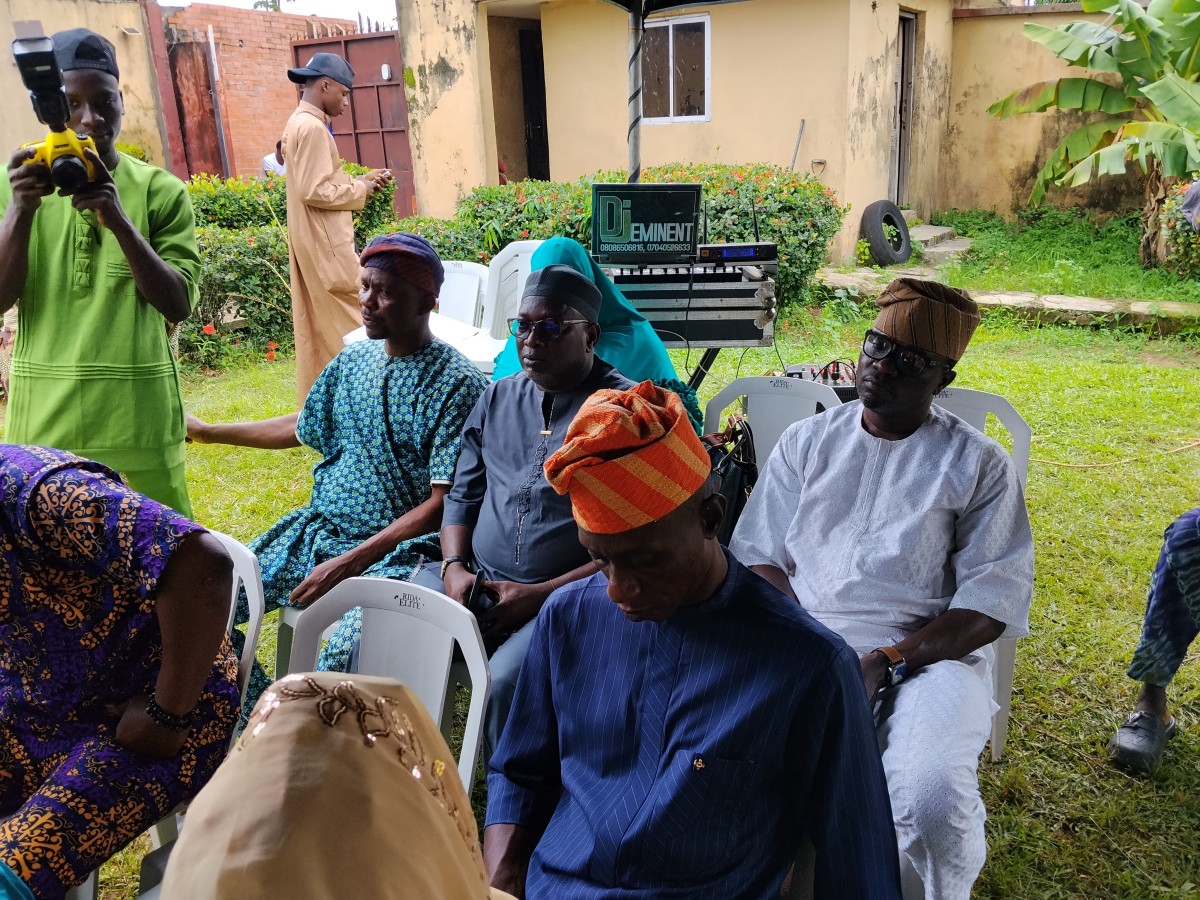
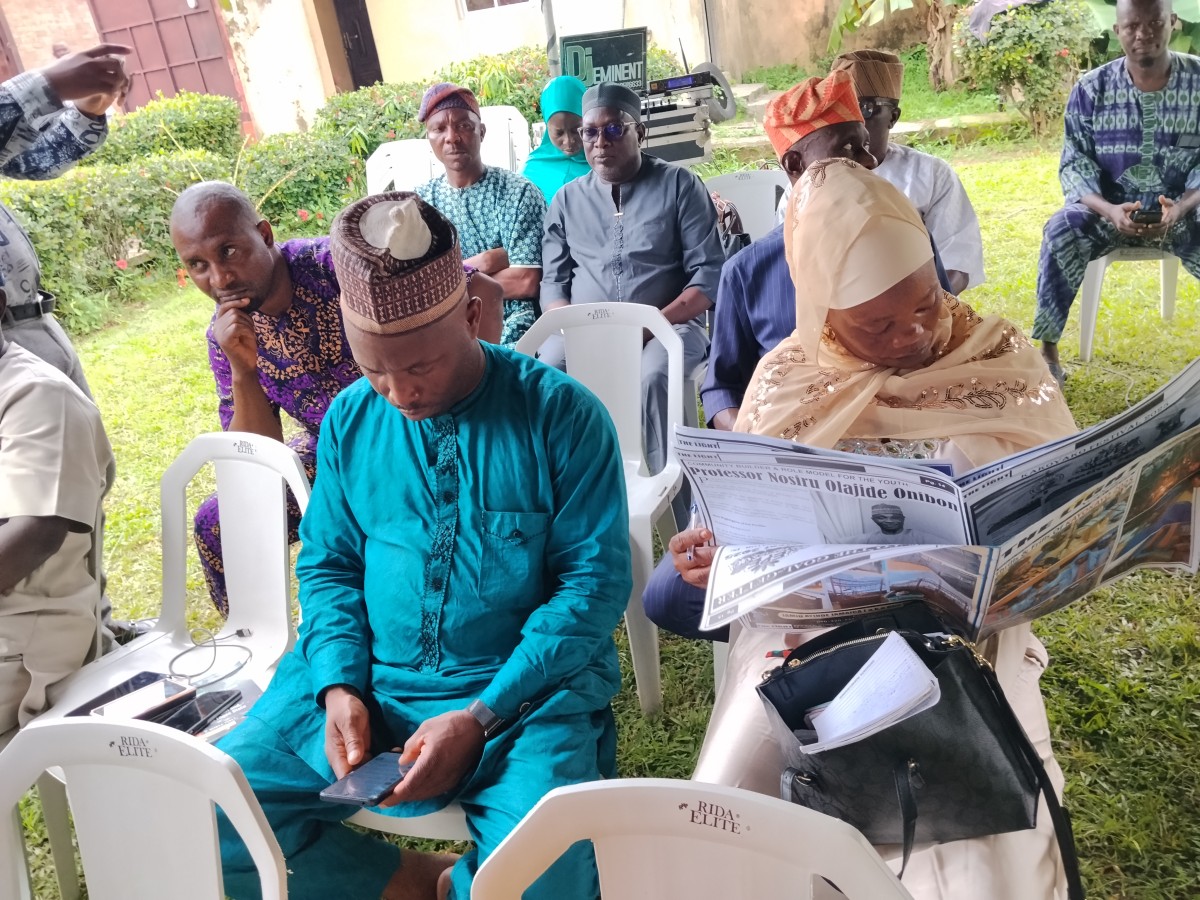
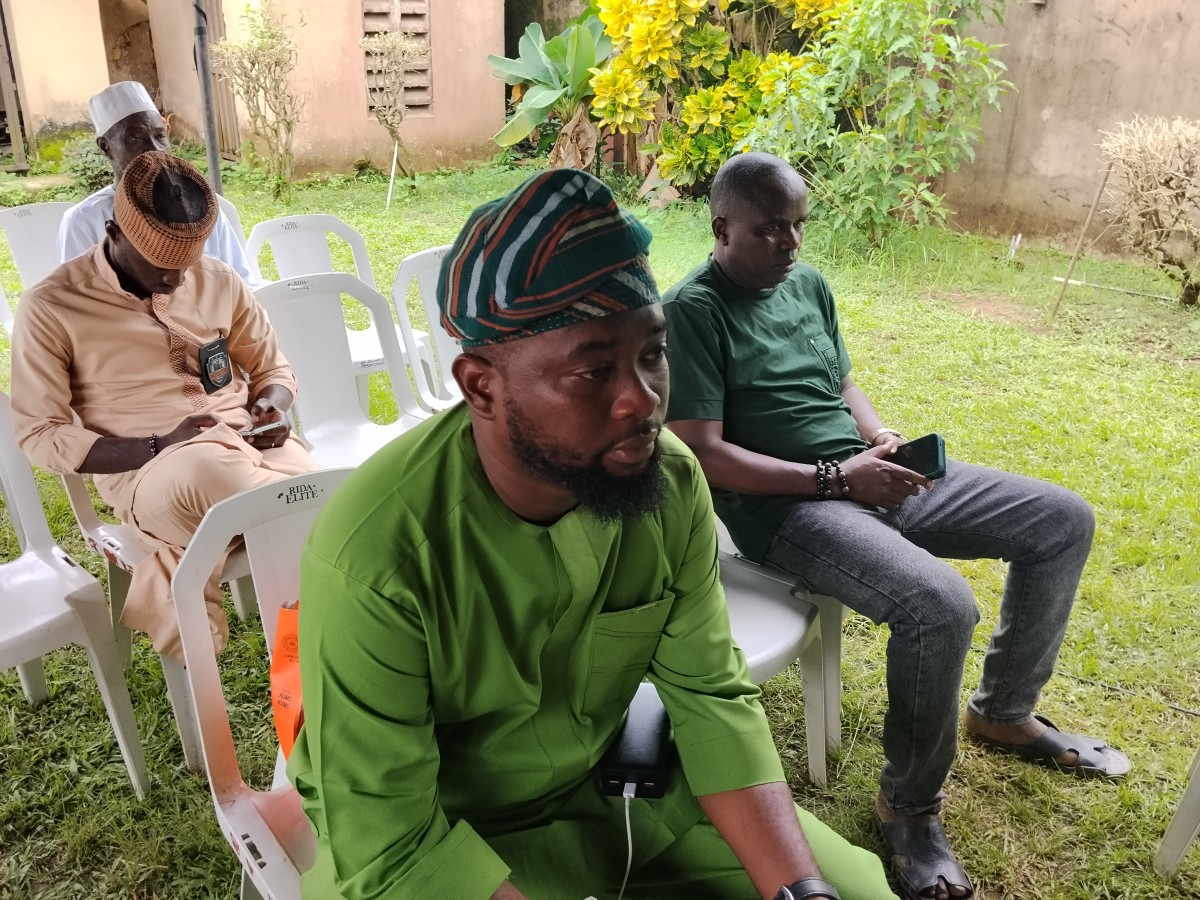
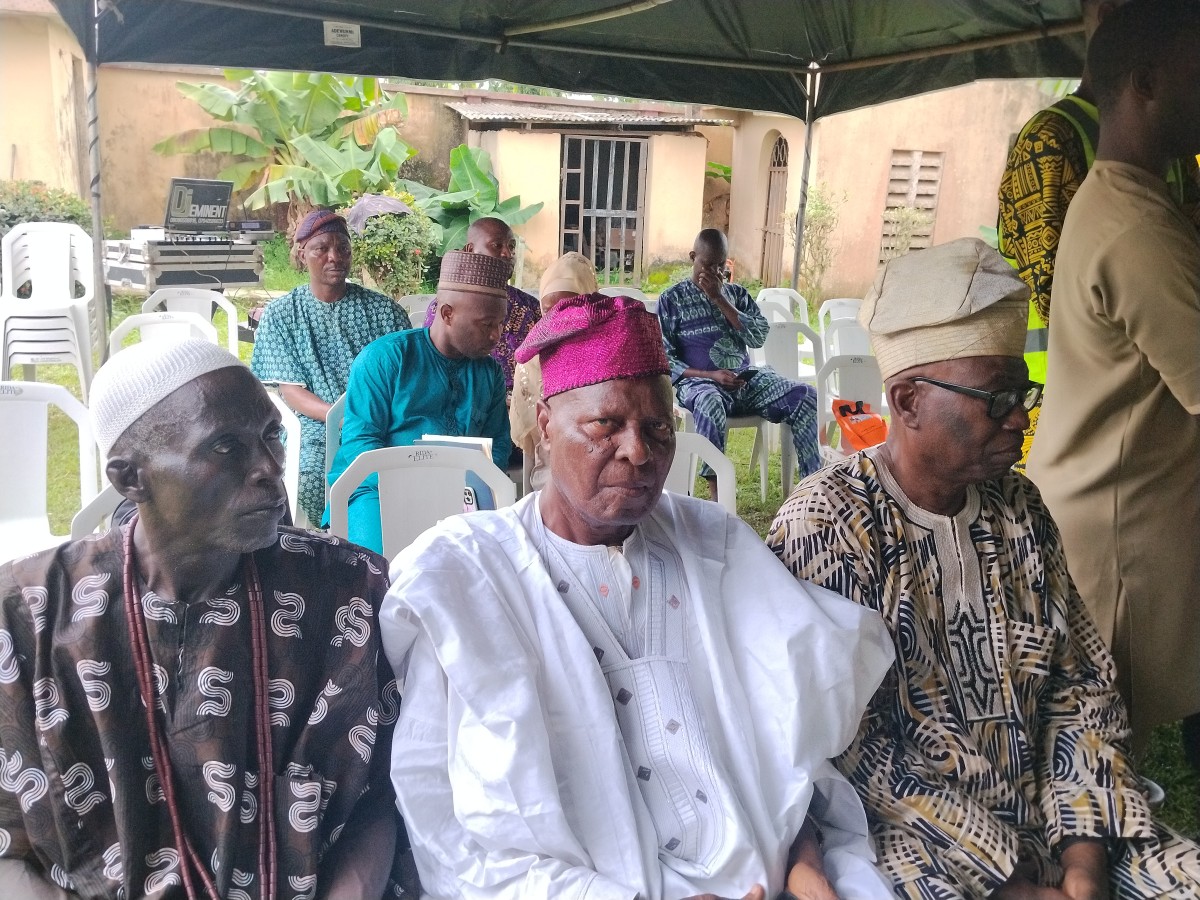
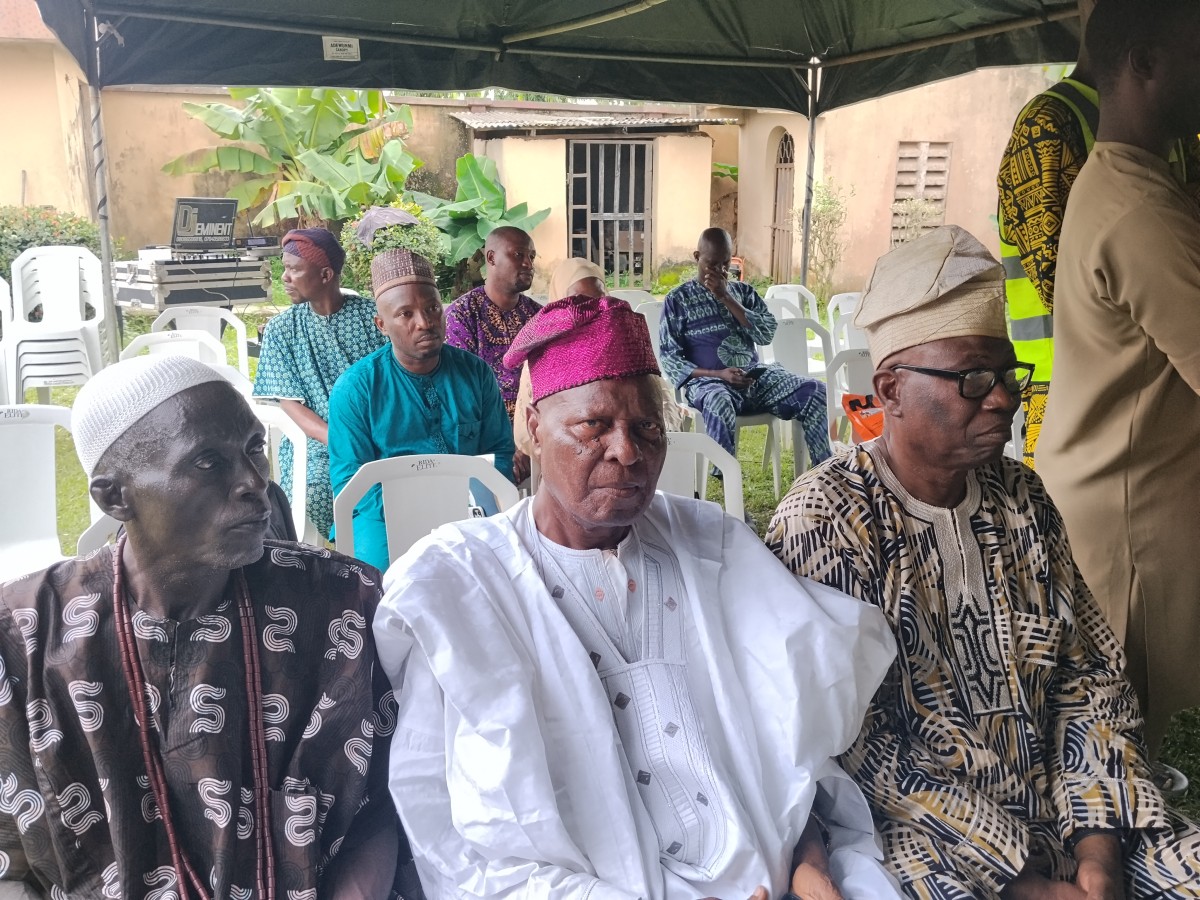
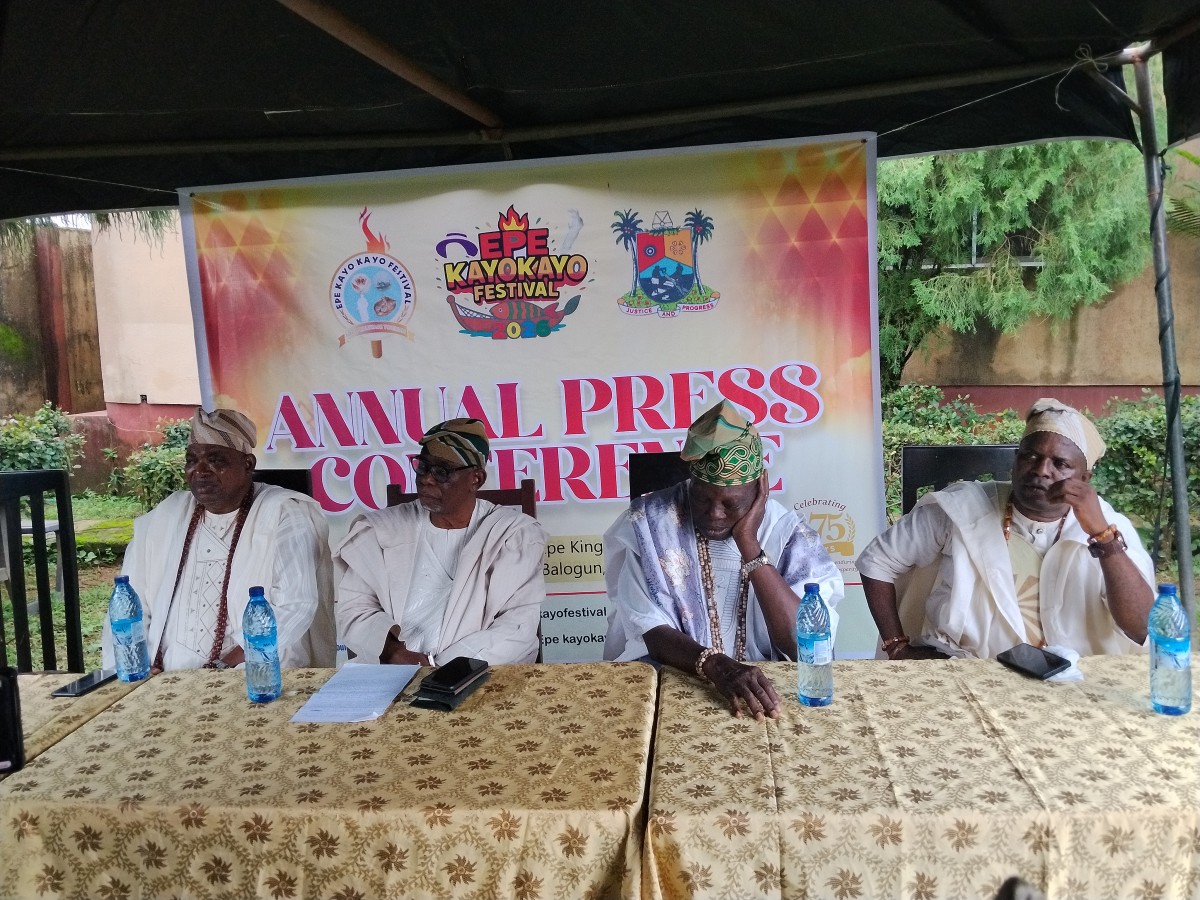
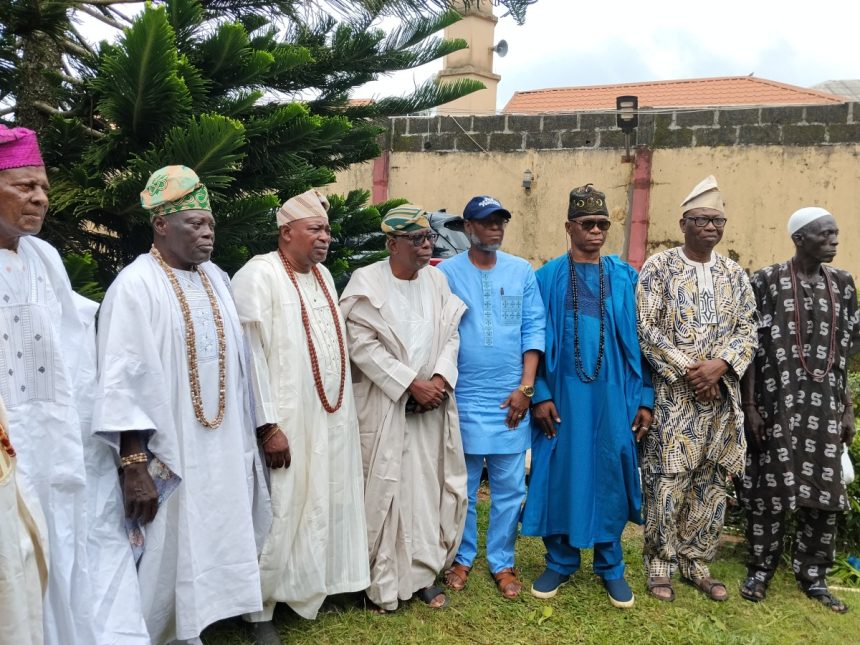
The 175th edition of the annual Epe Kayokayo Festival officially commenced on Friday with a press conference held at the residence of the Mogaji Ngeri of Epe Kingdom, 18 Eid Street, Oke-Balogun, where organisers unveiled activities lined up for the week-long cultural and religious celebration.
Eko Hot Blog reports that the festival, themed “Celebrating 175 Years of a Glorious Voyage, Enduring Heritage and Shared Prosperity,” is expected to bring together sons and daughters of Epe, traditional rulers, government officials, cultural enthusiasts, residents, and visitors in celebration of the town’s rich history and enduring heritage.
Speaking during the press conference, the Coordinator of the Kayokayo Festival Planning Committee, Barrister Bayo Okulu, described this year’s celebration as a significant milestone in the history of Epe Kingdom.
He disclosed that the eight-day festival has been carefully designed to promote cultural preservation, youth empowerment, religious harmony, economic growth, and community development.
According to him, activities began on Friday with the annual press conference and a Tahajud prayer at the First Epe Central Mosque.
He explained that Saturday, July 4, would feature an Islamic lecture and quiz competition, while a week-long job fair and the symbolic lighting of the Etufu would commence at the Epe Marina Waterfront.
Okulu further stated that the programme would continue with a medical mission on Sunday, Youth Day procession on Tuesday, a virtual youth engagement webinar on Wednesday, and the traditional royal visitation by the Olu-Epe-in-Council on Thursday.
He added that a special Jumat service would hold on Friday before the grand finale on Saturday, July 11, featuring a colourful carnival procession to the Marina Waterfront, cultural dance competitions, community prayers, scholarship awards for indigent students, the lighting of the Etufu, a grand reception, and a musical performance by renowned Fuji artiste, King Sulaimon Alao Adekunle Malaika (Qibla Fuji).
“The Kayokayo Festival has continued to grow over the years. Beyond celebrating our history, it now serves as a platform for empowering young people, promoting commerce, preserving our cultural identity and strengthening the unity of Epe people,” Okulu said.
Also speaking, the Mogaji Ngeri of Epe Kingdom gave a historical account of the migration of King Kosoko and his entourage from Lagos to Epe, explaining that the Kayokayo Festival commemorates their historic arrival in Epe about 175 years ago.
He said the annual celebration remains a symbol of gratitude, peaceful coexistence, and the enduring relationship between the descendants of King Kosoko and the indigenous people of Epe.
The traditional chief also clarified the process for the selection of the Olu-Epe of Epe Kingdom, stressing that the stool is neither hereditary nor reserved for any particular family.
“The Olu-Epe stool is not hereditary, neither is it a family entitlement. Traditionally, only the Balogun of Epe is eligible to become the Olu-Epe. That has always been our custom and tradition,” he said.
He explained that while individuals may aspire to become the Balogun of Epe, the position of Olu-Epe follows the established traditional succession process and cannot be contested through personal ambition.
“There is no struggle for the Olu-Epe stool. The only position anyone can aspire to is that of the Balogun because it is from that office that the Olu-Epe emerges,” he added.
The press conference ended with a renewed call on residents, indigenes, and visitors to participate actively in all the scheduled activities and celebrate the rich cultural heritage, peaceful coexistence, and historical legacy of Epe Kingdom.