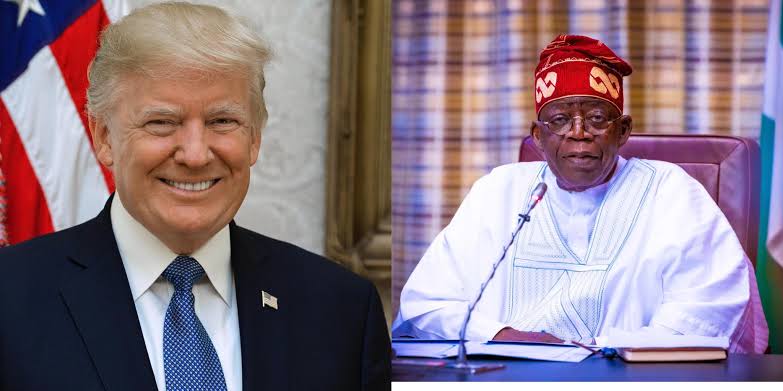
- Both countries are engaged in clarifying misunderstandings arising from Trump’s remarks
- Nigeria values its relationship with the U.S. and seeks continued support in combating terrorism
- Idris also accused some U.S.-based lobby groups of spreading misinformation
The Federal Government has initiated diplomatic talks with the United States following former President Donald Trump’s recent threat of military action against Nigeria.
Eko Hot Blog gathered that the Minister of Information and National Orientation, Mohammed Idris, confirmed the discussions in an interview with Sky News, noting that both countries are engaging to clarify misunderstandings arising from Trump’s remarks.
EDITOR’S PICK
- Tinubu Committed to Ending Insecurity – Presidency
- Man Denies Wife to Kiss Tems on Stage
- Over 100,000 Nigerian Police Officers Guard Politicians, VIPs Instead of Citizens – EU Report
“Channels of communication have been opened. I can confirm that we are talking with them, and I think they are understanding the situation better,” Idris said.
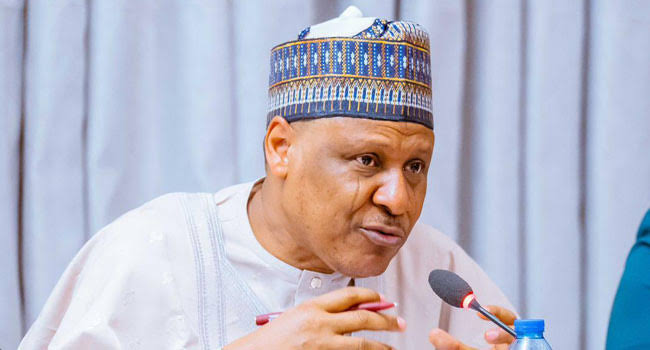
The minister explained that the U.S. may have misinterpreted Nigeria’s internal security challenges, emphasizing that the fight against terrorism is complex and ongoing, but Nigeria has not lost any territory to Boko Haram.
Idris also accused some U.S.-based lobby groups of spreading misinformation by working with elements of a banned separatist organization.
“We are seeing a direct connection between these lobbyists and a proscribed terrorist group in Nigeria, and how they have contacted high-level officials in the United States,” he said.
He stressed that Nigeria values its relationship with the U.S. and seeks continued support in combating terrorism. “We are calling on them to partner with us once again, to help restore peace in our country,” Idris added.
The minister dismissed claims that Nigeria engages in religious persecution, affirming the nation’s multi-faith character and constitutional guarantees for freedom of worship.
Trump’s statements, first shared on his Truth Social platform on November 2, accused Nigeria of failing to protect Christians and threatened a “fast, vicious, and sweet” military response.
His subsequent remarks aboard Air Force One hinted at possible troop deployment or airstrikes, drawing widespread criticism from diplomats and political analysts for risking U.S.-Nigeria relations.
FURTHER READING