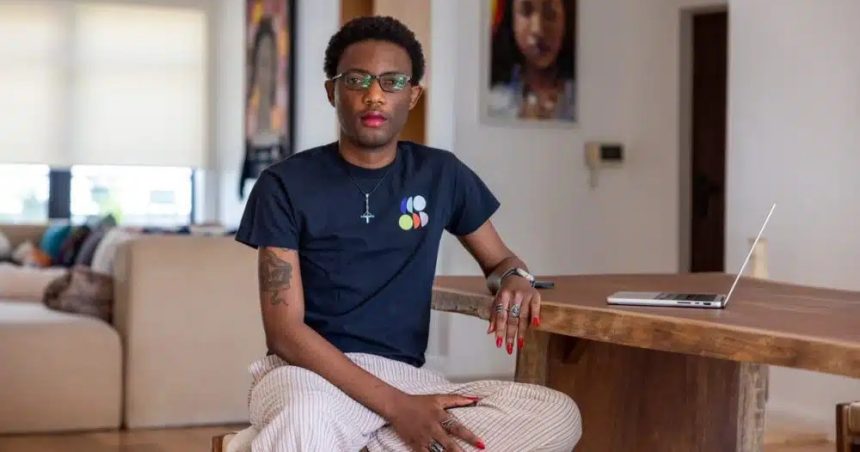
Paystack’s co-founder and chief technology officer, Ezra Olubi, has been suspended after an allegation of sexual misconduct involving a subordinate became public on Wednesday, November 12, 2025.
But the controversy escalated sharply on Thursday as dozens of his decade-old tweets resurfaced, exposing a troubling history of sexually explicit remarks, inappropriate comments about colleagues, and posts that appeared to glamourise or encourage r*pe. The resurfaced posts, shared between 2009 and 2013, are deeply jarring not only in their content but also in how starkly they contrast with the progressive public image Olubi has projected in recent years as an ally of prominent feminists and an outspoken supporter of social justice causes on X.
EDITOR’S PICKS
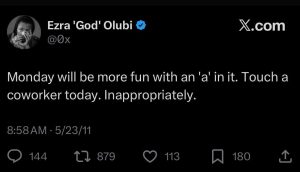
The posts that re-emerged this week paint a troubling picture. Between 2009 and 2013, Olubi made several sexually charged comments about coworkers, including describing erections during work meetings and making inappropriate remarks about female colleagues. In one tweet dated May 23, 2011, he wrote: “Monday will be more fun with an ‘a’ in it. Touch a coworker today. Inappropriately.”
In another, he referenced wanting to photograph a coworker’s thighs, while additional posts made sexualised remarks involving minors and anime characters.
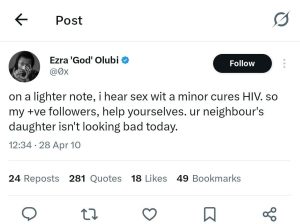
More disturbing still are a series of tweets in which Olubi appeared to glamourise and encourage child r*pe. These include multiple posts between 2009 and 2011 that framed rape as humorous, inevitable, or even socially and medically beneficial. One of the most widely circulated examples is an April 28, 2010 tweet that stated: “On a lighter note, i hear sex wit a minor cures HIV. so my +ve followers, help yourselves. ur neighbour’s daughter isn’t looking bad today.”
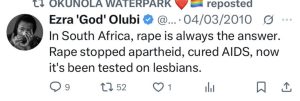
Earlier the same year, he wrote: “In South Africa, r*pe is always the answer. Rape stopped apartheid, cured AIDS, now it’s been tested on lesbians.”
Other posts from that period echoed similar sentiments, encouraging or normalising sexual violence in language that many have described as vile, misogynistic, and completely unacceptable in any context.

Olubi, born on November 12, 1986, was in his early to mid-20s when he shared these comments — an age at which he was already a working adult. For many observers, this undermines arguments that the tweets were simply immature jokes from a teenager. Instead, they raise deeper questions about judgment, professionalism, and attitudes toward harassment and sexual violence at a formative stage of his career.
Paystack confirmed Olubi’s suspension on Friday, saying: “Effective immediately, Ezra has been suspended from all duties and responsibilities pending the outcome of a formal investigation.”
The company added that it would not comment further until the investigation was complete, citing respect for all parties involved. Olubi has not responded publicly to the resurfaced tweets or the misconduct allegation. He also deactivated his X account on Thursday, shortly after the posts began widely circulating.
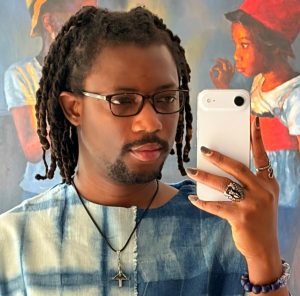
The revelations have triggered renewed public debate about authenticity in the tech ecosystem and the consistency between personal values and public behaviour.
Olubi has long been perceived as part of progressive circles on X, often seen engaging with feminist figures, advocating for inclusivity, and shaping discourse around safe digital spaces. For many critics online, the resurfaced tweets raise questions about whether this positioning reflected genuine beliefs or a more recent reinvention shaped by changing social norms.
Beyond the controversy surrounding Olubi himself, the incident has revived an even broader conversation about digital footprints—how they are formed, how they endure, and how they return, often at the moments people least expect. The internet’s memory is effectively permanent. Even deleted posts, dormant accounts, or years-old jokes can be archived, screenshotted, resurfaced, and reinterpreted in a completely different cultural moment.
The consequences can be life-altering. In Olubi’s case, tweets written more than a decade ago have re-entered public discourse at a time when scrutiny around workplace behaviour, power dynamics, and sexual harassment is at its peak. The resurfacing of these posts has influenced public perception, intensified the seriousness of the allegations against him, and raised questions about the responsibility of leaders—especially those at companies that publicly champion values such as transparency, kindness, and respect.
Digital footprints are not simply personal history; they are part of a person’s public record. They shape how employers, colleagues, investors, regulators, and the public evaluate credibility and character. And once online, they often outlive the context in which they were created. What might have been considered “edgy humour” by some in the early 2010s is now recognised, correctly, as harmful and dangerous rhetoric, especially when it is coming from someone who would later rise to significant positions of power and influence.
FURTHER READING
Ultimately, this revelation is a reminder that digital history is permanent and it can shape reputations long after the posts themselves are forgotten.
Philip Ibitoye is a Special Correspondent with EKO HOT BLOG. Click here to find daily analysis and critical insight on trending issues in Lagos and other parts of Nigeria.
Click here to watch the video of the week below: