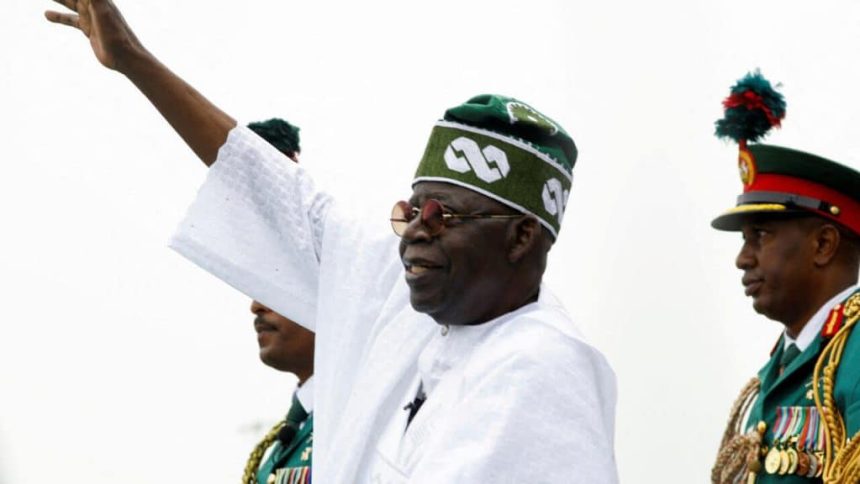
- Tinubu marked Nigeria’s 65th Independence Day with a national broadcast.
-
He highlighted progress, reforms, security improvements, and youth empowerment.
-
He admitted current hardship but assured Nigerians of a hopeful future.
President Bola Ahmed Tinubu on Wednesday, October 1, 2025, addressed the nation in a broadcast marking Nigeria’s 65th Independence Day. The speech, which began at 7:00 a.m., touched on the country’s journey since independence, current challenges, and the government’s plans for the future.
EDITOR’S PICKS
- The Past Is Gone, I Forgive and Move On – Jonathan
- Spotify Names Ayra Starr Top Female Force in Afrobeats
- Fela Didn’t Inspire Me – Burna Boy
EKO HOT BLOG reports that below are the eight major takeaways from President Tinubu’s Independence Day address:
1. Tribute to founding fathers and mothers
Tinubu paid respects to Nigeria’s founding heroes and heroines, praising their vision and belief in the country’s destiny to lead the black race as the largest black nation.
2. Growth across sectors in 65 years
He highlighted Nigeria’s progress in key sectors such as healthcare, infrastructure, manufacturing, financial services, telecommunications, IT, aviation, and defence.
3. Mixed experiences in nationhood
Tinubu acknowledged that, like other nations, Nigeria has experienced both achievements and setbacks in its 65 years of existence.
4. Economic reforms and recovery efforts
The President reaffirmed his administration’s commitment to economic revival, stressing that despite inheriting a weak economy, reforms over the past three years have begun yielding positive results.
5. Security gains recorded
He noted significant improvements in security, stating that Nigeria is winning the fight against terrorism, banditry, and violent crimes, with peace gradually returning to once troubled regions.
6. Youth as the nation’s greatest asset
Tinubu described Nigerian youths as the country’s future, urging them to keep innovating and dreaming big while assuring continued government support through policies and funding.
7. Acknowledgement of hardship
The President admitted that current reforms have brought hardship but stressed that the sacrifices are temporary and necessary for future prosperity.
8. A message of hope
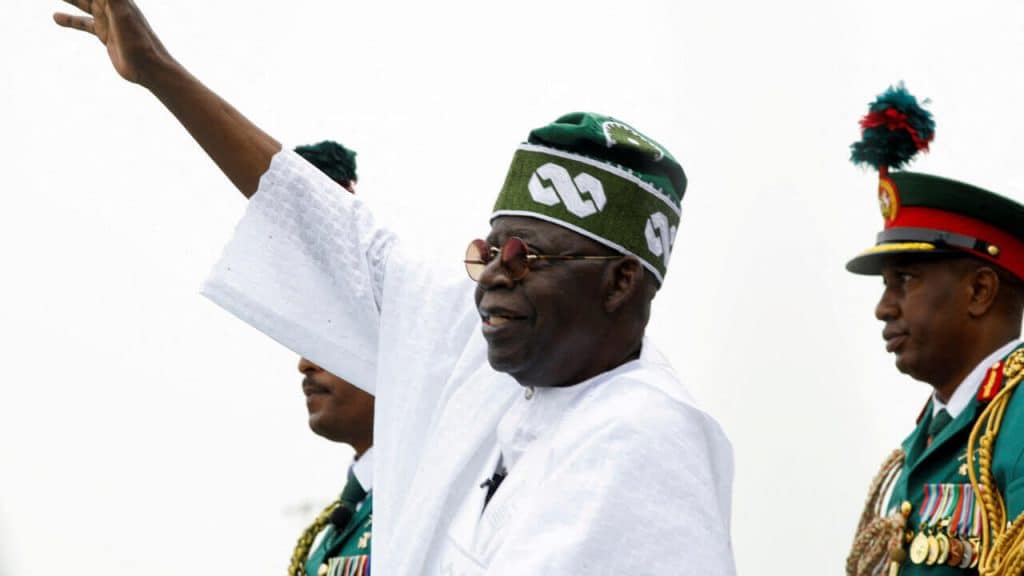
He concluded by assuring Nigerians that better days are ahead and called for collective support to reposition Nigeria as a prosperous and self-reliant nation.