- Ways to Reduce Your Risk of High Blood Pressure
- Eating well, exercising and limiting salt can support healthy blood pressure.
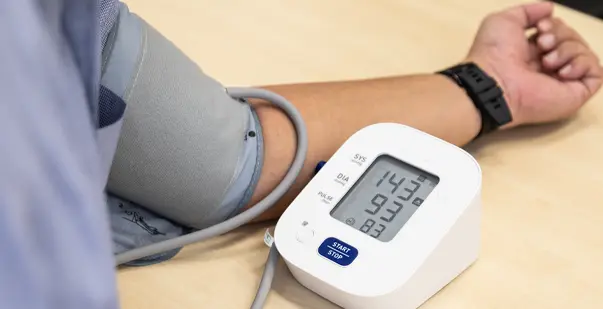
- Regular blood pressure checks can help identify hypertension before complications develop.
High blood pressure, also known as hypertension, can increase the risk of heart disease, stroke, kidney problems and other serious health complications. The condition may develop without obvious symptoms, making regular blood pressure checks important.
EDITOR’S PICKS
- Olodo Uprising: Sanwo-Olu Advises Youths to Embrace Knowledge, Curiosity
- BBN Season 11 Kicks Off with Unveiling of 24 Housemates Competing for ₦160m Grand Prize
- Why Africa Must Stop Exporting Raw Materials, Lessons From Benin for Nigeria
The good news is that several everyday lifestyle changes can help reduce the risk of developing high blood pressure.
1. Reduce Your Salt Intake
Eating too much sodium can contribute to higher blood pressure. Limit salty foods and reduce the amount of salt added during cooking or at the table.
Processed meats, instant noodles, packaged snacks, canned foods and some sauces can contain significant amounts of sodium.
Choose fresh foods more often and check food labels when possible.
2. Eat More Fruits and Vegetables
A balanced diet rich in fruits, vegetables, whole grains, beans and other nutrient rich foods can support healthy blood pressure.
Foods containing potassium can also help balance the effects of sodium in the body. However, people with certain kidney conditions may need to limit potassium, so dietary changes should be discussed with a healthcare professional when appropriate.
3. Exercise Regularly
Regular physical activity can help maintain a healthy weight and support healthy blood pressure.
Aim for consistent moderate activity such as brisk walking, cycling, swimming or other exercises you can maintain safely.
If you have been inactive for a long time, start gradually and increase your activity level over time.
4. Maintain a Healthy Weight
Being overweight or obese can increase the risk of high blood pressure.
Maintaining a healthy weight through a balanced diet and regular physical activity can help reduce this risk.
Even modest weight loss may provide health benefits for people who are overweight.
5. Limit Alcohol Consumption
Drinking too much alcohol can raise blood pressure and increase the risk of other health problems.
Limiting alcohol consumption can therefore form part of a healthy approach to blood pressure management.
6. Avoid Smoking
Smoking can damage blood vessels and increase the risk of cardiovascular disease.
Quitting smoking can improve overall heart and blood vessel health and reduce the risk of serious complications associated with high blood pressure.
People who find it difficult to quit can speak with a healthcare professional about available support.
7. Check Your Blood Pressure Regularly
Regular blood pressure checks can help identify hypertension early, particularly because high blood pressure often has no obvious symptoms.
Adults should discuss how frequently they need blood pressure checks with a healthcare professional based on their age, health history and other risk factors.
If your readings are consistently high, seek medical advice rather than trying to manage the condition without professional guidance.
Reducing your risk of high blood pressure starts with sustainable lifestyle choices. Eating a balanced diet, staying active, maintaining a healthy weight, limiting alcohol, avoiding smoking and monitoring your blood pressure can all contribute to better cardiovascular health.
These measures do not guarantee that hypertension will be prevented, as factors such as age, genetics and underlying health conditions can also affect blood pressure.
FURTHER READING
- Reps Probe N1.32bn Foreign Investment Council
- Abike Dabiri-Erewa Urges Nigerian Youths to Dream Big, Embrace Resilience
- Obi or Tinubu? Fresh Claims Emerge Over Obasanjo’s 2027 Political Allegiance