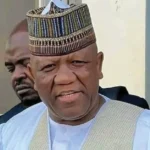
- Senator Mukhail Adetokunbo Abiru emphasized the role of legislative oversight in driving financial accountability and economic reforms.
- The High-Level Interactive Session focused on strengthening fiscal governance, budget implementation, and national revenue optimization.
- Key stakeholders, including finance ministry officials and economic policymakers, stressed the need for collaboration to build a resilient economy.
The Federal Ministry of Finance hosted a High-Level Interactive Session in Abuja, to enhance fiscal governance, improve budget implementation, and optimize national revenue bringing together members of the National Assembly, heads of agencies, and key stakeholders in Nigeria’s financial sector.
Ekohotblog reports that among the notable participants was Senator Mukhail Adetokunbo Abiru, who joined other legislators and policymakers to deliberate on strategies for sustainable financial management.
EDITOR’S PICK
- Hamas Welcomes Trump’s Reversal on Gaza Displacement
- PDP Crisis: Wike Lashes Out at Governor Diri, Accuses Him of Supporting Fubara
- Gov Zulum’s Convoy Repels Boko Haram Ambush, Rescues Seven Hostages
As a panelist, Senator Abiru emphasized the importance of legislative oversight in ensuring financial accountability, policy reforms, and the effective execution of economic strategies that directly benefit Nigerians.
“Legislative oversight is a critical tool for driving transparency and accountability in public finance. Our role as lawmakers is to ensure that policies and budgets are not just theoretical documents but are implemented efficiently to deliver real economic progress for the people,” Senator Abiru stated.
He further stressed the need for continuous collaboration between the Federal Ministry of Finance and the National Assembly, highlighting that stronger partnerships among key institutions are essential to building a resilient and sustainable economy.
“When key stakeholders work together, we can bridge fiscal gaps, enhance revenue generation, and ensure that public resources are managed prudently for national development,” he added.
The session had in attendance Senator Sani Musa, Chairman of the Senate Committee on Finance; Mr. Muhammad Sani Abdullahi, Deputy Governor (Economic Policy) of the Central Bank of Nigeria (CBN); Ms. Patience Oniha, Director-General of the Debt Management Office (DMO); Dr. Doris Nkiruka Uzoka-Anite, Minister of State for Finance; Mrs. Lydia Shehu Jafiya, Permanent Secretary of the Federal Ministry of Finance; and Mr. Taiwo Oyedele, Chairman of the Presidential Committee on Fiscal Policy and Tax Reforms.
The discussions at the session underscored the importance of institutional synergy, effective fiscal policies, and strategic economic planning in addressing Nigeria’s economic challenges.
FURTHER READING
- ‘My Father-in-Law Is Delaying Mohbad’s Burial for Financial Gain’ – Widow Cries Out
- Tinubu Meets Obasa, Lagos Lawmakers in Abuja Over Assembly Leadership Crisis
- Notable Drummer ‘Baba Onilu’, Who Once Went Viral, Has Passed Away
Stakeholders agreed that such engagements enhance policy implementation, drive economic stability, and ensure that financial decisions are aligned with national development goals.