- Tinubu Sets 7% Growth Target by 2027
- Reaffirms $1 Trillion Economy Goal
- Tinubu expressed satisfaction with his administration’s efforts to restore macroeconomic stability
President Bola Ahmed Tinubu has set a new goal of achieving a 7 percent growth rate by 2027 while reaffirming his administration’s commitment to ongoing economic reforms and the Renewed Hope Agenda’s drive toward a $1 trillion economy by 2030.
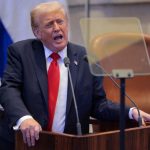
Speaking at the Federal Executive Council (FEC) meeting on Wednesday at the Presidential Villa, Abuja, Eko Hot Blog reports that Tinubu expressed satisfaction with his administration’s efforts to restore macroeconomic stability in the country.
EDITOR’S PICK
- Tottenham Blow Lead, Fall to PSG in Super Cup on Penalties
- FG Bans Creation of New Federal Universities, Others For Seven Years
- JAMB to Screen Exceptional Underage Candidates for 2025/2026 Admission
He urged his ministers to intensify measures to optimise public savings as a sustainable means of financing growth.
The President reminded the Council that when his administration assumed office in 2023, it implemented significant economic reforms, including floating the naira and removing fuel subsidies tough measures that initially unsettled the economy but have since created stability and boosted investor confidence.
“Together, we have carried out bold and difficult reforms that have removed longstanding distortions in our economy and restored policy credibility,” Tinubu said.
“Our economy is now better positioned to attract both domestic and foreign private investment, which is essential for stimulating sustained growth, creating decent jobs, and lifting millions of Nigerians out of poverty.”
Acknowledging the progress made, Tinubu noted that public investment remains low at just 5 percent of GDP, largely due to inadequate public savings.
He therefore called for urgent measures to improve spending efficiency, review deductions from the Federation Account including cost-of-collection charges by revenue agencies such as the Federal Inland Revenue Service (FIRS), Customs, Nigerian Upstream Petroleum Regulatory Commission (NUPRC) formerly the Department of Petroleum Resources (DPR), and Nigerian Maritime Administration and Safety Agency (NIMASA) and reassess NNPC’s 30 percent management fee and frontier exploration deductions under the Petroleum Industry Act.

“This is not just an economic target; it is a moral imperative,” the President emphasised, adding, “stimulating higher growth is the only sustainable path to addressing the poverty challenge in Nigeria.”
He also highlighted the Renewed Hope Ward Development Programme, covering all 8,809 wards in Nigeria, aimed at empowering grassroots economic actors and strengthening collaboration with state and local governments.
Reiterating his recent charge to the Nigerian Governors Forum, Tinubu urged governors to prioritise productivity-enhancing investments, improve food security, and collaborate closely with local governments to ensure resources reach the grassroots level.
Addressing the Economic Management Team, chaired by the Minister of Finance and Coordinating Minister of the Economy, Wale Edun, Tinubu called for a “comprehensive review of all deductions and revenue retention practices” and demanded actionable recommendations to FEC.
“The task ahead is great, but so is our resolve,” he told the Council. “Let us continue to work together with unity of purpose, guided by the Renewed Hope Agenda, to build a prosperous, inclusive, and resilient Nigeria.”
FURTHER READING
- Epe APC Apex Leader Celebrates Graduands of Vocational Training Centre Named in His Honour
- Alimosho Lawmakers Facilitate Road Rehabilitation in Akesan Community
Click here to watch video of the week