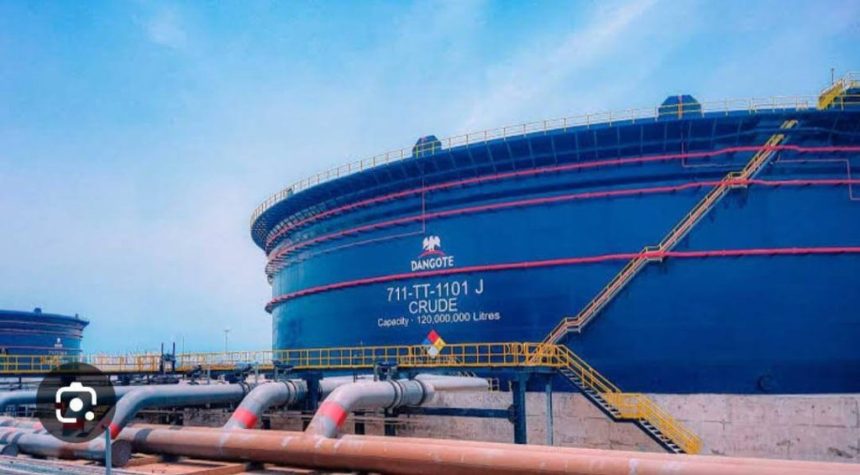
- Dangote Refinery Accuses Stakeholders of Sabotage Over CNG Fuel Distribution
- It blames vested interests for spreading misinformation on petrol supply.
- The refinery insists Nigeria is now a key West African fuel source.
The Dangote Petroleum Refinery has accused vested interests in Nigeria’s oil and gas sector of attempting to frustrate its operations, particularly its plan to deploy compressed natural gas (CNG)-powered trucks for nationwide fuel distribution.
EDITOR’S PICKS
- How Nigeria’s Excess Crude Account Has Depleted Over Time
- 2027: Why Jonathan Cannot Defeat Tinubu – Lagos APC
- Over 8,600 Domestic, S3xual Violence Cases Reported in Lagos in One Year
EKO HOT BLOG reports that
In an advertorial published on Sunday, the company said its initiative to begin direct petrol supply across the country from September 15 had been met with a wave of misinformation. On September 11, it announced the plan, but the Nigeria Union of Petroleum and Natural Gas Workers (NUPENG) dismissed it as a “Greek gift.” Two days later, the Depot and Petroleum Products Marketers Association of Nigeria (DAPPMAN) also criticised the refinery, describing the free petrol delivery offer as misleading and insisting that marketers must lift at least 25 per cent of their allocations from the refinery’s gantry.
Responding to the backlash, the refinery described the unions’ stance as part of “a calculated campaign of economic sabotage.” It said the resistance was aimed at discrediting the introduction of CNG-powered trucks, which it described as a major innovation toward Nigeria’s energy self-sufficiency.
Citing past controversies, the refinery recalled the 2022 incident where petrol containing over 15 per cent methanol, allegedly supplied by a DAPPMAN member, led to widespread engine damage across the country. It criticised regulators for failing to conduct a transparent investigation and alleged that certification of imported petroleum products remains riddled with irregularities.
The refinery also challenged claims that it supplies only 35 per cent of national demand, accusing regulators of failing to publish transparent consumption data. On pricing, it refuted suggestions that petrol was cheaper in Togo, stating that average pump prices in Lomé stand at about 680 CFA francs per litre (₦1,826).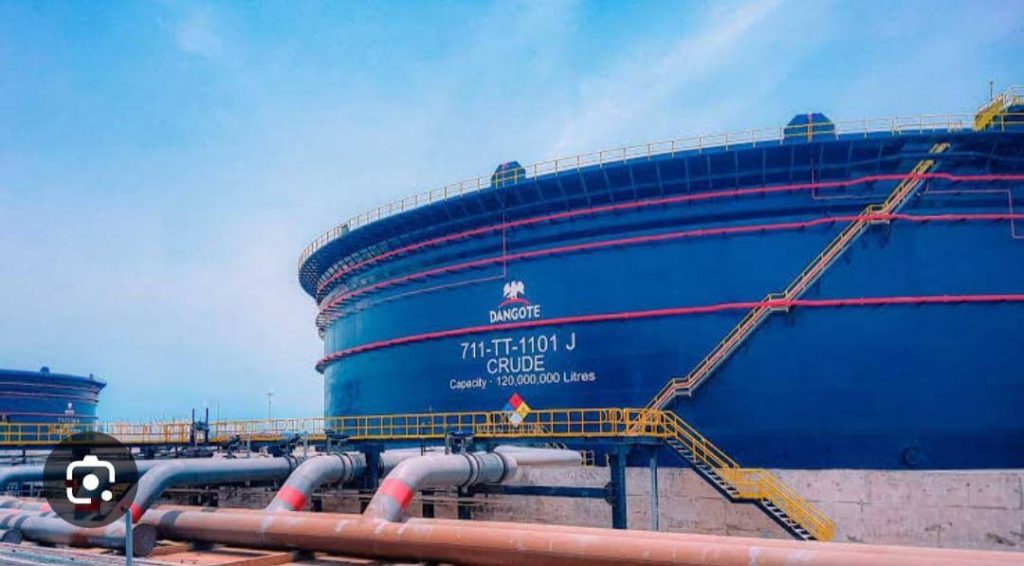
The company maintained that Nigeria is now positioned as a key source of affordable petrol feedstock for West Africa and described the unionisation dispute as a “cheap ploy” by those opposed to reform. NUPENG had suspended a strike against the refinery’s alleged anti-union stance on September 9 but threatened fresh action two days later, escalating tensions with the refinery.