- FG Investigates Strange Flesh-Eating Disease in Adamawa
- 67 cases confirmed
- Olufemi explained that the exact mode of transmission remains uncertain
The Federal Government has launched laboratory investigations into a strange flesh-eating disease that has claimed seven lives in Malabu, a remote community in Adamawa State.
Eko Hot Blog reports that Dr. Adesigbin Olufemi, Acting National Coordinator of the National Tuberculosis, Buruli Ulcer and Leprosy Control Programme, disclosed this in Abuja, noting that the outbreak has so far led to 67 confirmed cases.
EDITOR’S PICK
- Epe LG Chair Commends Olubunmi Kuku’s Historic Achievement in ACI Africa
- LASU Bursar Honored with Southwest Leadership Award for Financial Accountability
- African Champions LASU Queens Barred from FISU Tournament
Eight patients are currently undergoing surgical treatment at the Modibbo Adama University Teaching Hospital (MAUTH), Yola.
“The patients are undergoing surgical treatment with government support,” Olufemi said, emphasising coordinated federal, state, and partner response to the outbreak.
The disease, which typically begins as a boil before bursting and progressively destroying flesh and bone, is suspected to be Buruli Ulcer. It is caused by Mycobacterium ulcerans, a bacterium found in swampy and stagnant riverine environments.
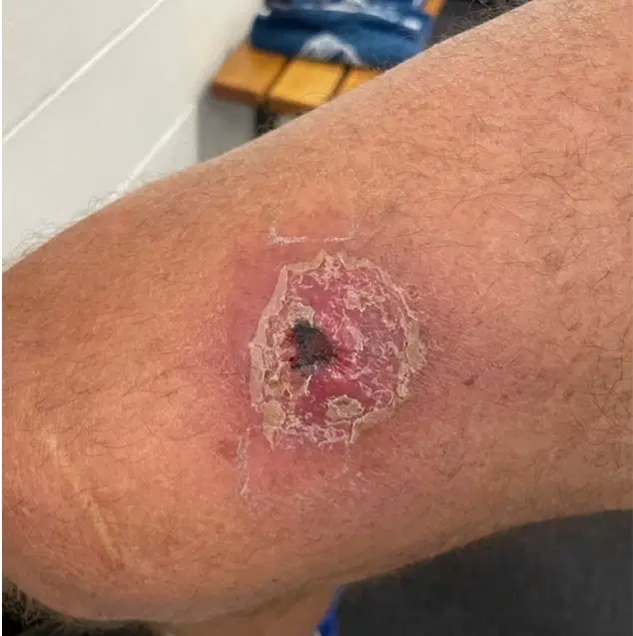
Olufemi explained that the exact mode of transmission remains uncertain, though some studies suggest insects such as water fleas or mosquitoes may transmit the bacteria.
He added that public awareness was critical, stressing that initial beliefs linking the illness to witchcraft had delayed treatment in some cases.
The Adamawa State Government and federal health partners, including non-governmental organisation REDAID, have been on ground since September 14 to support response efforts.
Mild cases are being treated at local health centres, while severe cases requiring surgery have been referred to specialised hospitals.
Olufemi identified poor road access to Malabu, located two hours from Yola, as a challenge for quick medical intervention.
He also highlighted the need for long-term investments in clean water and sanitation to reduce residents’ exposure to contaminated rivers.
“People will not need to go to those rivers to fetch water if they have pipe-borne or borehole water around them. That way, they are less exposed,” he said.
He assured the public that the federal and state governments, in collaboration with health partners, remain committed to containing the outbreak and treating affected persons.
The World Health Organisation (WHO) lists Buruli Ulcer as one of the world’s most neglected tropical diseases, predominantly affecting rural, riverine communities with limited access to healthcare.
FURTHER READING
- ‘Engage in Bribery, Lose Your Job’ – Otti Warns Appointees
- Fubara Attends Thanksgiving Service After Reinstatement, Urges Peace
- Ooni Visits Olubadan-Designate Ladoja Ahead of Coronation
Click here to watch video of the week