- Plateau: 11,749 People Killed, 420 Communities Attacked in 24 Years – Committee
- 11,749 lives lost between 2001 and May 2025
- Significant displacement, destruction of homes and livelihoods
A fact-finding committee has reported nearly 12,000 deaths and over 400 communities affected by violence in Plateau State over the past two decades.
The retired Major General Nicholas Rogers-led committee presented its findings to Governor Caleb Mutfwang in Jos, revealing that between 2001 and May 2025, 420 communities in 13 local government areas of Plateau have suffered violent attacks. The death toll stands at 11,749 people.
EDITOR’S PICKS
- Details Of Atiku’s Meeting With El-Rufai Emerge
- Tinubu’s Administration Prioritising Northern Development – Housing Minister
- JUST IN: Badagry West Vice Chairman Dies, Joins List of Female Council Leaders Dead in Two Months
EKO HOT BLOG reports that the report details extensive damage: about 35% of livestock was destroyed, 32.5% of communities displaced, 16.8% loss of food supplies, 9.9% homes destroyed, and 3.4% land grabbed or illegally occupied.
Major General Rogers said that attackers often enter through neighboring states such as Taraba, Bauchi, Kaduna, and Nasarawa, strike swiftly, then retreat. He listed criminals, herder/farmer clashes, ethnic and land disputes, and historical grievances as fuels for the violence.
Governor Mutfwang thanked the committee for the report and pledged to strengthen both kinetic and non-kinetic security operations. He promised increased recruitment into security outfits (like Operation Rainbow), expansion of peace-building agencies, and improved early warning systems.
The committee’s findings show the crisis has multiple dimensions not just loss of life, but profound social, economic, psychological, and cultural impacts on survivors. Many affected communities reported lasting trauma, loss of trust, and destruction of basic infrastructure.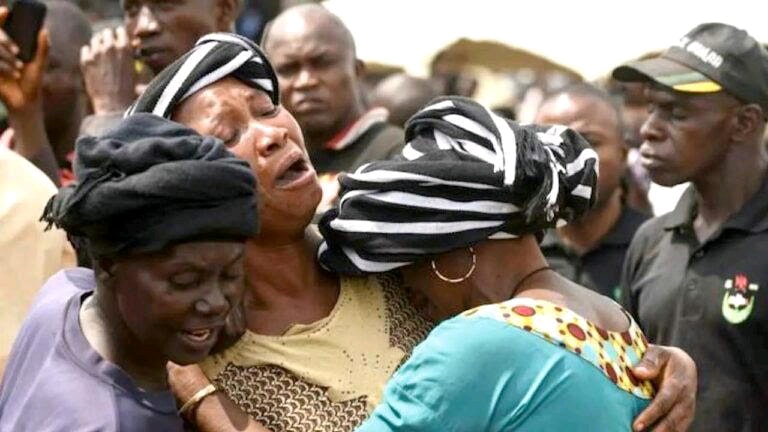
As the violence stretches on, the committee urged both state and federal governments to act decisively: enforce land rights, secure borders of vulnerable communities, prosecute perpetrators, and implement policies that foster unity and reconciliation. Without strong actions, the cycle of violence is likely to continue.
FURTHER READING
- Ebola? What To Know About Suspected Viral Haemorrhagic Fever Cases in Abuja
- Why Africa Must Cut Investment Risks to Attract Capital – EFCC
- Trump Places Harvard on Strict Financial Monitoring