- Jonathan lamented the abandonment of hospitality projects he initiated before becoming Vice President
- His administration supported local hoteliers with N10 million to N15 million loans to upgrade facilities
- Diri described the project as a landmark development that will boost hospitality
Former President Goodluck Jonathan strongly criticized successive Bayelsa State governments for failing to continue key development projects he started, resulting in significant waste of funds.
Eko Hot Blog gathered that speaking Wednesday at the inauguration of the new Best Western Plus Hotel in Yenagoa, Jonathan lamented the abandonment of hospitality projects he initiated before becoming Vice President in 2007.
EDITOR’S PICK
- APC Applauds Tinubu’s Economic Reforms as IMF, World Bank Laud Nigeria’s Growth
- Kano Court Remands Orphanage Owner Over Abduction of 600 Children
- Wike Justifies Supporting Tinubu as PDP Governors Defect to APC
Jonathan stated that the trend, where a new governor fails to follow up on the work of the previous one, constitutes a “major source of waste in governance.”
He recalled that his administration supported local hoteliers with N10 million to N15 million loans to upgrade facilities, specifically to appeal to visitors during the Africa Movie Academy Awards (AMAA). This initiative, however, “died” after he left office, and no one refunded the money.

He also mentioned that his government awarded contracts for three major hotels, including the Tower Hotel, but successive leaders failed to ensure their completion. Jonathan praised the Best Western Plus Hotel for bringing a world-class brand to the state, fulfilling the vision he had for Bayelsa’s tourism industry.
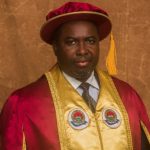
Governor Douye Diri also spoke, praising the hotel’s founder, Dr. Harcourt Adukeh, for his investment and commitment to the state’s economic growth.
Diri described the project as a landmark development that will boost hospitality, create jobs, and encourage more private investment.
He urged other Bayelsans to invest in their home state to drive sustainable development.
FURTHER READING