- New 15% Petrol Import Tariff Set to Increase Costs by ₦973.6bn Annually
- The 15% import duty aims to boost local refining but raises concerns.
- Critics warn the policy could worsen inflation and increase fuel costs for Nigerians.
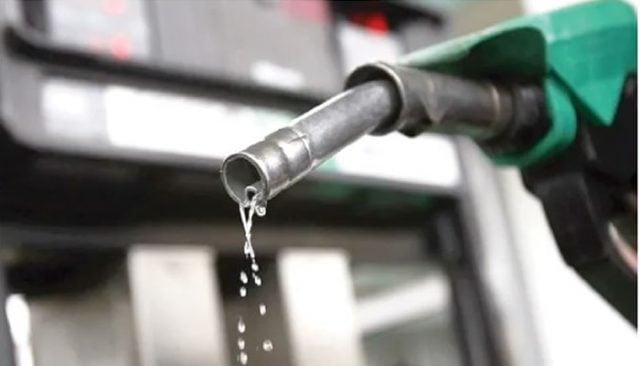
Nigerians will face an additional annual expenditure of ₦973.6 billion due to the Federal Government’s planned 15% tariff on petrol imports, as revealed by a price analysis conducted by The PUNCH. The new policy, aimed at boosting local refining and generating revenue, is expected to raise the cost of imported fuel, which will ultimately be passed on to consumers.
EDITOR’S PICKS
- Trump Pushes for ‘Golden Fleet’ Warships to Counter China’s Growing Threat
- Former Oyo Catholic Bishop Julius Adelakun is Dead
- Nigeria to Deliver 4,000MW Renewable Energy Capacity Under ‘Nigeria First’ Policy
EKO HOT BLOG reports that according to a report from the Nigerian Midstream and Downstream Petroleum Regulatory Authority (NMDPRA), Nigeria imported an average of 26.75 million liters of petrol daily between January and September 2025. At the proposed tariff rate of ₦99.72 per liter, the daily tariff charge for these imports will amount to approximately ₦2.67 billion. When calculated over the course of a year, this results in a staggering ₦973.6 billion, which Nigerians will pay through increased pump prices once the policy takes effect.
President Bola Tinubu’s approval of the import tariff is part of ongoing efforts to promote local refining and generate additional government revenue. However, the move has sparked widespread concern within the oil and gas sector, with operators warning that it could drive up petrol prices, exacerbate inflation, and increase import costs.
The proposal, submitted by the Executive Chairman of the Federal Inland Revenue Service (FIRS), Zacch Adedeji, seeks to apply a 15% duty on the cost, insurance, and freight value of imported petrol and diesel, aligning import costs with domestic market realities. According to Adedeji, the policy is designed to support local refineries, strengthen the naira-based oil economy, and ensure price stability.
Despite government assurances, industry experts, including the Independent Petroleum Marketers Association of Nigeria (IPMAN), have raised concerns over the timing of the tariff. They argue that it could distort market dynamics and harm independent marketers who rely on imports to meet demand. IPMAN’s spokesperson, Chinedu Ukadike, suggested that the policy undermines the principles of market deregulation and could potentially harm competition within the sector.
Furthermore, experts warn that the tariff may worsen inflation, particularly with the holiday season approaching, when demand for petrol typically rises. The CEO of PetroleumPrice.ng, Jeremiah Olatide, expressed concerns that the policy could burden consumers while also being ineffective at curbing fuel imports.
Although the policy is framed as a corrective measure to promote domestic refining, many stakeholders argue that the government should focus on providing fiscal incentives and support to local refineries rather than imposing tariffs on imports. They suggest that enhancing local production through direct support could ultimately lead to lower fuel prices and a more stable market.
The government is expected to implement the policy after a 30-day transition period, which will end on November 21, 2025. As the situation develops, Nigerians are bracing for potential price hikes at the pump, with further economic implications still unfolding.
FURTHER READING
- Obasanjo Explains Why He Rejected El-Rufai as Successor
- NOA Launches ₦22m Animation Contest to Promote National Values
- Gombe Commissioner Dies in Road Accident