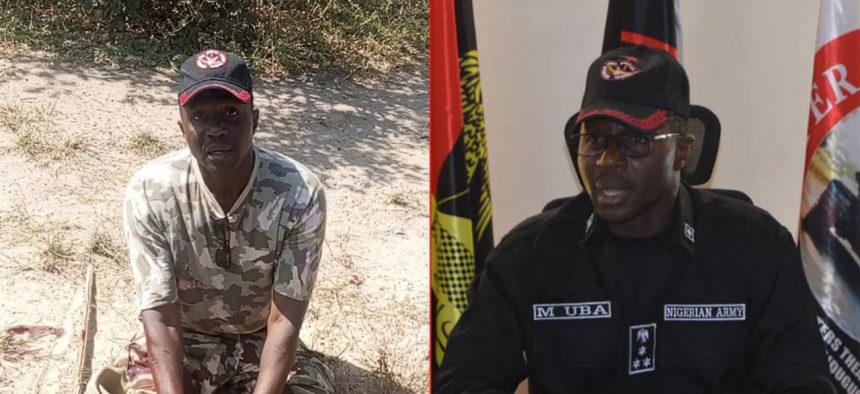
The reported execution of Brigadier-General M. Uba by Islamic State West Africa Province (ISWAP) fighters in Borno State and the near-simultaneous abduction of 25 schoolgirls from a boarding school in Kebbi State are not isolated tragedies.
Together they expose fault lines in Nigeria’s security architecture, from tactical failures and broken communications to politicised narratives that risk inviting ill-advised foreign intervention. Both incidents demand a sober reading of what is failing on the ground, what Nigerians are asking for, and what outside powers should not be allowed to do in the name of “rescue.”
EDITOR’S PICKS
Tactical collapse, intelligence gaps and the erosion of public confidence
That ISWAP was able to capture and, by its own admission, execute a brigade commander marks an alarming escalation.
Reports say Brig-Gen Uba’s convoy was ambushed along the Damboa–Biu axis; the army initially described him as safe after repelling the attack, only for ISWAP to publish images and a claim of capture and execution. The conflicting accounts are the stuff of strategic failure: if senior officers can be isolated, tracked and killed despite air assets and patrols, it implies serious weaknesses in field communications, force protection, and real-time intelligence.
Those weaknesses are echoed in the Kebbi school abduction.
Gunmen scaled fences, overran dormitories at around 4 a.m., and slipped away with 25 girls despite the presence of nearby military checkpoints — checkpoints that locals say were ill-positioned or stood down. The pattern is the same: local security forces outgunned or out-manned, information not reaching units in time, and reactive rather than preventive deployments. One student escaped; otherwise the operation might have gone unreported until ransoms or funerals forced attention.

Operationally, these incidents reveal three recurring problems: (1) compartmentalised or compromised communications that allow militants to intercept movements and exploit predictable routines; (2) insufficient intelligence fusion — military, police and civilian sources do not appear to be sharing actionable leads fast enough; and (3) logistics and morale deficits at the unit level that leave soldiers and police vulnerable during small-unit engagements.
The result is a credibility gap: when officials publicly say a senior officer is “safe” and a militant group shows a corpse, public trust erodes further.
The threat U.S. boots on the ground
In recent weeks, U.S. President Donald Trump publicly threatened military action in Nigeria, a highly unusual declaration that framed violence against Christians as justification for possible intervention.
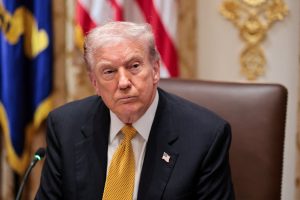
That rhetoric produced immediate reactions: some Nigerians urged the federal government to accept U.S. help; others warned that such offers could undermine sovereignty or be exploited for domestic political theatre. Major international outlets and analysts have warned that an external military intervention would be diplomatically fraught and operationally complex, and risk worsening the very insecurity it purports to fix.
Why is foreign military intervention a poor remedy? First, Nigeria’s violence is diffuse and localised; Boko Haram/ISWAP in the northeast, criminal “bandits” in the northwest, and communal clashes in the Middle Belt. A U.S. operation tailored to “wipe out Islamic terrorists” would face legal, logistical and intelligence hurdles and might not reach the criminal gangs who abduct schoolchildren for ransom.
Second, foreign troops risk becoming a lightning rod that insurgents can use for recruitment and propaganda; history shows external intervention often fuels, rather than quells, insurgency when not accompanied by political solutions.
Third, intervention on the basis of a sectarian narrative (protecting one faith) risks inflaming religious polarisation and undermining legitimate Nigerian institutions.
That said, the desire for help is understandable. Families and communities, traumatised by abductions and battlefield losses, want immediate action.
FURTHER READING
The correct response from the federal government should be twofold: accept targeted, accountable cooperation that strengthens Nigerian capacity (intelligence sharing, training on communications security, forensic and hostage-rescue advice), and reject any offer premised on unilateral military strikes or on narratives that instrumentalise religion for geopolitical posturing.
Philip Ibitoye is a Special Correspondent with EKO HOT BLOG. Click here to find daily analysis and critical insight on trending issues in Lagos and other parts of Nigeria.
Click here to watch the video of the week below: