The federal government has begun moves to scrap the policy that separates Junior Secondary Schools (JSS) from Senior Secondary Schools (SSS), citing its failure to improve school enrolment and its role in worsening the country’s dropout crisis.
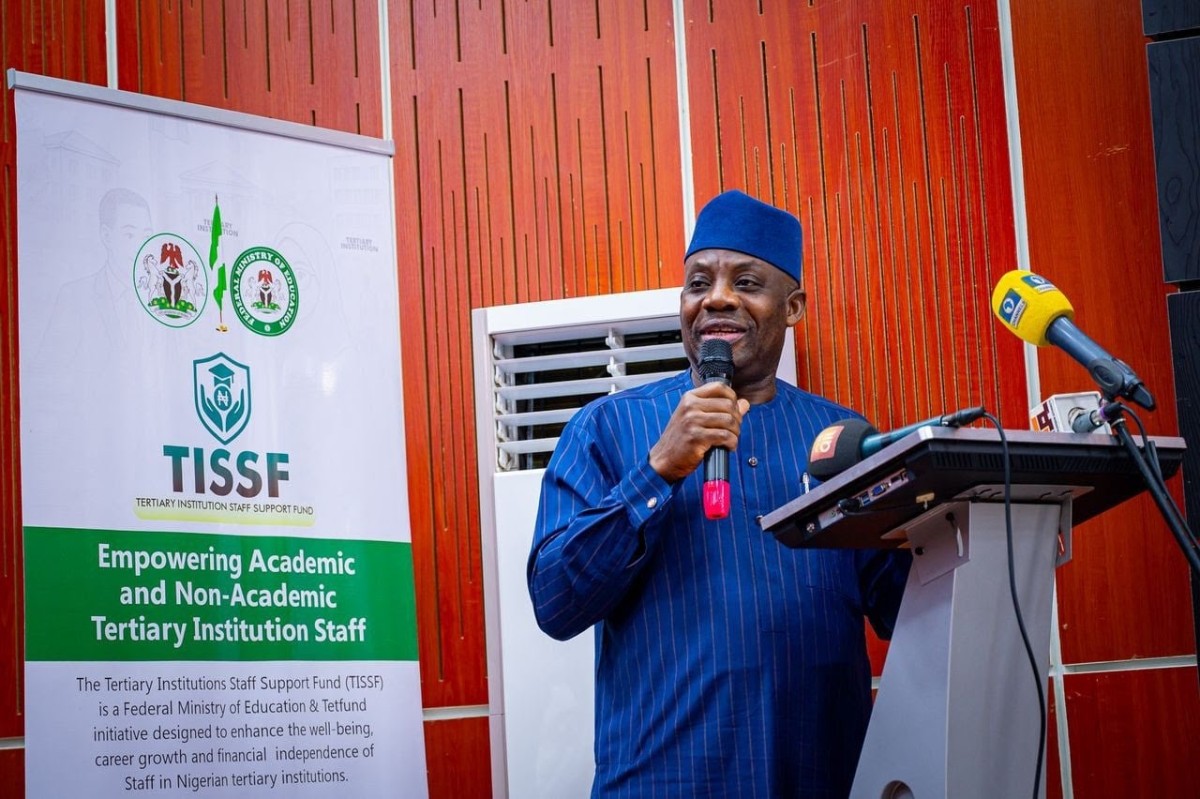
Minister of Education, Tunji Alausa, announced the planned phase-out on Tuesday in Abuja at the inauguration of the Universal Basic Education Commission (UBEC) ministerial implementation and monitoring committee.
EDITOR’S PICKS
- Can “Waste Police” Fix Lagos’s Trash Epidemic?
- LAWMA Is Clearing Lagos’s Trash. But Who Stops the Next Pile?
The disarticulation policy required JSS and SSS to run as separate entities, with different principals and administrative structures, even when located on the same premises. Alausa said the arrangement had created more problems than it solved, leaving many junior schools overcrowded while senior schools sat half empty.
The Numbers Behind the Decision
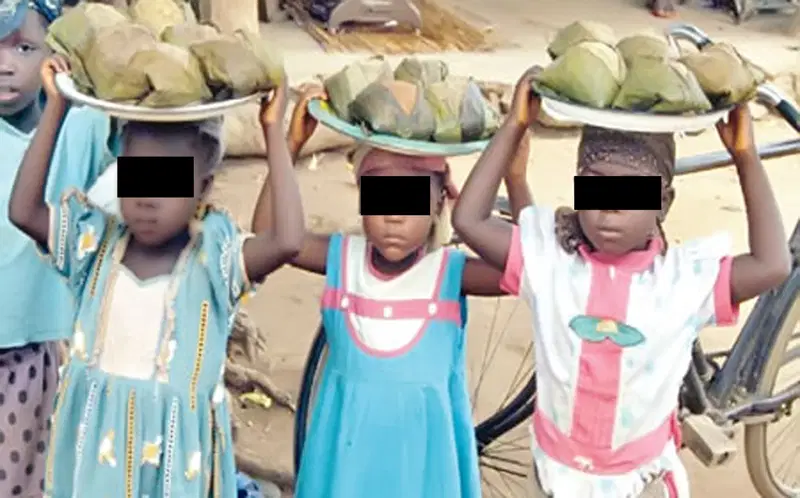
According to the minister, about 20 million children who started school at the primary level never made it to senior secondary school.
He linked this directly to the mismatch between the number of primary schools and junior secondary schools across the country. Nigeria has roughly 80,000 public primary schools but only about 15,000 junior secondary schools, a ratio of one JSS for every eight primary schools.
This gap, Alausa argued, means that even where pupils complete primary education, many have nowhere nearby to continue into JSS. The disarticulation policy, by forcing junior and senior schools to operate as separate units, made the bottleneck worse rather than easing it.
Why Separation Failed
Alausa pointed to data from Kaduna and other Northern states to illustrate the problem. With separate principals running JSS and SSS arms of the same school system, junior schools became overcrowded while senior schools were left underutilised. He said the policy appeared to have been driven more by a desire to create additional administrative positions than by what was good for pupils.
“This disarticulation policy has failed,” he said, adding that the government would not allow bureaucratic interests to override the goal of keeping children in school.
What Scrapping It Could Mean for Dropouts
Education stakeholders generally agree that transition points, the moves from primary to JSS and from JSS to SSS, are where Nigeria loses the most pupils. Separating JSS and SSS administratively is thought to have added friction to an already difficult transition, especially in areas where families must travel further or navigate new enrolment processes to move a child from one system to another.
By removing the administrative wall between JSS and SSS, the government appears to be betting that pupils will move more smoothly from junior to senior secondary level, particularly where both arms share the same campus. This could reduce the number of children who simply stop attending school after JSS because of logistical or administrative hurdles, rather than a deliberate decision to drop out.
However, scrapping the policy alone may not fully solve the bigger problem Alausa described: the shortage of junior secondary schools relative to primary schools.
Even with smoother administration, pupils in areas without a nearby JSS will still struggle to continue their education unless more schools are built or upgraded.
The Bigger Plan
Alausa said the newly inaugurated UBEC committee would oversee the completion of smart schools, bilingual schools and alternative schools funded by the commission, many of which remain unfinished despite substantial funding releases. Others have been completed but not yet handed over to state governments or absorbed into local education systems.
The minister said the committee’s job would be to ensure these projects are finished, transferred to states, and opened for learners, rather than left idle.
FURTHER READING
Whether scrapping the disarticulation policy meaningfully reduces dropout numbers will likely depend on how quickly these complementary efforts, more schools, faster handovers, and better infrastructure, are pursued alongside it.
Philip Ibitoye is a Special Correspondent with EKO HOT BLOG. Click here to find daily analysis and critical insight on trending issues in Lagos and other parts of Nigeria.
Click to watch the video of the week below: