Omokri, who has long cast himself as a vocal critic of President Bola Ahmed Tinubu, has used both local and international platforms to relentlessly undermine the president’s credibility.
EDITOR’S PICK
- PENGASSAN Warns of Looming Oil Sector Brain Drain
- Gumi Calls Down Divine Judgment on Terror Sponsors
- Over 42,000 Youths Get Stipends as FG Launches First Phase of TVET Disbursements
He has consistently labelled Tinubu in extreme terms, including accusations of involvement in illicit activities, and has sought to demarket his administration on the global stage. These attacks were calculated to influence perception abroad, shaping a narrative that positioned Omokri as a fearless watchdog challenging authority.
Yet, the ambassadorship nomination raises questions about consistency. Critics argue that this move fits a familiar pattern in Nigerian politics: figures who were once outspoken against a leader often realign when personal or career opportunities arise. Omokri’s transition from one of Tinubu’s fiercest global critics to a potential government representative exemplifies this dynamic.
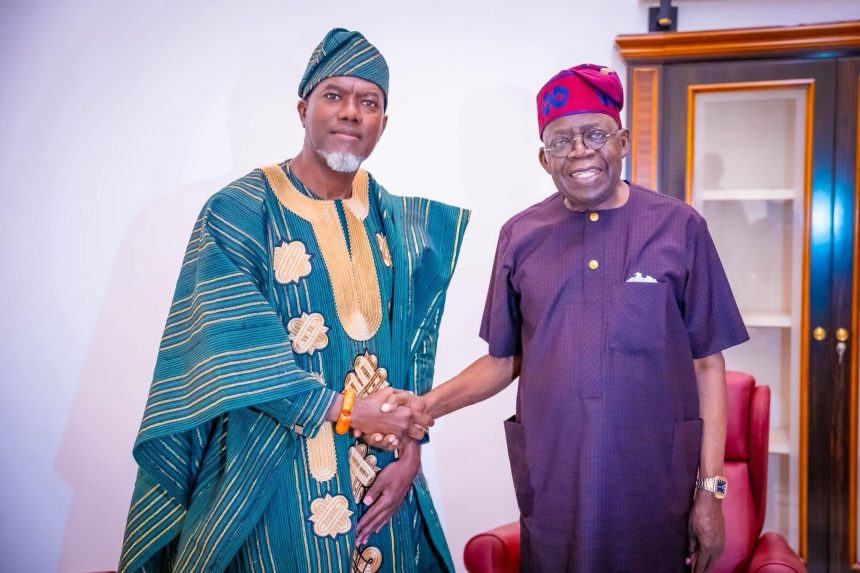
The case becomes more telling when considering Daniel Bwala, another high-profile figure with a similar trajectory. Like Omokri, Bwala previously served under the People’s Democratic Party and enjoyed the benefits of the party’s structure and political patronage.

Both men have navigated Nigeria’s political landscape in ways that suggest a pragmatic approach to loyalty, shifting allegiances when new opportunities present themselves. Their histories illustrate a broader trend: yesterday’s critic can become today’s nominee when the incentives align.
Omokri’s global criticism of Tinubu now clashes with the symbolic responsibility of representing Nigeria internationally. Observers note that such appointments risk undermining Nigeria’s diplomatic credibility, particularly when the nominee’s prior statements contradict the government’s image abroad.
The pattern of convenient realignment is emblematic of a wider political culture in Nigeria. Politicians often engage in fierce public rivalries only to switch positions when a new “paymaster” emerges, prioritising personal gain over ideological consistency. The trajectories of Omokri and Bwala, both former beneficiaries of the PDP, underscore how political pragmatism frequently outweighs steadfast loyalty.
Ultimately, Omokri’s ambassadorship nomination is not merely an individual story. It exposes the complex interplay between domestic political calculation, international perception, and the enduring legacies of Nigeria’s major parties. In a political landscape where yesterday’s ally or critic can quickly become today’s government nominee, patterns of convenient loyalty continue to shape both reputation and governance.