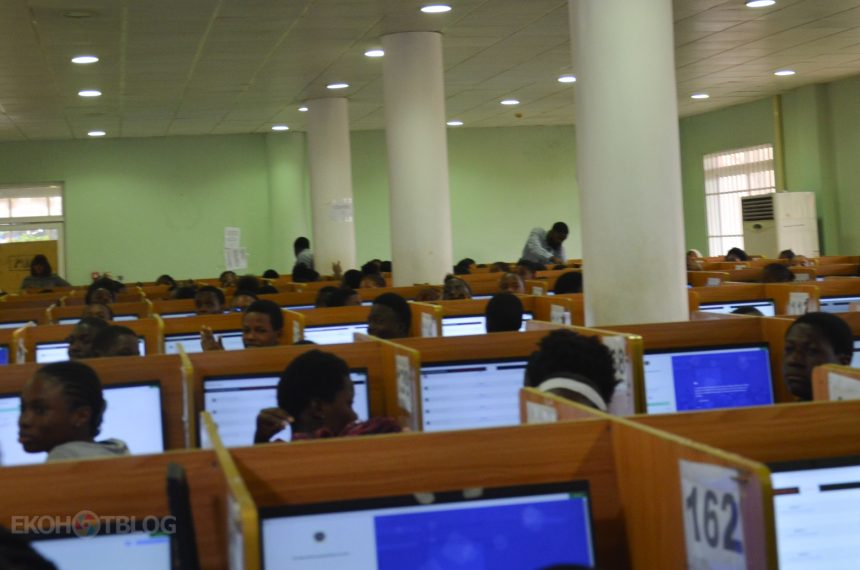
- The move to CBT by examination bodies such as WAEC and NECO is in line with existing government directives
- The government could no longer ignore the culture of cheating that had taken root in external examinations
- The new system would compel students to return to serious study habits
The Minister of Education, Dr. Tunji Alausa, has dismissed concerns that the adoption of computer-based testing (CBT) for public examinations would negatively affect students in rural communities, assuring Nigerians that the policy is designed to promote fairness, curb malpractice, and strengthen the nation’s education system.
Eko Hot Blog reports that the minister gave the assurance during an inspection of the ongoing November/December WAEC GCE examinations at the Lagos State WAEC Training and Testing Centre in Ogba, Lagos, responding to questions about mixed reactions from students and parents over the new testing format.
EDITOR’S PICK
- Protests Erupt In Guinea Bissau As Citizens Demand Release Of Detained Opposition Leaders
- ECI, Eko Club London, Lola Ogbara-Alogba, T.J. Abass, OJ Lawal, and Others Mourn the Passing of Titilola Dosunmu
- First Northern Nigeria Education Professor Dies at 94
According to the minister, the move to CBT by examination bodies such as WAEC and NECO is in line with existing government directives and global best practices. He noted that Nigeria has already implemented CBT successfully for years through JAMB, stressing that the transition was necessary due to decades of widespread examination malpractice.

He said the government could no longer ignore the culture of cheating that had taken root in external examinations, adding that many centres had previously been sanctioned after irregularities were detected. While acknowledging that such cancellations sometimes affected innocent candidates, the minister maintained that safeguarding the credibility of certificates must take priority.
The minister recalled interacting with candidates whose previous results were cancelled due to malpractice, describing it as clear evidence of why reforms were unavoidable. He stressed that the new system would compel students to return to serious study habits and restore the values of discipline and hard work.
Addressing concerns about access in rural areas, the minister explained that the government is deploying tablet-based testing solutions that do not rely on internet connectivity or public electricity supply. He said the devices can be powered with solar energy and function like traditional pen-and-paper exams, making them suitable for remote communities.
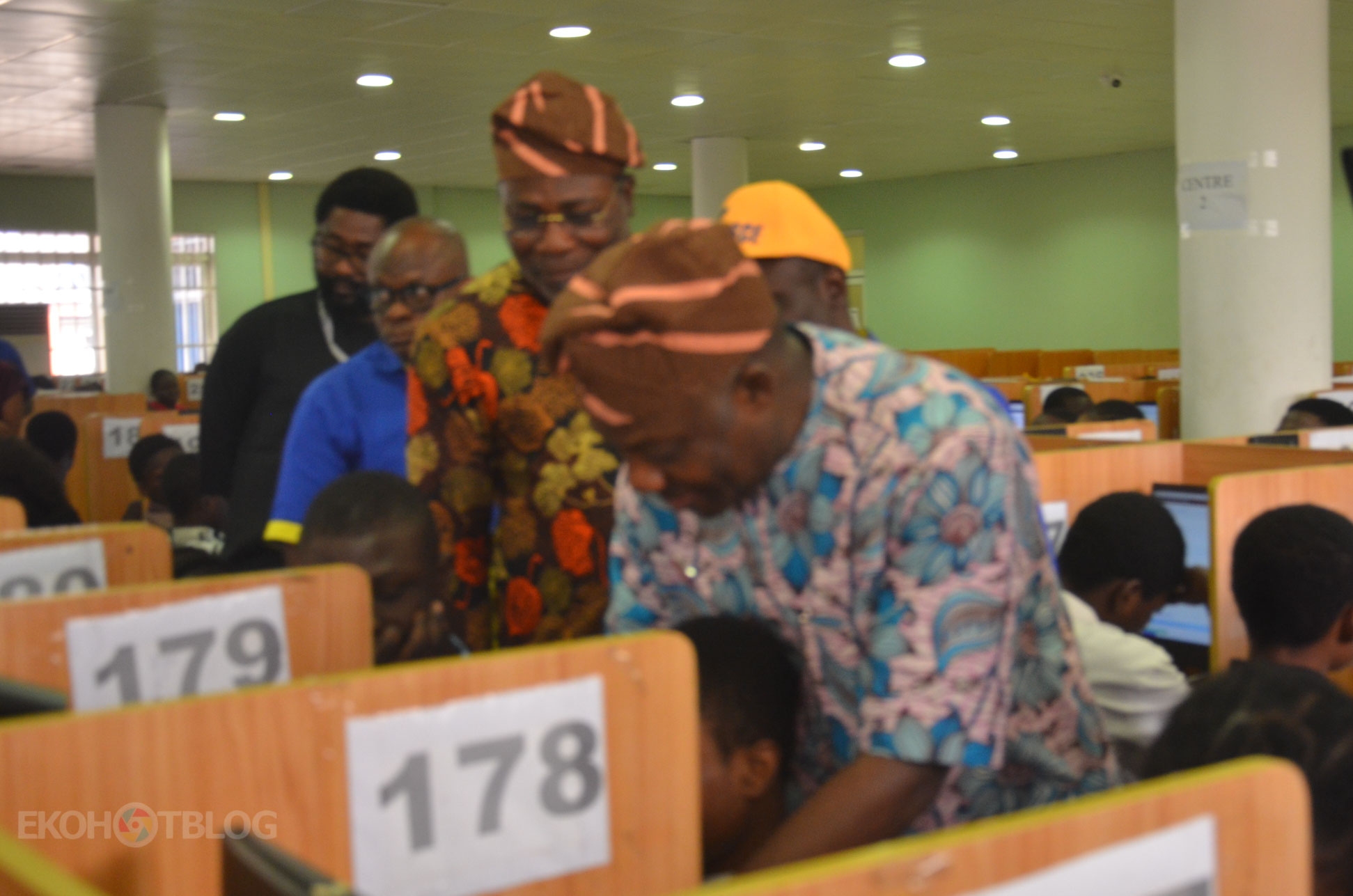
He added that artificial intelligence is also being introduced to assist examiners in marking essay scripts by identifying candidates’ lines of thought, thereby improving fairness and accuracy in assessment.
The Minister also highlighted state-level initiatives supporting the program. For instance, Borno State has deployed over 250,000 computers in secondary schools, with each school equipped with solar-powered systems to ensure uninterrupted access.
“We are asking all governors to invest in their students’ future by providing similar facilities. He said such investments are critical to the future of students and align with the broader goal of expanding digital literacy nationwide.
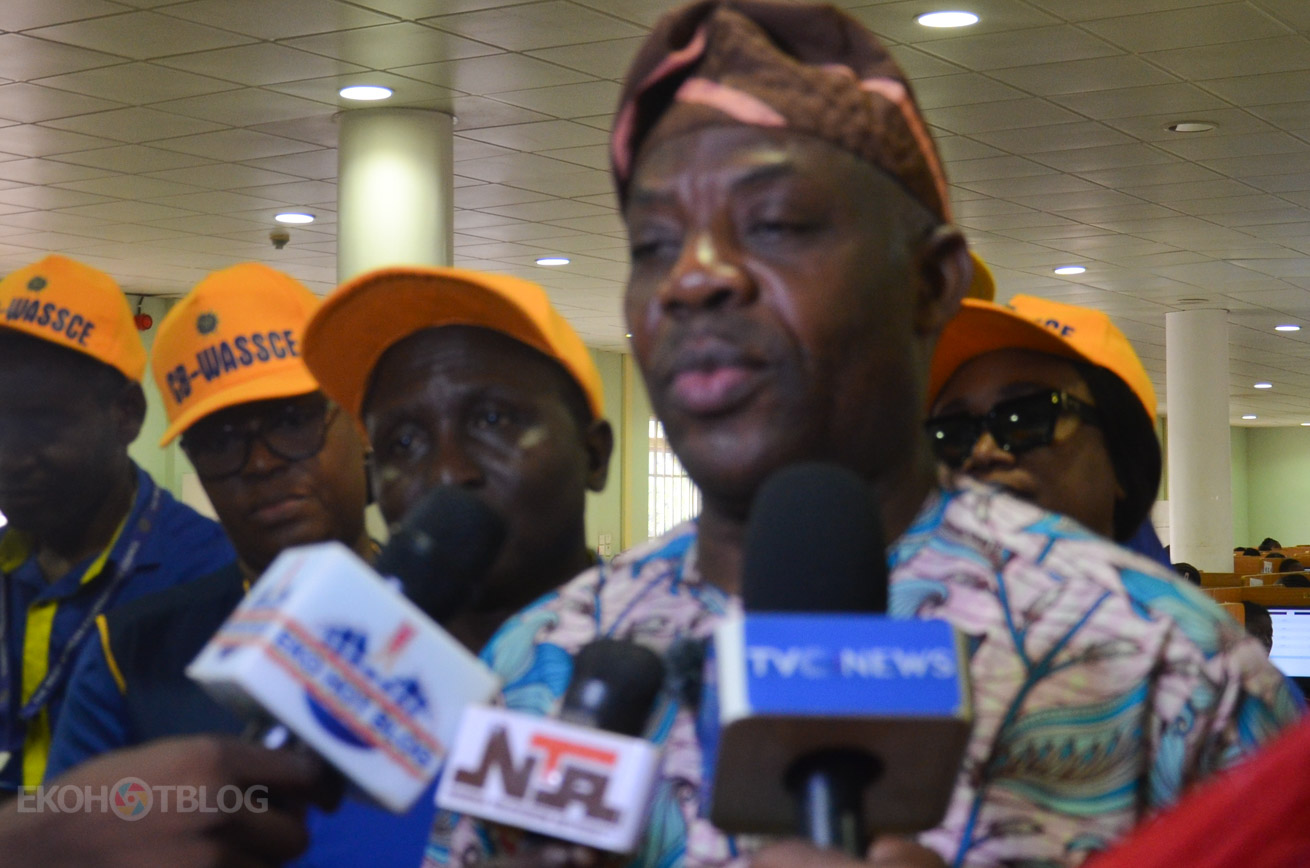
On collaboration, the minister said the Federal Ministry of Education is working closely with state governors, the National Assembly, and other stakeholders to ensure smooth implementation of the reforms. He dismissed opposition to CBT as coming largely from individuals who benefited from examination malpractice.
The minister also linked the reforms to the administration’s human capital development agenda, noting that increased budgetary allocations to education under President Bola Ahmed Tinubu reflect the government’s commitment to preparing Nigerian youths for global competitiveness.
He expressed satisfaction with the conduct of candidates during the inspection, observing improved seriousness among students and a noticeable decline in examination malpractice, adding that the reforms would be sustained in the long term to protect the integrity of Nigeria’s education system.
FURTHER READING