- Protests Erupt In Guinea Bissau As Citizens Demand Release Of Detained Opposition Leaders
- ECOWAS suspends Guinea Bissau, considers further sanctions
- Junta announces twelve month transition to civilian rule
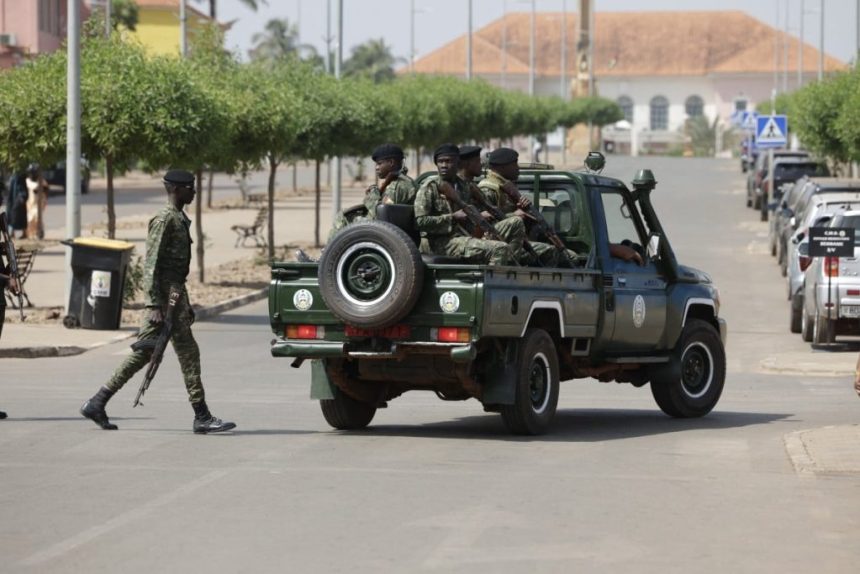
Hundreds of residents on Friday flooded the streets of Bissau, the capital of Guinea Bissau, to protest last month’s military coup and demand the immediate release of detained opposition figures, including Domingos Pereira, leader of the African Party for the Independence of Guinea and Cape Verde.
EDITOR’S PICKS
- Trump Says Zelenskyy Stalling U.S. Peace Plan
- Oluremi Tinubu Predicts Nigeria’s Rise to Prosperity
- Why Nigeria’s Military Helped Foil Coup Attempt in Benin Republic
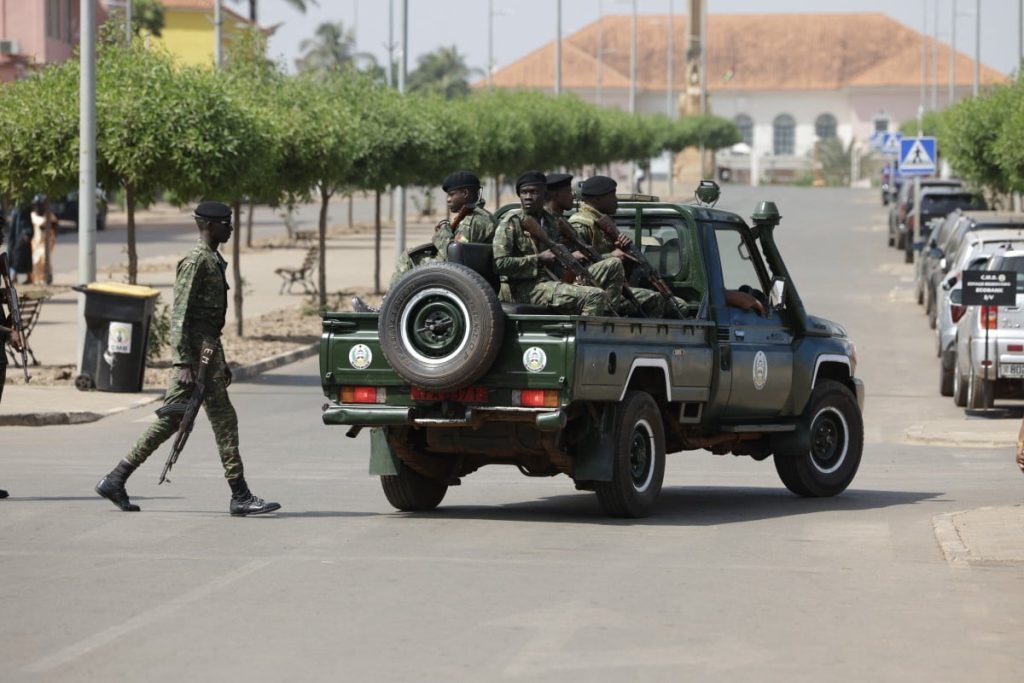
EKO HOT BLOG reports that the protest later degenerated into clashes with security forces, as demonstrators accused the military junta of suppressing democratic rights and holding opposition leaders without due process.
The demonstration comes amid rising domestic and international pressure on the military authorities to restore constitutional order in the Portuguese speaking West African country.
The military seized power shortly after the presidential election and only hours before the electoral commission was expected to announce the official results. Both the incumbent president, Umaro Embaló, and his main challenger, Fernando Dias da Costa, had earlier declared victory.
Following the takeover, the coup leaders installed Major General Horta Inta a as interim leader, a move that sparked widespread condemnation within the country and beyond.
In response, the Economic Community of West African States suspended Guinea Bissau from the regional bloc. The decision followed an emergency virtual summit of ECOWAS heads of state and government.
The regional body said it would continue to monitor developments and is expected to meet again on Sunday to consider further actions, including possible sanctions.
Meanwhile, the military authorities have unveiled a transitional charter outlining a 12 month roadmap to a return to civilian rule. The document bars the interim leader and his appointed prime minister from contesting in the next general elections.