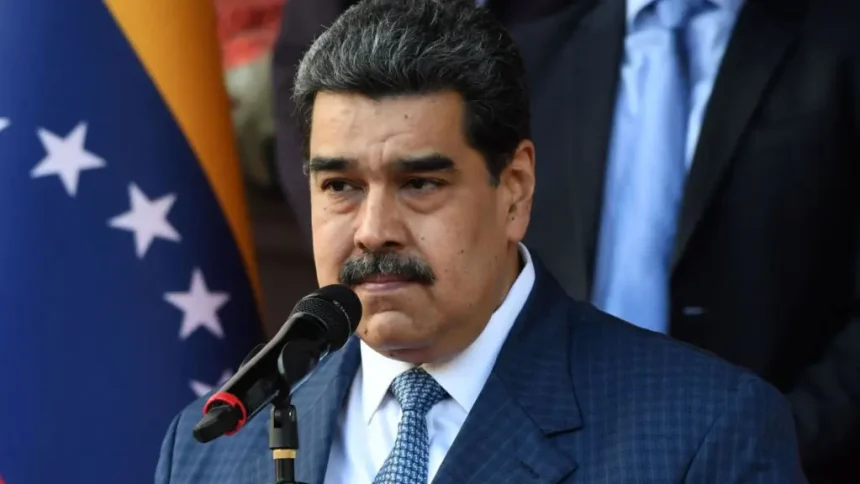
- Maduro is currently being held at the Metropolitan Detention Center in Brooklyn, a high-security facility with a controversial reputation
- the case has reignited debate over America’s posture toward Venezuela, particularly its energy sector
- Legal representatives of the former president are preparing to challenge the circumstances surrounding his arrest
Deposed Venezuelan leader Nicolás Maduro is expected to step into a United States federal court on Monday, marking his first formal legal appearance since being captured and transferred to New York by U.S. authorities over alleged narco-terrorism offences.
Eko Hot Blog reports that Maduro, alongside his wife, will appear before a judge for an initial procedural hearing, a development that signals the beginning of what is projected to be a lengthy legal confrontation over Washington’s right to prosecute a former foreign leader on American soil.
EDITOR’S PICK
- DDG Says Streaming Pays More Than Music
- NRC Records Massive Passenger Turnout as 50 Percent Festive Fare Discount Ends
- SERAP Urges Tinubu to Probe Alleged ₦128bn Power Funds
Legal representatives of the former president are preparing to challenge the circumstances surrounding his arrest, insisting that Maduro enjoys immunity as a sitting head of state.
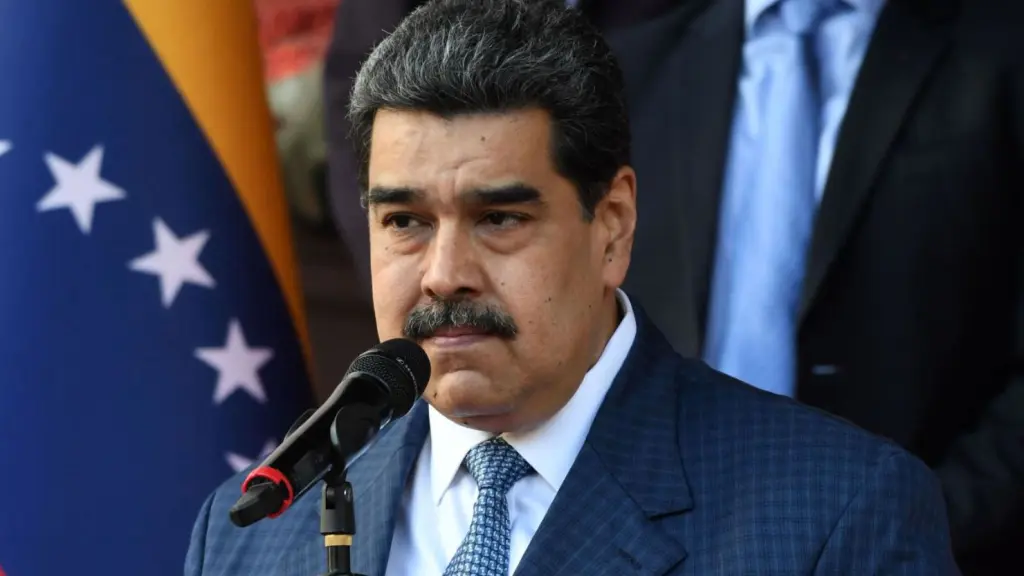
However, U.S. authorities maintain that he does not qualify for such protection, as Washington no longer recognises him as Venezuela’s legitimate leader following the disputed 2024 election.
Maduro, his wife, their son, and several associates are facing serious allegations of collaborating with international drug trafficking networks to move massive quantities of cocaine into the United States. If found guilty, the charges carry the possibility of life imprisonment under U.S. law.
Beyond the courtroom drama, the case has reignited debate over America’s posture toward Venezuela, particularly its energy sector.
U.S. Secretary of State Marco Rubio recently clarified that Washington has no intention of administering Venezuela’s internal affairs, aside from enforcing an existing oil embargo, a statement seen as a retreat from earlier remarks suggesting direct U.S. control.
Meanwhile, Venezuela’s interim leadership has struck a softer tone. Vice President Delcy Rodríguez, who initially condemned Maduro’s capture as an outrage, has since called for cooperative engagement with the United States, a shift that followed warnings from former President Donald Trump over potential consequences for non-compliance.
Maduro is currently being held at the Metropolitan Detention Center in Brooklyn, a high-security facility with a controversial reputation.
The jail has previously housed several high-profile inmates and has faced repeated criticism over its conditions.
Despite his political status, legal experts note that Maduro will be treated like any other defendant within the U.S. justice system, including the right to a jury trial.
Analysts have drawn parallels to the 1990 arrest of former Panamanian ruler Manuel Noriega, who unsuccessfully argued head-of-state immunity after being captured by U.S. forces.
As proceedings unfold, the case is expected to test the limits of international law, diplomatic recognition, and the reach of U.S. courts in prosecuting foreign political figures.
FURTHER READING