- Mexico has emerged as a minor alternative supplier, available data suggests the volumes are far from sufficient to replace Venezuelan crude
- Cuban President Miguel Díaz-Canel rejected Trump’s remarks, stressing that Cuba would not be coerced into negotiations
- shipping records show that Venezuelan crude exports to Cuba have completely stopped, cutting off the island’s largest source of fuel
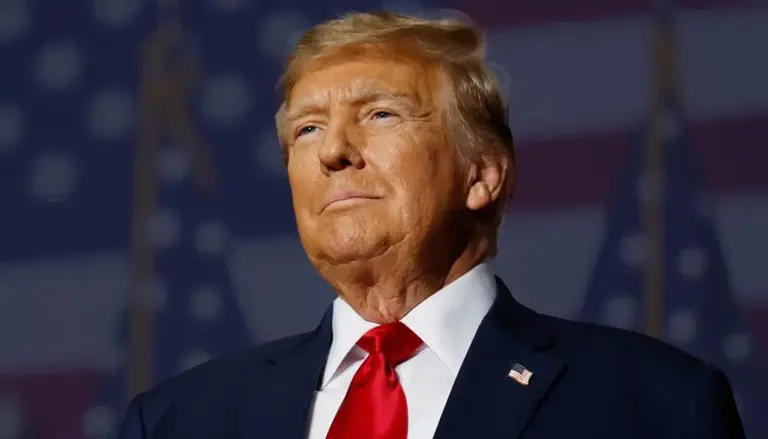
U.S. President Donald Trump has intensified pressure on Cuba by declaring that the island will no longer benefit from Venezuelan oil supplies or financial support, urging Havana to enter into negotiations with Washington or face deeper isolation.
Eko Hot Blog reports that Trump made the declaration on Sunday via his Truth Social platform, insisting that the era of Cuba relying on energy and economic backing from Venezuela was over and warning that the communist government should act quickly to avoid harsher consequences.
EDITOR’S PICK
- DDG Says Streaming Pays More Than Music
- NRC Records Massive Passenger Turnout as 50 Percent Festive Fare Discount Ends
- SERAP Urges Tinubu to Probe Alleged ₦128bn Power Funds
The statement comes amid major shifts in regional politics following the U.S. capture of Venezuelan President Nicolás Maduro earlier this year and the enforcement of a strict oil blockade on Caracas.
Since then, shipping records show that Venezuelan crude exports to Cuba have completely stopped, cutting off the island’s largest source of fuel.
At the same time, Washington and Caracas are reportedly advancing talks on a multi-billion-dollar oil supply agreement that would allow Venezuelan crude into the U.S. market under Treasury-supervised arrangements, signaling a dramatic realignment in U.S.–Venezuela relations.
Reacting swiftly, Cuban President Miguel Díaz-Canel rejected Trump’s remarks, stressing that Cuba would not be coerced into negotiations.
He described the country as sovereign and accused the United States of decades-long aggression, vowing that Cuba would continue to defend itself despite mounting pressure.
Cuban Foreign Minister Bruno Rodríguez also dismissed claims that Havana had traded security services for oil or financial benefits, maintaining that Cuba has the right to import fuel from any willing partner and would not surrender that right under threats.
Cuba’s dependence on imported fuel has left it especially vulnerable, as chronic power outages, fuel shortages, and declining refinery capacity continue to cripple daily life.
Although Mexico has emerged as a minor alternative supplier, available data suggests the volumes are far from sufficient to replace Venezuelan crude.
On the streets of Havana, reactions remain mixed. While some citizens expressed defiance, others openly acknowledged the severity of the crisis, with prolonged blackouts, food scarcity, and medical shortages pushing many to demand urgent reforms as living conditions continue to deteriorate.
FURTHER READING