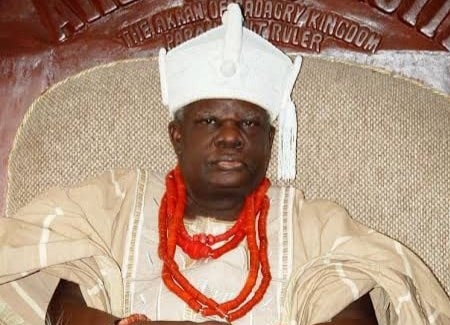
The Akran of Badagry, Oba Babatunde Akran, has died at the age of 89, bringing to an end nearly five decades of traditional leadership and a lifetime that spanned journalism, politics and public service.
The revered monarch passed away on Sunday, January 12, 2026, after a brief illness, drawing tributes from across Lagos State and beyond for a life widely regarded as one of uncommon versatility and impact.
EDITOR’S PICKS
Before ascending the throne, Oba Akran built a distinguished career that cut across Nigeria’s media, legislative and executive spheres. Born on September 18, 1936, into a notable Badagry family, he was exposed early to leadership and public affairs. His educational journey took him to some of the country’s most prominent institutions, including St Gregory’s College, Obalende, and King’s College, Lagos, where he developed the intellectual grounding that later shaped his professional life.
He first came to national attention as a journalist, working with leading newspapers of his era such as the West African Pilot, Daily Sketch and New Nigeria. In newsrooms where journalism doubled as a tool for political education and social mobilisation, Akran rose through the ranks, earning a reputation for discipline, clarity of thought and commitment to public interest reporting.
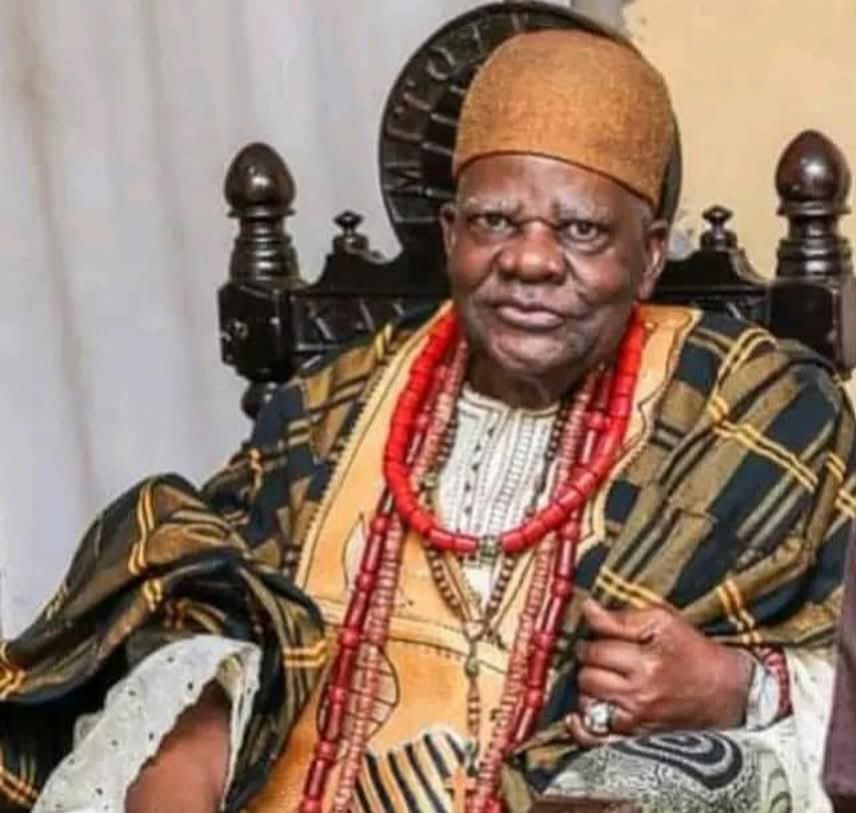
His transition into politics followed naturally. In the early 1950s, he was elected to parliament to represent Badagry and became an active member of the Action Group during Nigeria’s formative pre-independence years. He later served in key ministerial positions in the old Western Region, including roles connected to local government, economic planning and finance, placing him among the generation of politicians that helped lay the administrative foundations of modern southwestern Nigeria.
Despite his national engagements, Badagry remained central to his identity. He was deeply involved in community development initiatives and played a role in the establishment of Badagry Grammar School in 1955, the area’s first secondary school, underscoring his long-standing belief in education as a driver of progress.
Oba Akran ascended the throne on April 23, 1977, following approval by the Lagos State Executive Council, adopting the title De Wheno Aholu Menu-Toyi I. His reign, which lasted close to 49 years, made him one of the longest-serving traditional rulers in Lagos State. As Akran, he blended his experience in modern governance with traditional authority, positioning the Badagry stool as both a custodian of culture and a voice in contemporary policy conversations.
He also served as the Permanent Vice-Chairman of the Lagos State Council of Obas and Chiefs, a role that placed him at the heart of traditional governance in the state. Throughout his reign, he was known for promoting peace, preserving Badagry’s rich cultural heritage and advocating greater recognition of the town’s historical importance as a former slave port and one of the earliest centres of Western education and Christianity in Nigeria.
In recognition of his service, Oba Akran was awarded the national honour of Officer of the Order of the Federal Republic (OFR) in 1981 and received honorary academic distinctions, including a Doctor of Laws degree.
FURTHER READING
With his death, Badagry has lost not just a monarch, but a rare figure whose life bridged the newsroom, the legislature and the palace.
Philip Ibitoye is a Special Correspondent with EKO HOT BLOG. Click here to find daily analysis and critical insight on trending issues in Lagos and other parts of Nigeria.
Click here to watch the video of the week below: