- Trump warned that any country maintaining economic ties with Iran would face a blanket 25 per cent tariff on all trade
- The White House has yet to release a detailed list of affected countries or clarify which imports may face the heaviest penalties
- Trump recently claimed Iranian officials had reached out to discuss negotiations
The United States has escalated economic pressure on Iran as President Donald Trump announced a sweeping new trade measure targeting countries that maintain commercial relations with Tehran.
Eko Hot Blog gathered that the directive introduces a 25 per cent tariff on goods entering the U.S. from any nation found to be doing business with Iran, a move aimed at tightening Iran’s economic isolation amid growing internal unrest.
EDITOR’S PICK
- Dollar to Naira Exchange Rate Tuesday, 13 January 2026
- Lagos Assembly Approves ₦4.44 Trillion Budget for 2026
- NANS Mobilises Nationwide Protest Over Tax Reform Law
President Trump made the announcement on Monday via social media, declaring that the tariff takes immediate effect, although he did not clearly define what activities would qualify as “doing business” with the Islamic Republic.
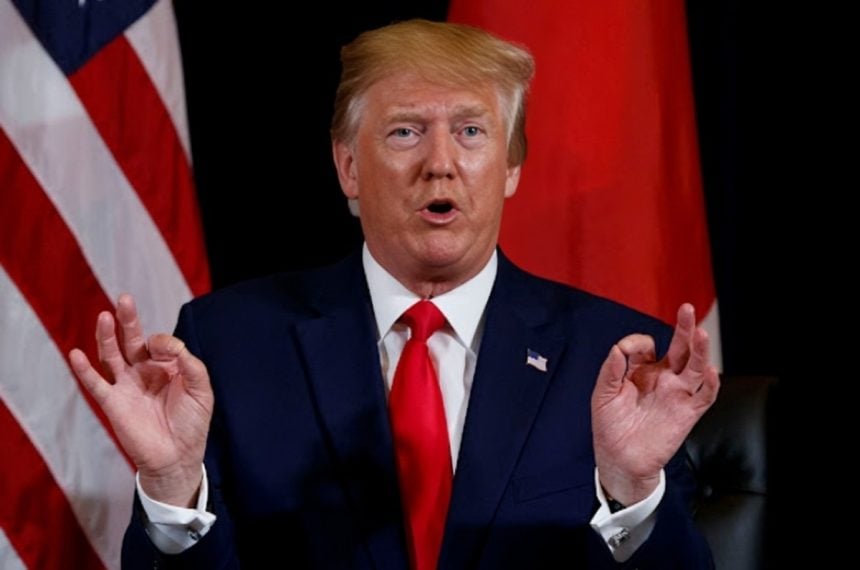
The declaration signals a hardening stance as protests against Iran’s leadership stretch into a third consecutive week.
China remains Iran’s biggest trading partner, followed by countries such as Iraq, the United Arab Emirates, Turkey and India, raising questions about how widely the new tariff could ripple across global trade.
The White House has yet to release a detailed list of affected countries or clarify which imports may face the heaviest penalties.
In a strongly worded post on Truth Social, Trump warned that any country maintaining economic ties with Iran would face a blanket 25 per cent tariff on all trade conducted with the United States. He stressed that the decision was final, reinforcing Washington’s determination to confront Tehran through economic means.
The tariff announcement comes against the backdrop of widespread protests in Iran, triggered initially by the sharp decline of the national currency, the rial, and worsening economic conditions.
Discontent has since expanded into broader opposition to the country’s political leadership, posing one of the most serious legitimacy challenges in recent years.
According to the U.S.-based Human Rights Activist News Agency, hundreds of protesters and dozens of security personnel have reportedly died since the unrest began, while thousands have been arrested.
Independent verification has become increasingly difficult due to a near-total internet blackout that has restricted information flow and limited international media access.
The Trump administration has also adopted an aggressive rhetorical posture, with the White House indicating that military options remain under consideration should the situation deteriorate further.
Trump recently claimed Iranian officials had reached out to discuss negotiations, but suggested that Washington might act before any formal talks take place.
Iran’s economic crisis has been compounded by long-standing international sanctions linked to its nuclear programme, alongside domestic issues such as corruption and policy failures.
Over the past year, the rial has plunged to record lows, inflation has climbed above 40 per cent, and the cost of basic goods has surged, intensifying public frustration and fueling continued protests across the country.
FURTHER READING
- Akpabio Assures Nigerians of Strong Institutions in 2026
- NJC Screens Out 34 Judge Nominees Over Integrity Issues
- Yuletide Season: Lagos Calls for Responsible Waste Disposal
CLICK HERE TO WATCH VIDEO OF THE WEEK