- Museveni has acknowledged the existence of corruption within government but insists offenders have faced prosecution
- His administration has been praised for progress against HIV/AIDS and for ending the brutal insurgency
- Museveni’s main challenger in the current race is Bobi Wine, a popular musician-turned-politician who has galvanised young voters
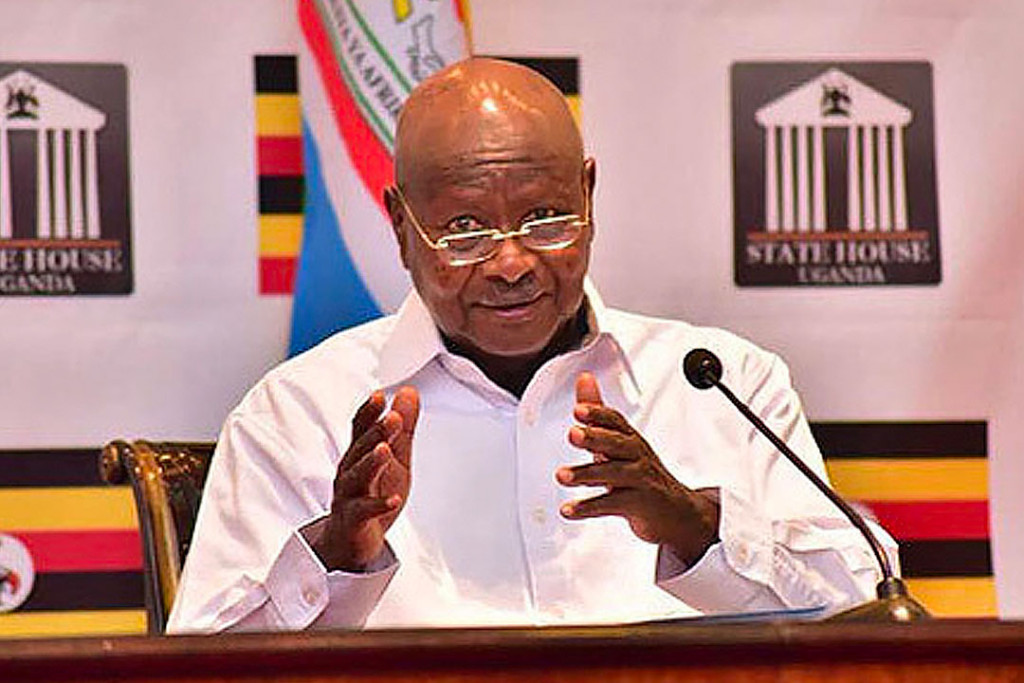
Uganda’s long-serving president, Yoweri Museveni, is seeking another term in office nearly four decades after taking power on promises to end Africa’s culture of leaders clinging to authority.
Eko Hot Blog reports that Museveni, now 81, is contesting for a seventh term in Thursday’s election, extending a rule that began in 1986 and has shaped the political life of a nation where most citizens have never known another leader.
EDITOR’S PICK
- Dollar to Naira Exchange Rate Tuesday, 13 January 2026
- Lagos Assembly Approves ₦4.44 Trillion Budget for 2026
- NANS Mobilises Nationwide Protest Over Tax Reform Law
The former rebel leader came to power after years of insurgency against authoritarian governments, declaring at his inauguration that Uganda’s challenge was leadership, not its people. That early optimism earned him domestic and international support, particularly from Western nations eager for stability in the region.
Over time, however, Museveni’s image as a reformer faded amid growing accusations of corruption, shrinking democratic space and authoritarian governance. Critics argue that corruption has become deeply embedded in the system, eroding public trust and weakening state institutions.
Museveni has acknowledged the existence of corruption within government but insists offenders have faced prosecution. Analysts remain unconvinced, pointing to persistent scandals and a decline in public services despite years of economic reforms.
Internationally, the Ugandan leader has remained a key security partner, aligning with Western priorities by deploying troops to regional conflict zones such as Somalia and South Sudan, while also hosting one of Africa’s largest refugee populations.
In recent years, he has diversified Uganda’s alliances, strengthening ties with China, Russia, Iran and the United Arab Emirates.
At home, his legacy is mixed. His administration has been praised for progress against HIV/AIDS and for ending the brutal insurgency of the Lord’s Resistance Army, but unemployment, poor education outcomes and inequality remain widespread.
UNICEF data shows that only a fraction of children who begin primary school advance to secondary education.
Museveni’s political dominance has been reinforced through constitutional changes, including the removal of presidential term limits in 2005, a move widely criticised as a strategy to extend his stay in power.
Opposition figures have repeatedly challenged election outcomes, alleging irregularities, while authorities deny wrongdoing and security forces suppress protests.
The president has won every election he has contested, often against long-time rival Kizza Besigye, who was arrested in 2024 and now faces treason charges. Museveni has consistently dismissed Western criticism of Uganda’s electoral process, portraying it as external interference.
The discovery of commercial oil reserves has further strengthened his grip on power, with major energy deals signed to build an export pipeline, raising Uganda’s strategic importance.
Museveni’s main challenger in the current race is Bobi Wine, a popular musician-turned-politician who has galvanised young voters and urban populations. Despite this, analysts say Museveni’s victory appears almost certain.
Beyond the election, uncertainty surrounds the question of succession. Attention has increasingly focused on Museveni’s son, Muhoozi Kainerugaba, the army chief, whose rapid rise has fuelled speculation of a dynastic transition.
Observers say the vote is less about who wins and more about the political atmosphere it reveals, as Uganda confronts the reality of a leader who once promised change but now embodies the very permanence he once condemned.
FURTHER READING