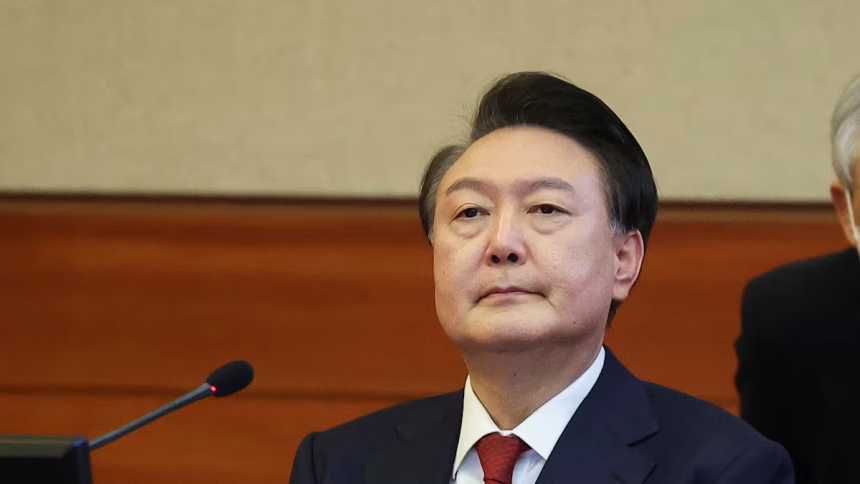
- Yoon has continued to deny all charges, insisting his actions were constitutional
- Yoon’s actions undermined the democratic order and plunged the nation into a constitutional crisis
- The court found that Yoon unlawfully deployed presidential security forces to block his arrest
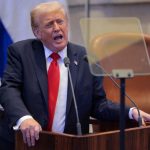
South Korea’s political crisis deepened on Friday as a court sentenced former president Yoon Suk Yeol to five years in prison over his failed attempt to impose martial law, a move that shook the nation and triggered widespread unrest.
Eko Hot Blog gathered that the verdict followed Yoon’s impeachment and removal from office, with the court finding him guilty of abusing presidential powers, obstructing justice, and falsifying official records connected to the controversial 2024 decree.
EDITOR’S PICK
- Dollar to Naira Exchange Rate Tuesday, 13 January 2026
- Lagos Assembly Approves ₦4.44 Trillion Budget for 2026
- NANS Mobilises Nationwide Protest Over Tax Reform Law
Although the martial law declaration was short-lived and swiftly overturned by lawmakers, it plunged South Korea into turmoil, forcing an emergency parliamentary session and sparking mass protests across the country.
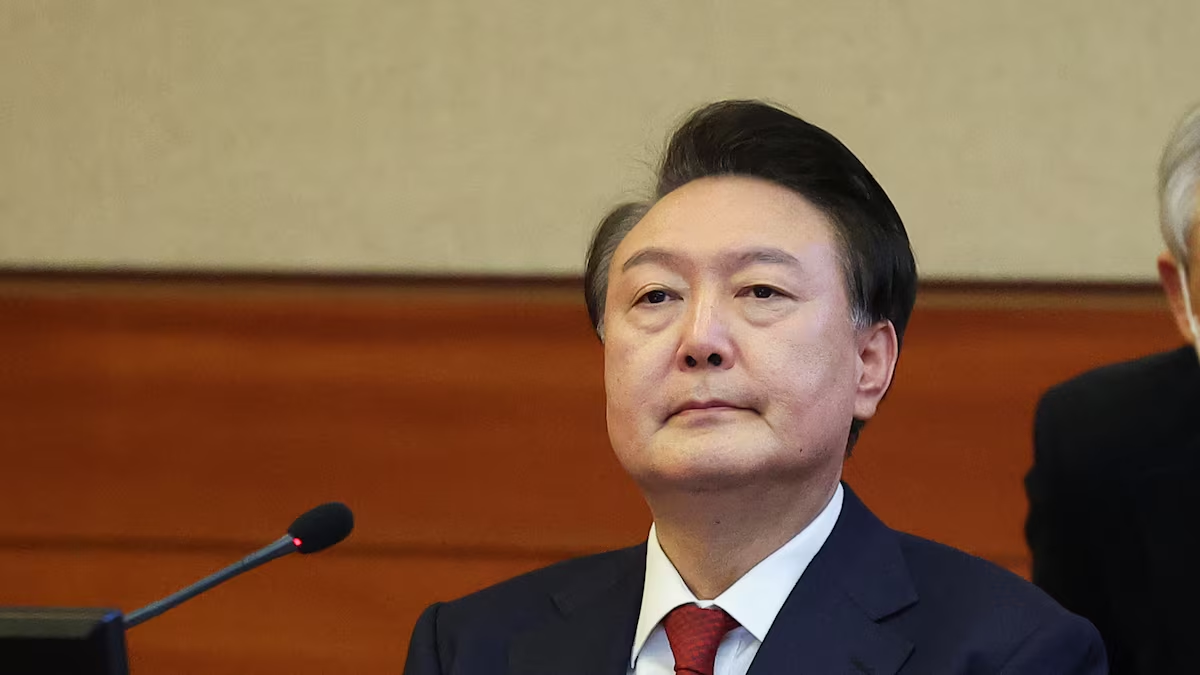
In his ruling, the trial judge said Yoon’s actions undermined democratic order and plunged the nation into a constitutional crisis, adding that the former leader showed no remorse throughout the proceedings.
The judgment represents the first conclusion among four separate criminal cases facing Yoon, with legal analysts viewing it as a signal of how the remaining trials may unfold.
Among the pending charges is insurrection, the most serious accusation against the former president, for which prosecutors are seeking the death penalty. A ruling in that case is expected in February.
During the sentencing, about 100 of Yoon’s supporters gathered outside the courthouse, watching the proceedings on a live screen. While some protested loudly, others stood quietly, reflecting the deep divisions still gripping the country.
The court found that Yoon unlawfully deployed presidential security forces to block his arrest, bypassed full cabinet consultation before declaring martial law, and drafted and then destroyed a false document claiming the decision had been approved by senior officials.
Prosecutors had pushed for a 10-year prison sentence, arguing that Yoon’s refusal to accept responsibility warranted stiff punishment. Both the defence and prosecution now have seven days to file appeals.
Yoon has continued to deny all charges, insisting his actions were constitutional and claiming investigators lacked the authority to arrest or prosecute him.
South Korea has a history of holding former leaders accountable, with ex-president Park Geun-hye previously jailed for corruption before receiving a presidential pardon.
Despite his conviction, Yoon retains a loyal support base that views him as a victim of political persecution, underscoring the deep polarisation shaping South Korea’s political landscape long after his removal from office.
FURTHER READING