- Long Term Effects Of Excess Salt Intake
-
Kidneys and blood vessels suffer gradual long term damage.
-
High salt diets weaken bones and raise stroke risk.
Excessive salt consumption remains a major public health concern, especially in countries where processed and packaged foods are widely consumed.
EDITOR’S PICKS
- Kano: ‘I Will Not Abandon Kwankwaso’ – Gov Yusuf’s Aide Resigns
- 5 Health Risks Men Face After Age 40
- CBN to Introduce New Policy to Regulate Debit Card Issuance, ATM Operations
While salt is essential for nerve and muscle function, long term intake beyond recommended levels places significant strain on vital organs. Health experts warn that the effects often develop gradually and may go unnoticed until serious complications arise.
1. High Blood Pressure And Heart Disease
Consuming too much salt causes the body to retain excess fluid, increasing blood volume and pressure on blood vessels. Over time, this leads to hypertension, which significantly raises the risk of heart attack, heart failure and stroke. Many people with salt induced high blood pressure experience no early symptoms.
2. Kidney Damage And Reduced Function
The kidneys regulate sodium balance in the body. Excess salt forces the kidneys to work harder, gradually damaging filtering units. Prolonged strain can lead to protein loss in urine, reduced kidney function and eventual kidney disease, particularly in people with existing health conditions.
3. Increased Risk Of Stroke
High salt intake contributes to stiffening and narrowing of blood vessels, including those supplying the brain. This increases the likelihood of blood vessel rupture or blockage, leading to stroke. Studies link excessive sodium consumption to both ischemic and haemorrhagic strokes.
4. Bone Weakness And Osteoporosis
Excess salt increases calcium loss through urine. Over time, this weakens bones and raises the risk of osteoporosis and fractures, especially in older adults. This effect is more pronounced when dietary calcium intake is low.
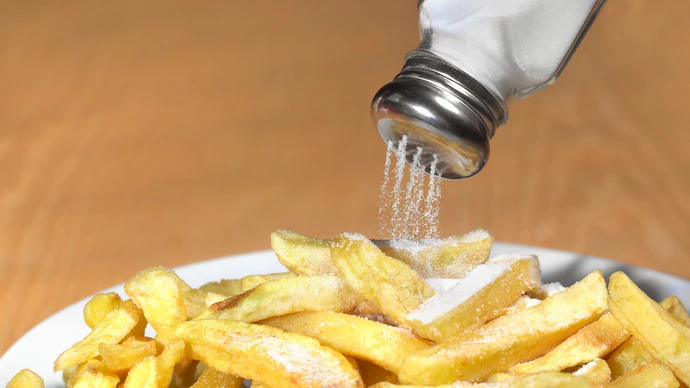
Health authorities recommend limiting salt intake by reducing processed foods, checking nutrition labels and choosing fresh meals. Small dietary changes can significantly lower the long term health risks associated with excess salt consumption.