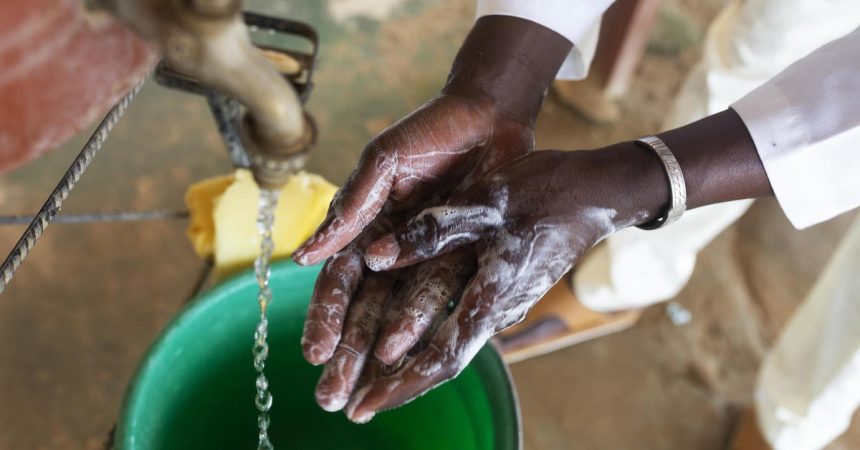
- Hygiene Mistakes That Increase Infection Risk
- Dirty hands and shared items are major infection pathways.
- Simple hygiene practices greatly reduce illness risk.
Good hygiene is one of the simplest and most effective ways to prevent infections. However, many everyday habits that people consider harmless can quietly increase the risk of illness.
EDITOR’S PICKS
- Health Workers Warn as Antivenom Gaps Undermine Snakebite Treatment
- Tinubu Approves ₦40bn Zero-Interest Loans for University Lecturers, Staff
- 5 Health Risks Men Face After Age 40
From skin infections to stomach bugs and respiratory diseases, poor hygiene practices often create easy pathways for germs to spread. Here are six common hygiene mistakes that can significantly raise infection risk.
1. Poor Handwashing Practices
Washing hands quickly without soap or rinsing properly does little to remove germs. Hands should be washed with soap and clean water for at least 20 seconds, especially after using the toilet, before eating, after coughing or sneezing, and after touching shared surfaces. Inadequate handwashing remains a leading cause of preventable infections.
2. Using Dirty Towels and Sponges
Damp towels, bath sponges, and loofahs are ideal breeding grounds for bacteria and fungi. Reusing them for days without washing can transfer germs back onto clean skin. Towels should be washed regularly and dried completely between uses.
3. Ignoring Personal Items Hygiene
Items like mobile phones, earphones, makeup brushes, toothbrush holders, and water bottles are often overlooked. These items come into frequent contact with hands, mouth, and face, allowing bacteria to accumulate and spread infections if not cleaned regularly.
4. Improper Food Hygiene
Skipping handwashing before cooking, using the same cutting board for raw and cooked foods, or storing food improperly can lead to foodborne infections. Bacteria such as Salmonella and E. coli thrive under these conditions and can cause serious illness.
5. Poor Oral Hygiene
Infrequent brushing and flossing allow bacteria to build up in the mouth, leading to gum disease and tooth infections. Oral infections can spread beyond the mouth, increasing the risk of heart and systemic infections over time.
6. Touching the Face with Unclean Hands
The eyes, nose, and mouth are direct entry points for germs. Frequently touching the face without clean hands increases the chances of respiratory and viral infections, especially during outbreaks.
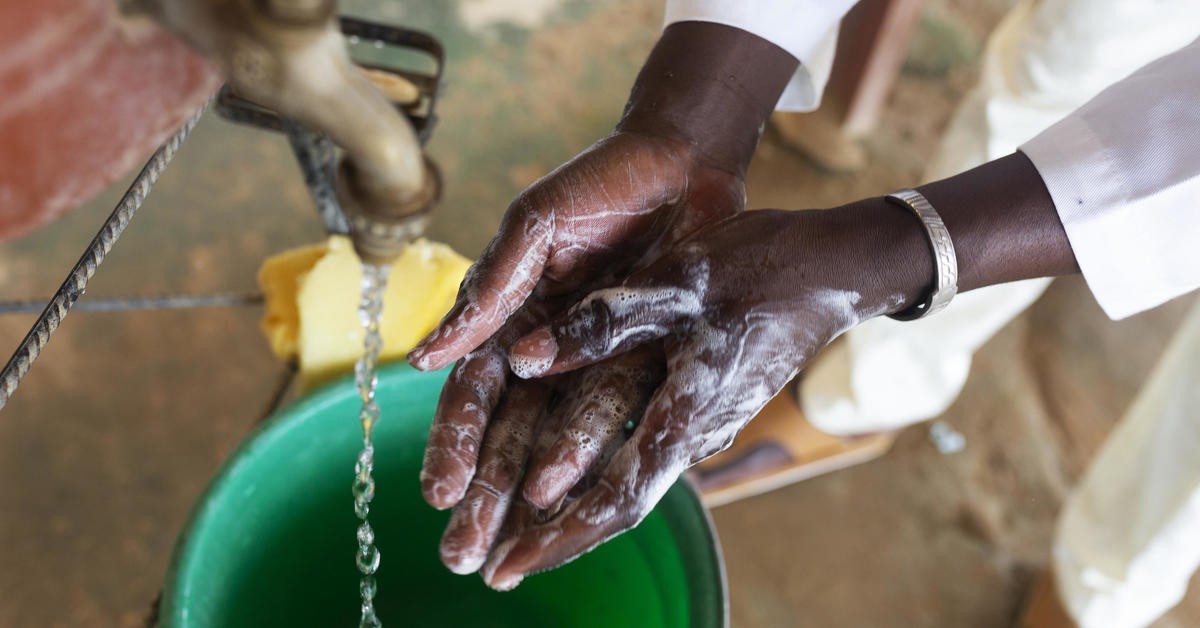
Practising proper hygiene consistently is not about perfection but awareness. Simple habits, when done correctly, play a major role in protecting personal and public health.
FURTHER READING
- Super Eagles Still Hopeful of 2026 World Cup Qualification – Iwobi
- PHOTOS: Kaduna Governor Uba Sani Visits Tinubu in Abuja
- Tinubu Orders Safe Transit Routes to Clear Niger-Bound Cargo