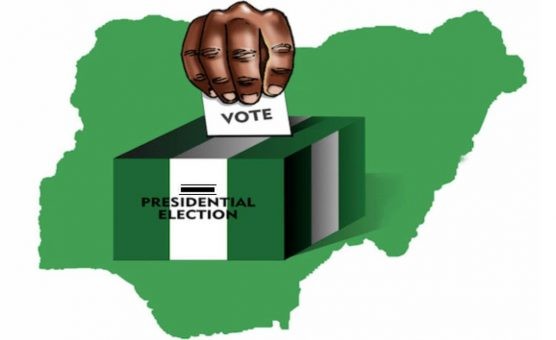
- The National Assembly and INEC are reportedly set to move the 2027 presidential election to January 16, 2027, following nationwide controversy over the initial February schedule.
- The proposed shift would also see governorship elections brought forward to January 30, 2027, to avoid a clash with the Ramadan fasting period.
- An emergency plenary session has been summoned for Tuesday, February 17, 2026, to take “very crucial decisions” regarding the election timetable and the Electoral Act.
The National Assembly and the Independent National Electoral Commission (INEC) have reportedly agreed to move the 2027 presidential election to January 16, 2027, in a reversal of the earlier February 20 date.
Eko Hot Blog reports that the leadership of the legislature and the electoral body reached the decision following extensive consultations to ensure the polls do not conflict with religious observances.
This development comes just hours after both chambers abruptly suspended the harmonisation of the Electoral Act (Amendment) Bill.
EDITOR’S PICK
- Nigerian Police Rescue Bauchi Man Chained By Dad For 17 Years, Arrest Suspect
- After eight years, FG begins N28bn Maiduguri-Monguno road work
- Why Alara of Ilara’s 5-Year Track Record Earned Him the LASU Chancellorship
A senior INEC official, speaking on condition of anonymity, disclosed that the initial February 20 date is no longer tenable.
The move follows heavy criticism from political stakeholders, including former Vice President Atiku Abubakar, who warned that holding elections during Ramadan, projected to run from February 7 to March 8, 2027, could significantly suppress voter turnout among Muslims.
In a notice signed by the Clerk to the National Assembly, Kamoru Ogunlana, lawmakers were directed to reconvene at 11:00 a.m. on Tuesday for an emergency session.
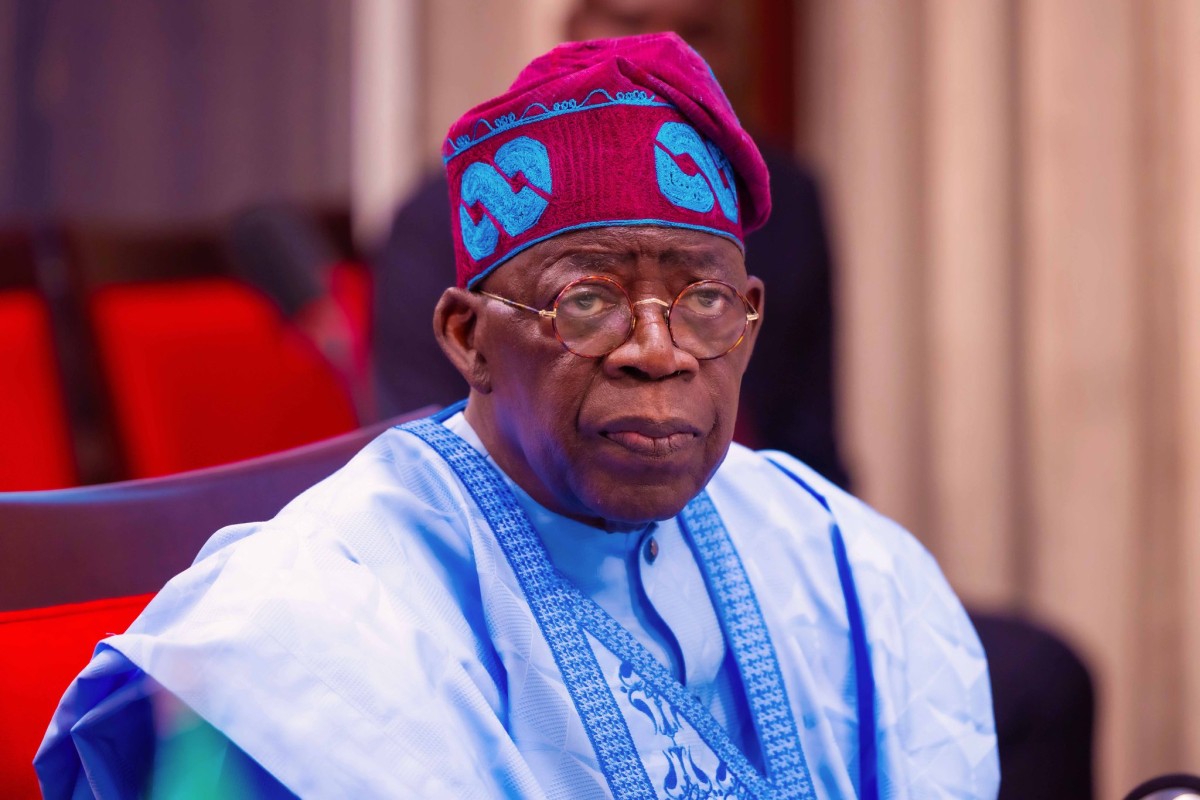
While the official agenda was not disclosed, insiders confirmed that the primary trigger is the reconsideration of the 2027 election timetable.
The conference committee meeting originally scheduled to harmonise differences in the Electoral Act Amendment Bill was subsequently suspended to allow lawmakers to resolve the politically sensitive issue of election dates.
If approved, the January 16 date would rank among the earliest presidential election dates in Nigeria’s Fourth Republic. Lawmakers are expected to debate the proposal formally on the floor to provide legislative backing to the new timetable before returning to other contentious provisions in the amendment bill.
FURTHER READING