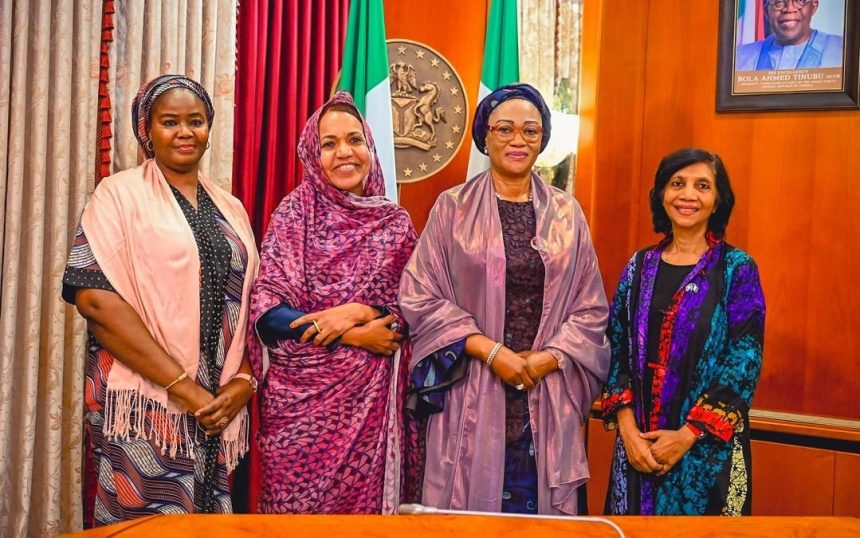
- she praised the First Lady for her leadership in initiatives benefiting children and families nationwide
- Mrs. Tinubu also commended UNICEF for providing accurate data to support government programs
- UNICEF’s announcement comes as part of ongoing efforts to strengthen child protection, legal identity
The United Nations Children’s Fund (UNICEF) has revealed that Nigeria has registered 14 million births over the past two years, significantly improving legal recognition and identity for children across the country.
UNICEF’s Country Representative to Nigeria, Ms. Wafaa Saeed Abdelatef, shared this milestone on Friday during a courtesy visit to the First Lady, Senator Oluremi Tinubu, at the State House in Abuja, Eko Hot Blog reports.
EDITOR’S PICK
- Grand Wedding Reception: Halimot, Saheed Mark Their Union
- Ikosi-Ejinrin LCDA Celebrates Former Chairman, Hon. Segun Adetola, on Birthday
- Sanwo-Olu Flags Off Free Eye Screening for 1,000 Lagos Police Officers
She praised the First Lady for her leadership in initiatives benefiting children and families nationwide.
“Birth registration is the first fundamental right of every child—to be counted and recognized,” Ms. Abdelatef said. “In my career, I have rarely seen such progress in just two years. We now have 14 million registered children, and the system is being digitized at health facilities across the country.”
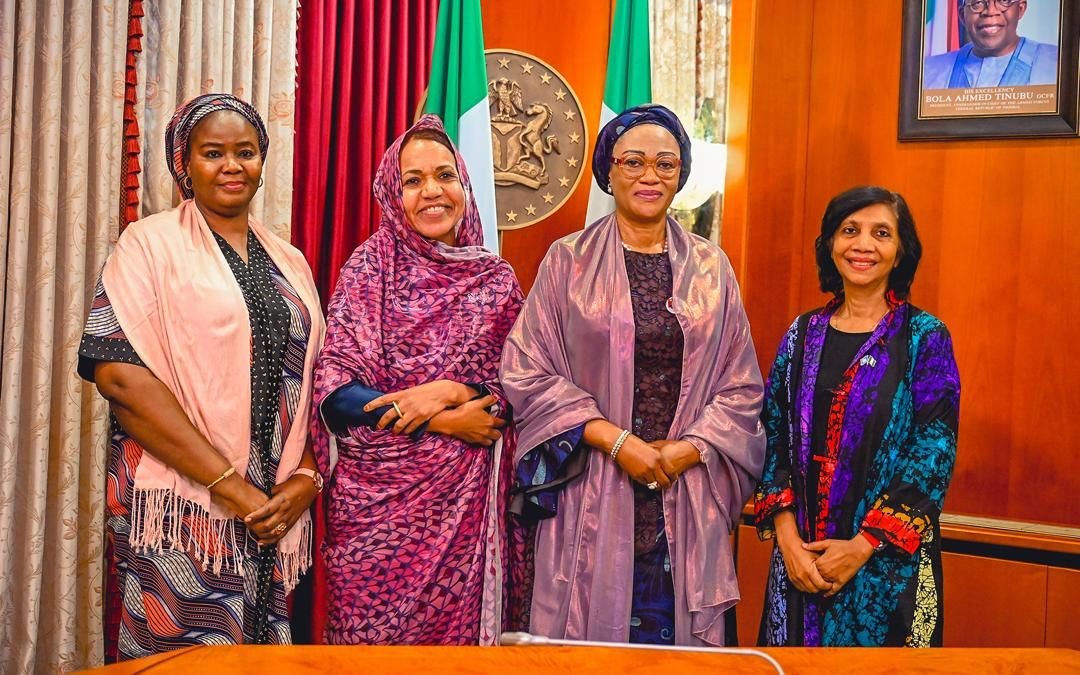
She further highlighted ongoing efforts, including proposed legislation before the National Assembly, and credited strong leadership for the progress. “It is thanks to your guidance that these achievements in birth registration are possible,” she added.
In response, Mrs. Tinubu emphasized the importance of registering every child immediately after birth. “Every child counts,” she said. “Registration ensures that children receive nationality and legal identity, allowing them access to health services and integrating them into the nation’s development.”
The First Lady acknowledged that while Nigeria still faces challenges in child and maternal health, including high rates of tuberculosis and HIV/AIDS, progress in birth registration is a key step toward addressing these issues.
“This is how nations develop. We must continue ensuring that every child is counted, and that birth certificates are issued to provide them with legal recognition,” she said.
Mrs. Tinubu also commended UNICEF for providing accurate data to support government programs and pledged continued collaboration.
“UNICEF’s work has been invaluable in giving us the information needed to make informed decisions for children and families. We will continue to work together to ensure every child in Nigeria is registered,” she stated.
UNICEF’s announcement comes as part of ongoing efforts to strengthen child protection, legal identity, and access to essential services across Nigeria, highlighting the critical role of birth registration in national development.
FURTHER READING