- DisCos Install 677,942 Meters Within One Year
- Over 5.19 million electricity customers remain unmetered nationwide
- Nigeria’s metering rate rises to 57.27 percent in 2025
Nigeria’s electricity distribution companies closed 2025 with a modest improvement in customer metering, as the national metering rate rose to 57.27 per cent, according to fresh data released by the Nigerian Electricity Regulatory Commission.
EDITOR’S PICKS
- Governor Ahmadu Fintiri Defects To APC As Atiku’s Son Refuses To Dump PDP
- Should Governors Have To Join Ruling Party for ‘Greater Federal Support’?
- FEDSA National Pays Courtesy Visit to Lekki LCDA Chairman, Applauds Free JAMB Initiative
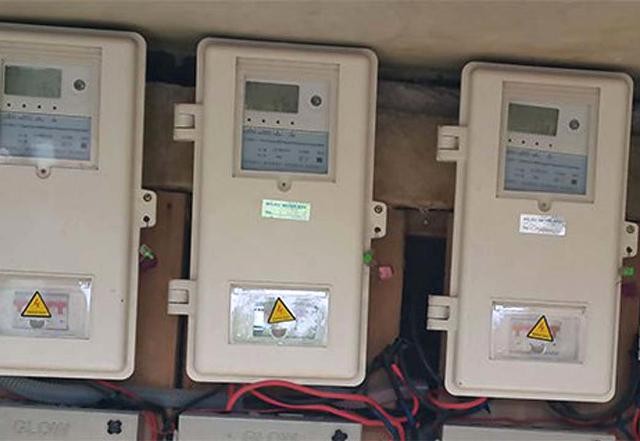
EKO HOT BLOG reports that the figures show that 6,966,584 of the country’s 12,163,412 active electricity customers were metered as of December 2025. This leaves about 5.19 million customers still on estimated billing.
In December alone, distribution companies installed 109,556 new meters, up from 88,592 in November, signalling a stronger push towards year end. Metered customers increased by 677,942 within 2025, compared to 6,288,642 recorded in December 2024. This represents a 10.78 per cent year on year growth.
The national metering rate also improved significantly from 46.57 per cent in December 2024 to 57.27 per cent in December 2025, a rise of 10.7 percentage points. However, the gains were recorded against a shrinking customer base, as active customers declined by 1.34 million within the year.
Performance varied widely among the 11 distribution companies. Ikeja, Eko and Abuja DisCos led in coverage. Ikeja metered 1,130,213 of its 1,308,042 customers, achieving 86.40 per cent coverage. Eko recorded 85.87 per cent, while Abuja posted 77.81 per cent.
Mid tier operators such as Port Harcourt and Benin recorded 64.13 per cent and 53.45 per cent respectively. Others including Jos, Kaduna, Kano and Yola remained below 40 per cent, with Yola at 30.80 per cent.
Consumer advocates say closing the metering gap is critical to restoring trust and improving revenue across the power value chain.
Commenting on the figures, the Executive Director of PowerUp Nigeria, Adetayo Adegbemle, said progress was evident but too slow to eliminate the deficit soon. He called for stronger monitoring of meters being deployed under the Distribution Sector Recovery Programme, financed through a World Bank facility.
Despite the improvement, analysts warn that at the current average of about 100,000 meters monthly, it may take several years to achieve universal metering nationwide.