- Iraq, a founding member of OPEC, is desperately seeking new ways to transport its crude oil after regional hostilities shut down the Strait of Hormuz.
- The country’s oil production and exports have plummeted from a pre-war average of 3.5 million barrels per day, leaving several shipments stranded at sea.
- Baghdad is in high-stakes negotiations with the Kurdistan regional authorities to utilize the Ceyhan pipeline to Turkey, but Kurdish officials are demanding an end to the “dollar embargo” in exchange for cooperation.
The ongoing Middle East war has hit a critical tipping point for Iraq, as the country’s economic lifeblood, oil, remains choked off by the closure of the Strait of Hormuz.
Eko Hot Blog reports that with Iran vowing that “not one litre of oil” will leave the Gulf while its conflict with the United States and Israel persists, Iraqi authorities have admitted they have “no choice” but to bypass the strategic waterway entirely.
EDITOR’S PICK
- 540 Candidates Cleared as Lagos APC Moves to Elect LGA Executives
- Court Sentences Pastor to Death for Killing UniUyo Student
- Lagos Teacher Questions Lack of Recognition for One-Day Governor Mentors
Oil Ministry spokesperson Saheb Bazoun revealed on Tuesday that Iraq’s production and marketing have been “severely impacted.”
This is a catastrophic development for a nation where crude oil sales account for a staggering 90% of budget revenues. Before the outbreak of hostilities, Iraq was a global energy heavyweight, exporting over 3.5 million barrels per day.
Today, that figure has collapsed, leaving the government scrambling to prevent a total economic implosion.
The primary “Plan B” involves a 700,000-barrel-capacity pipeline that runs through the northern Kurdistan region to the port of Ceyhan in Turkey.
Baghdad has reportedly requested to move 200,000 barrels per day (bpd) through this route. However, this escape hatch comes with significant political strings attached.
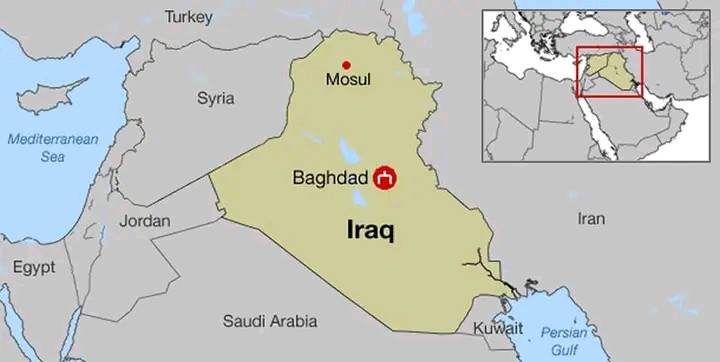
A senior official in the Kurdistan region confirmed to AFP that talks are underway but noted that relief must come to their financial sector first.
“We have made it clear to Baghdad that the relief on dollars should happen first,” the official stated, citing what he described as a “100 percent dollar embargo on Kurdistan” imposed by central authorities earlier this year.
The regional government is essentially using the oil route as leverage to regain access to U.S. currency through Iraqi banks.
Beyond the logistical and political hurdles, the physical safety of Iraq’s oil infrastructure remains in doubt.
Several fields and facilities have already been targeted by drone strikes since the conflict began.
The insecurity has led to a mass exodus of foreign company employees, further stalling production in both federal Iraq and the Kurdistan region.
As storage facilities reach capacity and shipments remain stuck at sea, Iraq is also considering transporting oil by land.
However, experts warn that these alternative methods require significant time to implement, time that Iraq’s fragile economy may not have.
The situation underscores the “catastrophic consequences” for global oil markets previously warned of by Saudi Aramco, as another major producer finds itself effectively sidelined from the global stage.