- the subsidy dropped by ₦39.96 billion, representing an 8.71% decline compared to the ₦458.75 billion recorded in Q3 2025
- During the period under review, government support covered 52.30% of GenCo invoices
- This was slightly lower than Q3 2025, when DisCos paid ₦308.25 billion out of ₦323.70 billion
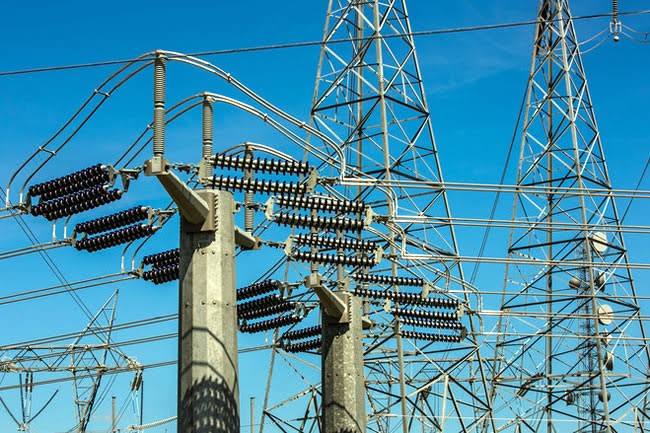
Federal Government recorded a tariff subsidy obligation of about ₦418.79 billion in the fourth quarter of 2025, according to data released by the Nigerian Electricity Regulatory Commission.
In its Q4 2025 quarterly report, the regulator explained that the total invoices issued by generation companies (GenCos) for electricity supplied to distribution companies (DisCos), alongside the Differential Remittance Obligation (DRO)-adjusted invoices from the Nigerian Bulk Electricity Trading Plc, resulted in a subsidy burden that was lower than the previous quarter, Eko Hot Blog gathered.
EDITOR’S PICK
- Interior Ministry Orders Immediate Deactivation of Passports for Former Citizens
- Iran Sets Conditions as US Warns Ahead of Talks
- 7 Things People Over 50 Should Do Every Morning for Better Health
Specifically, the subsidy dropped by ₦39.96 billion, representing an 8.71% decline compared to the ₦458.75 billion recorded in Q3 2025.
During the period under review, government support covered 52.30% of GenCo invoices. This marks a reduction of 6.60 percentage points from Q3 2025, when subsidies accounted for 58.63% of the total.
The improvement was linked to a policy shift that increased the share of electricity allocated to Band A customers from 40% to 45%, a move aimed at enhancing supply quality for consumers and reducing pressure on subsidy funding.
The report also showed that in Q4 2025, NBET issued a DRO-adjusted invoice of ₦386.13 billion to DisCos, while total payments made stood at ₦359.27 billion, translating to a remittance performance of 93.04%.
This was slightly lower than Q3 2025, when DisCos paid ₦308.25 billion out of ₦323.70 billion, reflecting a stronger 95.23% remittance rate.
The regulator noted that in cases where tariffs are not fully cost-reflective, the government bridges the gap between actual cost and allowed tariffs through subsidies.
These subsidies are applied at the generation cost level and reflected in the remittance obligations assigned to DisCos.
Under the market structure, DisCos are also expected to fully remit charges related to transmission and administrative services as billed.
Breakdown of DisCos’ performance showed mixed results across the country. While some operators achieved full remittance to NBET, others recorded varying levels of compliance.
Yola DisCo posted 99.42%, Benin 98.30%, Ibadan 95.58%, Kano 75.14%, Jos 49.80%, and Kaduna 40.73%.
Quarter-on-quarter comparisons indicated improvements in Benin (+3.53 percentage points) and Kaduna (+0.56pp).
However, Kano (-23.60pp), Jos (-15.34pp), Ibadan (-4.42pp), and Yola (-0.58pp) all recorded declines. Meanwhile, Abuja, Eko, Enugu, Ikeja, and Port Harcourt DisCos maintained full 100% remittance performance across both quarters.
FURTHER READING