- FG Records ₦418.79bn Electricity Subsidy Burden in Q4
- Subsidy dropped by 8.71 percent due to increased Band A supply
- DisCos remitted 93.04 percent of ₦386.13 billion invoice
The Federal Government of Nigeria recorded a subsidy obligation of ₦418.79 billion in the fourth quarter of 2025, according to the latest report released by the Nigerian Electricity Regulatory Commission.
The figure underscores the continued financial burden on the government in sustaining the country’s electricity market amid non cost reflective tariffs.
EDITOR’S PICKS
- JAMB Delists 23 CBT Centres, Warns 89 After Mock UTME Review
- NASA Astronauts Return to Earth After First Human Trip to the Moon in 50 Years
- INEC Shifts Nationwide Voter Revalidation Until After 2027 General Election
EKO HOT BLOG reports that in its Q4 2025 report, the commission disclosed that the total invoice from power generation companies, alongside the Differential Remittance Obligation adjusted invoice issued by the Nigerian Bulk Electricity Trading Plc to distribution companies, declined during the period.
The regulator noted that the subsidy dropped by ₦39.96 billion, representing an 8.71 per cent decrease from the ₦458.75 billion recorded in the third quarter of 2025.
Further analysis showed that government subsidy accounted for 52.30 per cent of the total GenCo invoice in Q4, down from 58.63 per cent in the previous quarter.
Explaining the decline, the commission attributed it to increased energy allocation to high paying customers. It noted that supply to Band A customers rose from 40 per cent to 45 per cent, significantly reducing the subsidy burden.
According to the commission, the development aligns with the Federal Government’s policy to improve electricity supply quality while enhancing cost recovery in the sector.
On remittance performance, the report revealed that the DRO adjusted invoice from the Nigerian Bulk Electricity Trading Plc to distribution companies stood at ₦386.13 billion in Q4 2025.
Out of this amount, distribution companies remitted ₦359.27 billion, translating to a remittance performance of 93.04 per cent. This represents a slight decline compared to the third quarter, where ₦308.25 billion was remitted out of ₦323.7 billion, reflecting a 95.23 per cent performance.
A breakdown showed that while several distribution companies met their obligations, others recorded shortfalls, including Yola at 99.42 per cent, Benin at 98.30 per cent, Ibadan at 95.58 per cent, Kano at 75.14 per cent, Jos at 49.80 per cent, and Kaduna at 40.73 per cent.
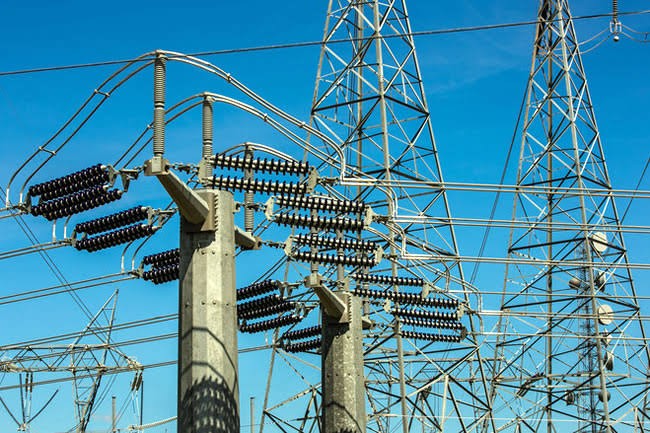
Reiterating the government’s role, the commission stated that in the absence of cost reflective tariffs, the government continues to cover the gap through tariff subsidies.