- Former Vice President Atiku Abubakar has criticized President Bola Tinubu’s economic reforms, describing them as “hardship without relief” that has left many Nigerian families struggling to afford basic meals.
- Atiku accused the current administration of practicing “privatization without accountability” regarding the NNPC, contrasting it with the structured reforms he supervised during his tenure.
- In a sharp escalation of political tension, Atiku’s camp dismissed the President’s recent criticisms of past administrations as “historical amnesia” and a failure to engage with documented economic facts.
Former Vice President Atiku Abubakar has launched a scathing attack on the administration of President Bola Tinubu, asserting that the nation’s current economic trajectory has made the cost of living “unbearable” for the average citizen.
Eko Hot Blog reports that in a statement released Friday, April 17, 2026, by his spokesperson, Phrank Shaibu, the ADC chieftain argued that the President’s reforms have translated into evaporating incomes and relentless inflation.
EDITOR’S PICKS
- JAMB Delists 23 CBT Centres, Warns 89 After Mock UTME Review
- NASA Astronauts Return to Earth After First Human Trip to the Moon in 50 Years
- INEC Shifts Nationwide Voter Revalidation Until After 2027 General Election
“Across the country, families are skipping meals and businesses are shutting their doors,” the statement read.
Atiku contended that while the administration markets these policies as necessary reforms, they offer no clear path to recovery, instead fostering a sense of despair among hardworking Nigerians.
The core of Atiku’s grievance centered on the management of the Nigerian National Petroleum Corporation (NNPC).
He argued that while he has long advocated for the transparent sale of refineries to credible private investors, the Tinubu administration is presiding over a “commercialization in opacity.”
He described the current process as lacking clear valuation and transparency, questioning who truly benefits from the shift.
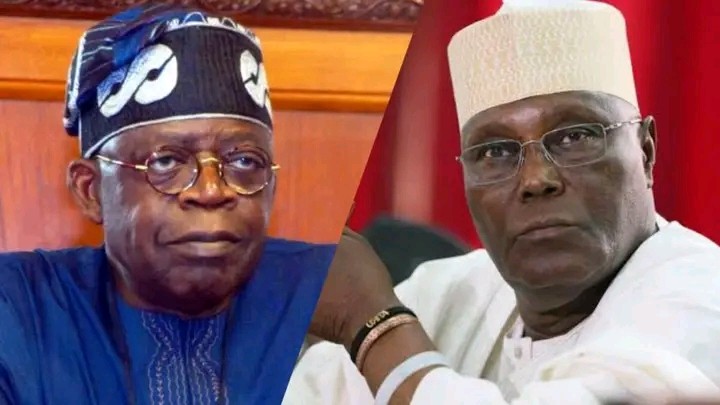
To defend his own record, Atiku listed several successful privatizations from his time in office, including Indorama Eleme Petrochemicals and Transcorp Hilton, noting that those policies unlocked value rather than creating the “shadow version” of reform he claims is currently in play.
The statement also took a deeply personal turn, attacking the President’s academic background and his grasp of Nigeria’s reform history.
Atiku’s camp suggested that if the President were better acquainted with public records, citing Mallam Nasir El-Rufai’s The Accidental Public Servant, he would recognize the structured efforts made by previous administrations to dismantle inefficiency.
“The President’s attempt to reduce a serious economic legacy to playground ridicule only underscores a deeper problem: a leadership more comfortable with insults than with facts,” the statement added.
As the 2027 political cycle begins to loom, this latest exchange highlights a widening rift between the Presidency and the opposition over the soul of Nigeria’s economic future.
While the government maintains its reforms are the “bitter pill” needed for long-term health, Atiku insists the treatment is currently more dangerous than the disease.