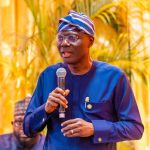
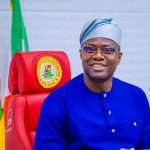
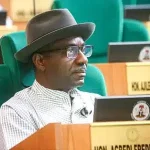
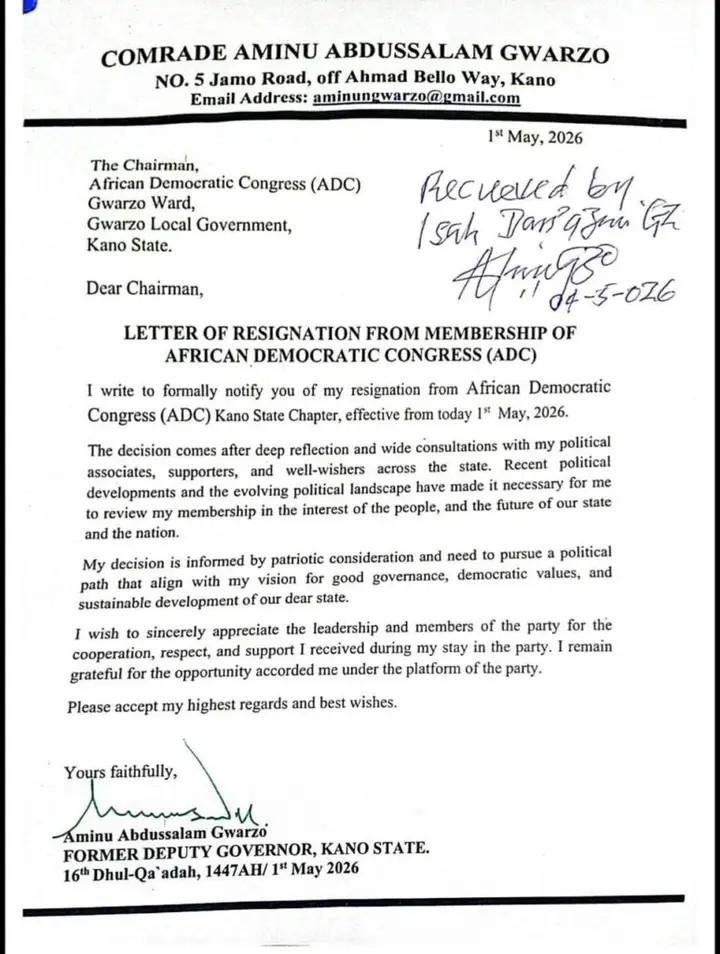
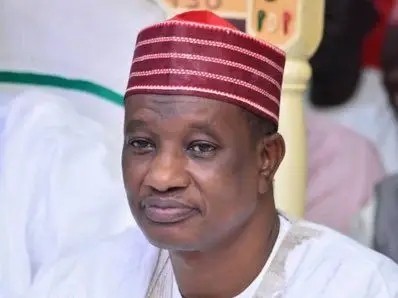
- Aminu Abdulsalam-Gwarzo, the former Deputy Governor of Kano State, has formally resigned from the African Democratic Congress (ADC) effective May 1, 2026.
- Gwarzo attributed his departure to the evolving political landscape and the necessity of charting a new course that aligns with his vision for good governance.
- The decision followed extensive deliberations with political associates and supporters across Kano State as the 2027 general elections approach.
The African Democratic Congress (ADC) has suffered another significant blow to its northern structure as the former Deputy Governor of Kano State, Aminu Abdulsalam-Gwarzo, officially tendered his resignation from the party.
Eko Hot Blog reports that in a letter dated May 1, 2026, and addressed to the ADC Chairman in Gwarzo Local Government Area, the prominent politician stated that his withdrawal from the party took immediate effect.
EDITOR’S PICKS
- JAMB Delists 23 CBT Centres, Warns 89 After Mock UTME Review
- NASA Astronauts Return to Earth After First Human Trip to the Moon in 50 Years
- INEC Shifts Nationwide Voter Revalidation Until After 2027 General Election
He noted that the decision was reached after deep reflection and wide-ranging consultations with his core political base and well-wishers throughout the state.
Gwarzo’s exit is framed as a move driven by patriotic considerations and a desire to seek a political platform that better mirrors his ideals for democratic values and sustainable development.
While he expressed sincere appreciation to the party leadership for the respect and cooperation he received during his tenure, he cited the shifting nature of Nigerian politics as the primary catalyst for his review of membership.
As of the time of his announcement, Gwarzo has not publicly declared which political party he intends to join, though his move is widely viewed as part of the broader realignments occurring ahead of the 2027 polls.
This high-profile resignation coincides with a period of intense internal friction for the ADC.
The party is currently grappling with a leadership crisis characterized by a deepening power struggle between rival factions.
A bloc loyal to former presidential candidate Dumebi Kachikwu recently announced plans for a parallel convention on May 24, 2026, directly challenging the leadership of the faction led by David Mark.
This internal fragmentation has been exacerbated by a Federal High Court judgment in Abuja, which nullified previous congresses conducted by the Mark-led group and restrained the Independent National Electoral Commission (INEC) from recognizing them.
The broader political environment in Nigeria remains equally unsettled as the nation nears the next electoral cycle.
While politicians like Gwarzo shift allegiances, state governors are simultaneously consolidating power by seeking to secure Senate tickets for 2027, often displacing incumbent lawmakers in the process.