- She noted that although some people fear the ex-combatants could return to the bush
- individuals who pass through the Borno rehabilitation model conclude the process by swearing with the Quran
- Despite defending the programme, the commissioner acknowledged that funding remains one of its biggest challenges
Borno State Government has reassured residents that former insurgents who have undergone rehabilitation and deradicalisation are unlikely to return to terrorism after reintegration into society.
Eko Hot Blog reports that the government said one of the major safeguards within the programme is the oath taken on the Quran by the repentant fighters, a step officials believe discourages them from returning to violent activities.
EDITOR’S PICK
- Fani-Kayode, Omokri Oppose Return Of Power To North Before 2031, Endorse Tinubu For 2027
- Putin defends Ukraine war amid NATO aggression claims
- Epe Stakeholders Unite in Massive Endorsement for Wale Raji, Tobun, Tinubu, Others
Speaking during an interview aired on News Central Television on Monday, the Commissioner for Women Affairs and Social Development, Zuwaira Gambo, explained that the oath-taking process carries serious spiritual and moral consequences for participants.
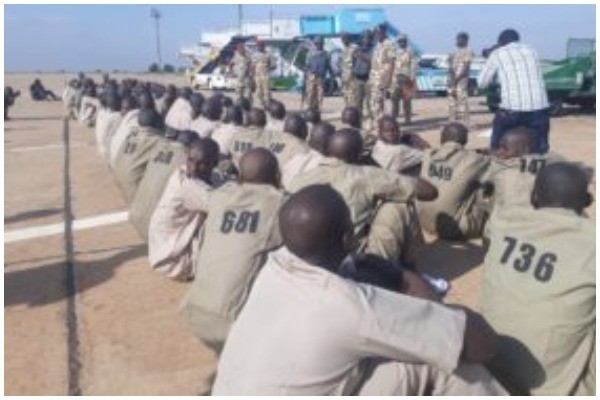
According to her, individuals who pass through the Borno rehabilitation model conclude the process by swearing with the Quran, a commitment she described as binding.
She noted that although some people fear the ex-combatants could return to the bush, those who surrender and later attempt to rejoin terrorist groups often face rejection and severe consequences from the insurgents themselves.
Gambo explained that once a fighter defects and submits to government authorities, extremist groups no longer see such a person as loyal.
Despite defending the programme, the commissioner acknowledged that funding remains one of its biggest challenges.
She said the government faces difficulties providing adequate feeding, clothing, education and other welfare support for the large number of individuals enrolled in the initiative.
Concerns over the Federal Government’s De-radicalisation, Rehabilitation and Reintegration programme, known as Operation Safe Corridor, intensified after 744 former insurgents recently graduated from the scheme.
Most of the beneficiaries were from Borno State, while others came from Adamawa, Yobe, Kano and other parts of the country.
The development sparked widespread public debate, with many Nigerians questioning the transparency of the programme, accountability measures and the possible impact on victims of insurgency.
President of the Nigerian Bar Association, Afam Osigwe, said while rehabilitation policies are not entirely misplaced, communities affected by terrorism should not be ignored in the process.
He argued that reintegrating individuals accused of violence without adequately addressing the suffering of victims could create the impression that offenders were being prioritised over those harmed by insurgency.
Similarly, the Country Director of Amnesty International in Nigeria, Isa Sanusi, called for greater transparency in the programme.
Sanusi stressed that although international law supports the reintegration of repentant fighters, the government should openly disclose the identities of those involved, the roles they played during the insurgency, and the extent of their involvement in terrorist activities.
FURTHER READING