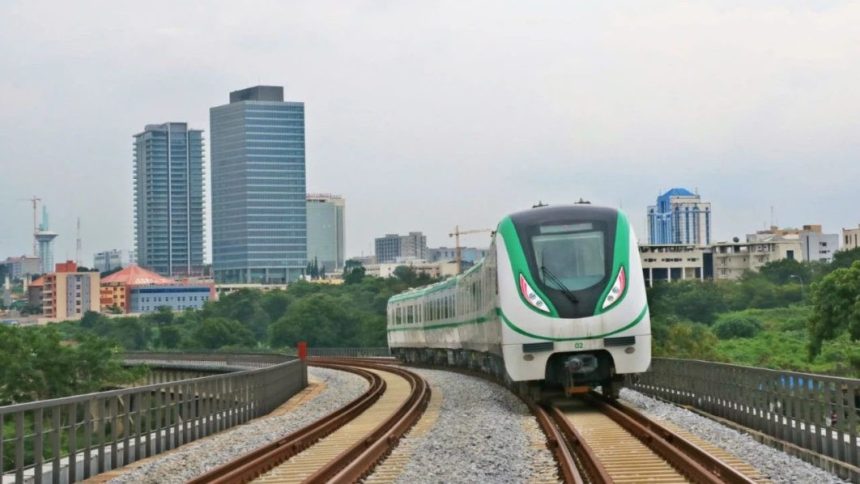
- The Nigerian Railway Corporation (NRC) is actively deliberating an upward review of both passenger tickets and cargo freight rates across its major corridors.
- Insider reports indicate that the corporation expended more than ₦1.2 billion on diesel fuel alone in April 2026, creating an unsustainable fiscal imbalance.
- The planned price review follows immediately after the expiration of the federal government’s temporary 50% Eid-el-Kabir train ticket subsidy.
The Nigerian Railway Corporation (NRC) is currently finalizing plans to adjust its fare architectures upwards to counter a massive surge in internal operational expenses.
Eko Hot Blog reports that reliable management sources confirmed that the state-backed transport provider is facing severe strain across its primary financial accounts due to escalating costs linked to rolling stock maintenance, infrastructure protection, personnel management, and global inflation.
EDITOR’S PICK
- Fresh Details Emerge on Death of Odomola Monarch, Oba Adebowale Adeshina
- Sanwo-Olu Applauds LASU’s Academic Excellence After JAMB Ranking
- NRC Moves 176,820 Tonnes Of Cargo Through Lagos Ports In Q1
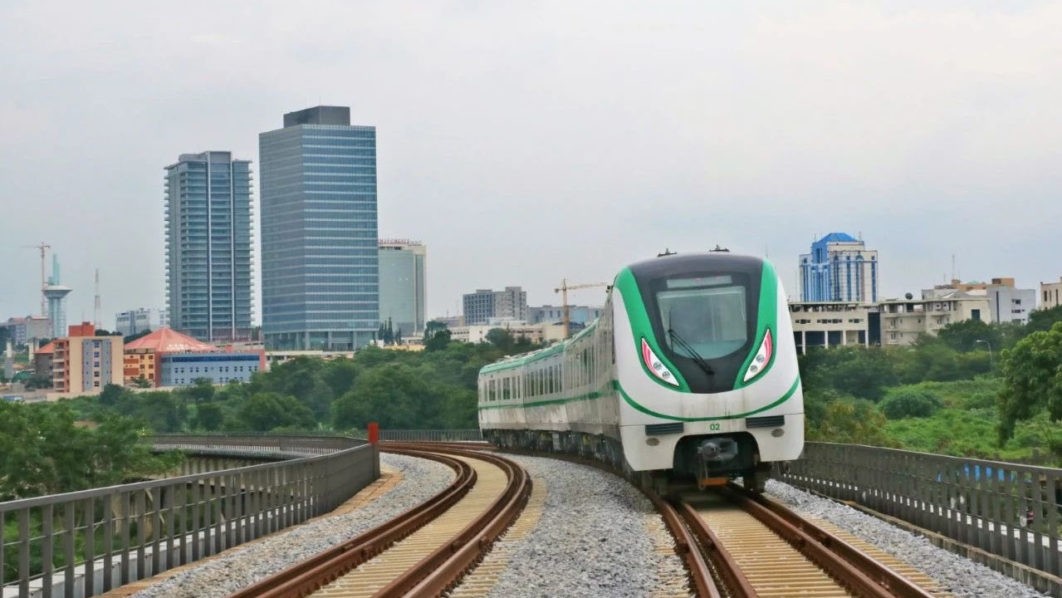
The impending review threatens to alter pricing dynamics across the three dominant standard gauge rail lines, the Abuja-Kaduna, Lagos-Ibadan, and Warri-Itakpe lines, alongside regional narrow gauge metropolitan mass transits connecting cities like Port Harcourt, Aba, Iddo, and Kajola.
According to insider testimony, the continuous price escalation of Automotive Gas Oil (diesel) remains the single largest threat to the railway network’s fiscal viability, with fuel procurement costs alone swallowing over ₦1.2 billion during the month of April 2026.
Beyond the crippling energy bills, the corporation’s finances are further stretched by the rising market prices of imported mechanical spare parts, which are heavily dependent on unpredictable foreign exchange rates.
Senior officials speaking anonymously warned that the federal agency has been left with two harsh paths: adjust baseline travel rates to mirror macro-economic realities or dramatically scale down commuter operations along high-demand commercial pathways.
This situation has been worsened by recurring criminal attacks and the vandalism of critical track infrastructure, forcing the corporation to divert crucial funds away from expansion plans into emergency asset repair and heightened security logistics, especially along the volatile Abuja-Kaduna axis.
Reacting to the development, the Managing Director of the NRC, Dr. Kayode Opeifa, acknowledged the immense financial pressure but quickly reassured travelers that the regulatory body is working hard to minimize the impact on the public.
He noted that the executive leadership remains committed to protecting the general interest and will explore hidden avenues to ensure structural sustainability without shutting out lower-income commuters.
Dr. Opeifa concluded by stating that the corporation plans to remain fully aligned with President Bola Tinubu’s Renewed Hope Agenda, promising that rail transportation across Nigeria will remain fundamentally accessible, safe, and efficient despite current economic setbacks.