- Lagos Residents Kick Against Solar Approval Fees, Demand Policy Reversal
- Says Government Cannot Sell God’s Energy
- Residents Fear Permit Policy Could Extend Beyond Government Estates
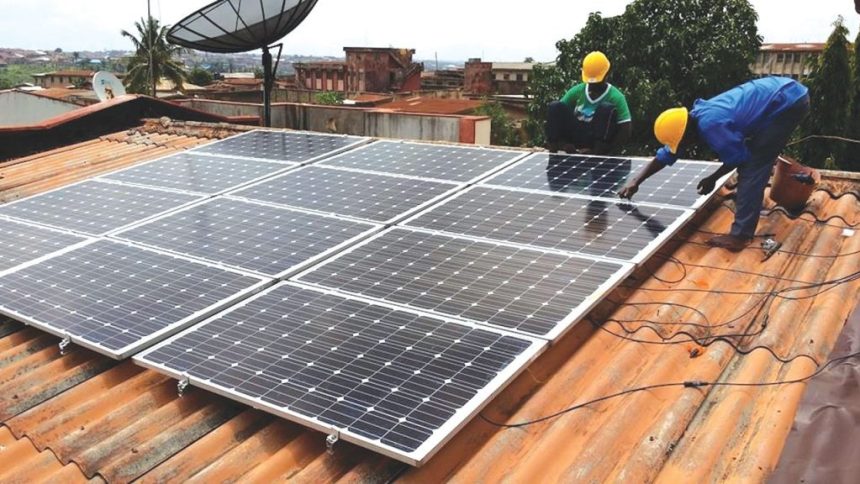
A controversy surrounding solar panel installation regulations in Lagos State has continued to generate public outrage despite the state government’s clarification that approval permits and administrative fees apply only to residents of government-owned social housing estates.
Eko Hot Blog reports that the debate was triggered by a viral video showing officials of the Lagos State Ministry of Housing confronting a resident over the installation of solar panels on his home.
EDITOR’S PICK
- Hamzat Appoints Obanikoro as Campaign DG Ahead of 2027 Lagos Governorship Race
- Tinubu’s State Police Plan Gains Momentum as Amendment Looms
- Residents Raise Alarm After Two Bodies Found in Lagos Waterway
In the footage, officials from the ministry’s Monitoring and Compliance Unit were seen demanding evidence of approval and payment of administrative fees before the installation could proceed.
The incident sparked widespread criticism on social media, with many residents accusing the government of attempting to impose additional financial burdens on citizens already struggling with unreliable electricity supply and rising living costs.
In response to the backlash, the Senior Special Assistant on Media to Governor Babajide Sanwo-Olu, Wale Ajetunmobi, clarified that the policy does not affect private homeowners or tenants across Lagos State.
According to him, the approval process and administrative charges are applicable only within government-owned social housing estates where the state serves as the facility manager.
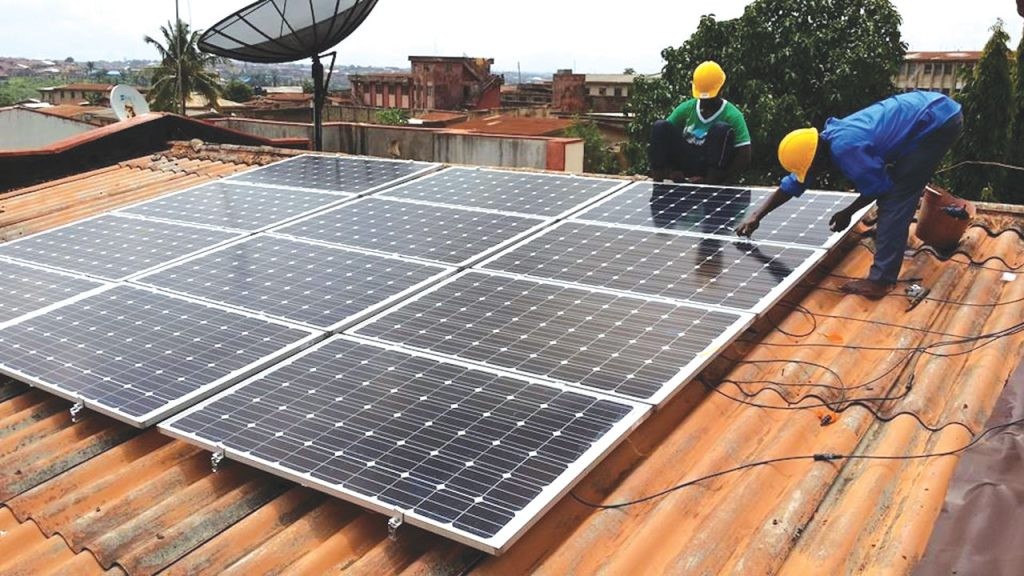
Ajetunmobi explained that solar installations are classified as structural alterations, particularly when they affect shared spaces, rooftops or the original design of buildings, making regulatory approval necessary.
“Only residents living in government-owned social housing estates are charged administrative fees for alterations, such as the installation of a solar power system, before any additional development can be permitted,” he stated.
He added that such alterations must pass through the Physical Planning and Survey Departments of the Ministry of Housing for approval, compliance checks and post-installation inspections.
According to him, the individual featured in the viral video is believed to be a tenant in one of the government-owned estates and may have misunderstood the conditions outlined in the indemnity agreement signed before occupation.
The government also noted that previous cases involving roof damage, fire outbreaks and other liabilities arising from unapproved structural modifications informed the policy.
Despite the clarification, public opposition to the regulation has intensified, with many Lagos residents arguing that the policy reflects a broader pattern of excessive taxation and government interference in citizens’ efforts to provide basic necessities for themselves.
Several residents questioned why people who already provide their own electricity, water and security should be required to seek approval or pay fees before installing renewable energy systems powered by sunlight.
A businessman residing in Amuwo Odofin, Anthony Osewele, described the policy as unjust and unnecessary.
“The government has no right to sell God’s energy. We are talking about solar energy generated from sunlight, which is a free gift to humanity. It is wrong for any government to contemplate collecting money from citizens for using sunlight,” he said.
Osewele argued that governments in more developed countries encourage renewable energy adoption through incentives and subsidies rather than additional charges.
Also reacting, legal practitioner Marcellus Onah maintained that most residents embrace solar energy out of necessity rather than luxury due to the country’s persistent electricity challenges.
“People are buying solar because the government has failed to provide stable electricity, which is one of its primary responsibilities. Citizens already provide water, electricity and even road infrastructure for themselves. Adding more charges is unacceptable,” he said.
An estate consultant, Rowland Adebayo, also criticised what he described as the growing burden of taxes and levies imposed on residents.
“They have introduced parking fees, tenement rates and other levies. I do not mind paying taxes if services are being delivered. But asking people to pay because they want to install solar energy is unacceptable,” he stated.
Although the Lagos State Government insists that the regulation is limited to its social housing estates, concerns remain among residents who fear the policy could eventually be extended to private estates and homeowners across the state.
The debate has since evolved beyond solar energy, becoming a wider conversation about governance, public service delivery, taxation and the growing cost of survival in Nigeria’s commercial capital.