- the monetisation of the electoral process weakens governance because it distorts political leadership selection
- He stressed that leaders who invest huge sums to secure political office are more likely to prioritise personal gain over public service
- He reaffirmed the commission’s commitment to fighting electoral corruption
The Chairman of the Economic and Financial Crimes Commission (EFCC), Ola Olukoyede, has revealed that some political aspirants in Nigeria allegedly spend between N20 billion and N30 billion to win governorship elections.
Eko Hot Blog reports that he raised the concern on Wednesday in Ilorin, Kwara State, while speaking at the inaugural high-level guest lecture organised by the Centre for Peace and Strategic Studies, University of Ilorin, themed “De-risking and Mobilising Critical Stakeholders for Peaceful and Credible 2027 Elections in Nigeria.”
EDITOR’S PICK
- Akpabio Dismisses Reports of Promising APC Tickets to Defeated Senators
- Court Discharges Baba Adinni of Lagos, Upholds No-Case Submission
- “Verify Information Before Spreading It” — Alara Warns on Security
Olukoyede warned that the rising cost of elections poses a major risk to democracy, noting that such excessive spending often pushes elected officials to engage in corrupt practices in order to recover money spent during campaigns.
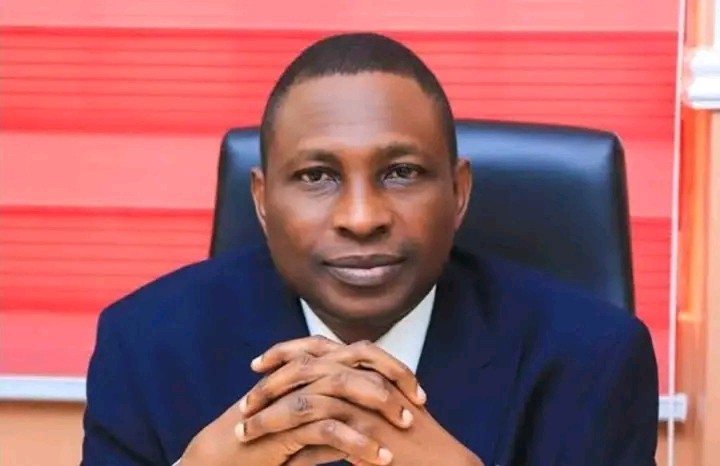
According to him, the monetisation of the electoral process weakens governance because it distorts political leadership selection and encourages self-serving leadership after elections.
He stressed that leaders who invest huge sums to secure political office are more likely to prioritise personal gain over public service once elected.
The EFCC boss also disclosed that the agency has recorded several arrests and convictions related to vote-buying and other electoral offences, involving politicians, electoral officials, and collaborators.
He reaffirmed the commission’s commitment to fighting electoral corruption, adding that no individual would be shielded from prosecution regardless of status.
Olukoyede further revealed plans by the EFCC to deploy drones and other advanced technological tools to monitor elections ahead of the 2027 general elections, particularly to curb vote-buying at polling units.
He urged political actors to focus on issue-based campaigns and avoid inflammatory statements that could trigger violence during elections
The EFCC chairman also called for stronger cooperation among stakeholders, including the Independent National Electoral Commission (INEC), security agencies, civil society organisations, the media, and political parties to ensure peaceful and credible polls.
Earlier, the Vice-Chancellor of the University of Ilorin, Professor Wahab Egbewole (SAN), described electoral malpractice as a serious threat to national security and democratic progress, stressing the importance of credible elections to stability and development.
The Director of the Centre for Peace and Strategic Studies, Professor G.A. Animasawun, said the lecture series was designed to encourage proactive dialogue on electoral risks ahead of the 2027 elections, bringing together key stakeholders to develop practical solutions.
The event was attended by representatives of security agencies, electoral bodies, civil society groups, academics, and students.
FURTHER READING