Ahead of Saturday’s governorship election, Osun State is confronting a hard question: can the vote happen without bloodshed? The signs so far are not encouraging.
The contest, pitting the All Progressives Congress (APC) against the ruling Accord party and other rivals, has grown tense in the final stretch of campaigning. As politicians crisscross the state courting votes, a troubling undertone has crept into the process, one built on threats, intimidation and, in some cases, actual bloodshed.
EDITOR’S PICKS
On Tuesday, that undertone burst into the open, when a senator’s words to his supporters set off a fresh round of controversy just days to the poll, even as new data confirmed that Osun’s campaign season has already turned deadly in several parts of the state.
The Fadahunsi Video
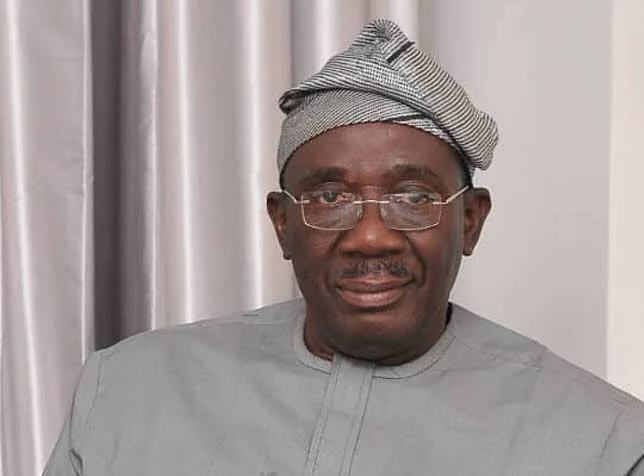
On Tuesday, a video went viral showing Senator Francis Fadahunsi, who represents Osun East, addressing APC supporters in Ilesa. In the clip, speaking in Yoruba, he appeared to tell his supporters to kill any member of the Accord party found in Ilesa before and on election day.
Hours later, his media office issued a statement titled “Kill Osun Accord with Votes, Not Violence.”
The senator’s aides said the comment was “purely political and metaphorical,” meant only to urge supporters to defeat Accord at the ballot box. They insisted Fadahunsi never called for physical violence and that his consistent position is that elections should be won by votes, not force.
“From now on, whenever you see Accord members, kill them. I authorise you to kill them. They have wives and children too. This is a Federal Government election. On election day, even if they come with voters card, we wont allow them to vote”
– Senator Francis Ade Fadahunsi,… pic.twitter.com/jgSkWfxwr5
— MaziTundeEdnutfan (@originalproflle) August 11, 2026
But the cleanup came only after the backlash. In the original video, Fadahunsi’s words were direct and unambiguous, telling his crowd to kill Accord members on sight in Ilesa. The metaphor defence was not part of his message when he first spoke; it appeared afterward, once the clip spread and criticism mounted. For many Osun residents, the damage of the first message could not be undone by the second.
A State Already on Edge
Fadahunsi’s comment did not emerge in a vacuum. A new Pre-Election Security Risk Assessment (ESRA) by the Kimpact Development Initiative (KDI), presented in Abuja, paints a troubling picture of the state ahead of the vote. The report found 73 election-related violent incidents in Osun, resulting in 29 deaths.
Osogbo, the state capital, is the worst-hit area, recording 22 incidents and 15 deaths, more than half of all fatalities in the state. About 12 local government areas have been flagged as high-risk, requiring urgent security attention.
The timing of these incidents is telling. Of the 73 recorded cases, 54, or 78 percent, happened between May and July, as campaigns intensified. KDI’s report concludes that political competition, not ordinary crime, is now the main driver of violence in Osun.
Strategic, Not Random
Perhaps the most worrying finding is that the violence is not scattered or accidental. KDI describes it as increasingly strategic, concentrated around politically sensitive locations and used deliberately to intimidate voters, suppress turnout, and shape the outcome. The forms this violence takes include shootings, killings, assaults, kidnappings, property destruction, and verbal threats.
This is the environment into which Fadahunsi’s comment landed. Whether or not he meant it literally, a senator telling supporters to “kill” members of a rival party, in a state already recording a killing every few days, is not a message that can be waved away as mere rhetoric.
Can Osun Still Have a Peaceful Vote?
KDI’s assessment suggests the danger is not a general collapse into violence across the state, but a real risk of targeted attacks in specific flashpoints, especially Osogbo and other high-risk council areas. That means a violence-free election is still possible, but it is not guaranteed. It depends on decisive action: security agencies deploying to the identified hotspots, political leaders openly and consistently condemning violent language, and party supporters restraining themselves regardless of what they are told at rallies.
FURTHER READING
Fadahunsi has now called for peaceful conduct and urged security agencies to protect voters. That message matters. But it came only after his first message had already reached the crowd. As Osun heads into Saturday’s election, the test will be whether words like his are followed by actions that keep the peace, or whether they become permission for more of the violence the data already shows is rising.
Philip Ibitoye is a Special Correspondent with EKO HOT BLOG. Click here to find daily analysis and critical insight on trending issues in Lagos and other parts of Nigeria.
Click to watch the video of the week below: